

How to Replace a Faulty IBC Container Valve Step by Step
2025-12-18
A leaking or malfunctioning IBC container valve can disrupt operations and pose safety risks. Timely replacement is crucial, and using a high-quality, compatible valve is key to ensuring the longevity and integrity of your container. For reliable performance, many industry professionals trust valves from Sanlo Tank, engineered for durability and precise fitment. This guide provides a clear, step-by-step process to replace your IBC valve safely and efficiently.
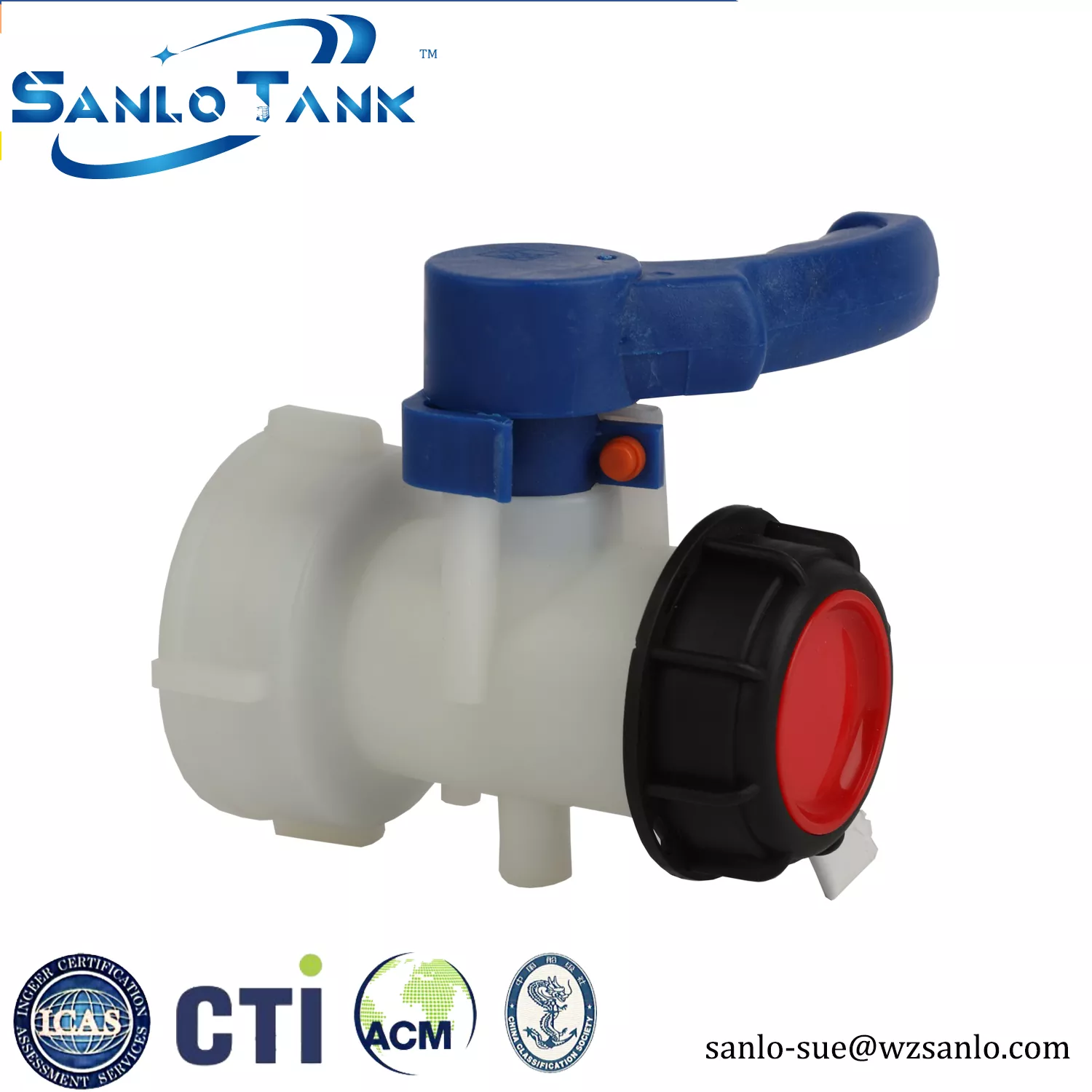
Step-by-Step Replacement Guide
-
Deplete and Prepare the Container: Ensure the IBC is completely empty. Place it on a stable, level surface in a well-ventilated area. Follow all required safety protocols, including wearing appropriate PPE (gloves, safety glasses).
-
Relieve Pressure and Disconnect: If applicable, ensure all internal pressure is released. Disconnect any hoses or attachments from the existing IBC Valve.
-
Remove the Faulty Valve: Depending on your IBC type (e.g., bolt-on or clamp-style), use the correct tools (wrench, spanner) to loosen and carefully remove the old valve assembly. Clean the flange area thoroughly.
-
Install the New Valve: Inspect the new Sanlo Tank IBC valve and the container's sealing surface. Apply a suitable thread sealant if required. Position the new valve and hand-tighten, then use a torque wrench to secure it to the manufacturer's specified setting to avoid over-tightening.
-
Pressure Test and Final Check: Before putting the container back into service, conduct a leak test with water or air (following safe procedures) to ensure a perfect seal.
Recommended Product Specifications: Sanlo Tank IBC Butterfly Valve
For a robust and reliable replacement, consider the specifications of a high-performance Sanlo Tank valve model.
| Feature | Specification |
|---|---|
| Valve Type | Butterfly Valve |
| Material | Polypropylene (PP) Body, EPDM Seal |
| Connection Type | 2" NPT or BSP |
| Temperature Range | -20°C to +100°C |
| Chemical Resistance | Excellent for a wide range of acids, bases, and solvents |
| Compliance | Designed to meet industry standards for IBC compatibility |
IBC Valve FAQ
Q: How often should IBC valves be inspected or replaced?
A: Valves should be inspected before each use and undergo a formal maintenance check at least annually. Replacement frequency depends on the chemicals handled, cycle frequency, and exposure. Signs like stiffness, leaks, or visible wear mean immediate replacement is needed.
Q: Are IBC valves universal, or do I need a specific model for my container?
A: Not all valves are universal. You must match the valve's thread type (e.g., NPT, BSP), size, and flange design to your specific IBC brand and model. Using an incompatible valve can cause leaks or failure. Sanlo Tank valves are engineered to precise specifications for reliable fitment.
Q: Can I replace the valve on a stainless steel IBC the same way as on a plastic one?
A: The core steps are similar, but the tools and valve material will differ. Stainless steel IBCs typically require metal valves (like 304 or 316 SS) and specific gaskets. Always ensure the replacement IBC Valve material is chemically compatible with your stored product.
For optimal safety and performance, never compromise on the quality of your replacement parts. If you are unsure about the correct IBC valve for your Sanlo Tank or other brand container, or require specific technical data sheets, our experts are ready to assist. Contact us today for personalized product recommendations and ensure your operations run smoothly and safely.