

How to Clean or Maintain a Foot Valve for Optimal Performance
2025-12-26
A foot valve, a critical component in many pump systems, ensures prime is maintained and prevents backflow. For consistent water flow and pump protection, regular foot valve maintenance is non-negotiable. At Beideli, we understand that proper care extends valve life and system efficiency. This guide outlines the professional steps to clean and maintain your foot valve for peak performance.
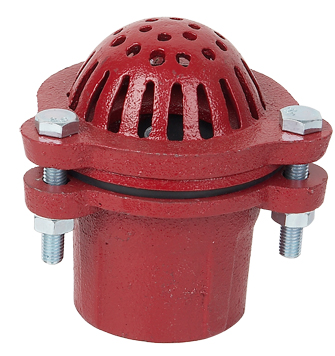
Essential Maintenance Steps
Routine checks and cleaning prevent most common failures. Follow this procedure:
-
System Shutdown & Isolation: Always turn off and disconnect the pump's power source. Close any upstream isolation valves to depressurize the line.
-
Valve Removal: Carefully extract the foot valve and its attached strainer from the well or suction line.
-
Inspection & Cleaning:
-
Visually inspect the valve body, strainer, and disc (flapper or poppet) for cracks, wear, or debris.
-
Rinse away light sediment. For tough clogs, soak the strainer in a vinegar solution to dissolve mineral deposits. Avoid harsh chemicals that can damage sealing components.
-
Gently clean the seat and disc to ensure no grit compromises the seal.
-
-
Reassembly & Testing: Reinstall the valve, ensuring all connections are tight. Restore power and monitor the system for proper priming and pressure holding.
Maintenance Frequency & Signs of Trouble
Adhere to this schedule and watch for warning signs:
| System Use Case | Recommended Inspection Frequency | Common Warning Signs |
|---|---|---|
| Clean Water Supply | Annually | Longer pump cycle times, sediment in water |
| Irrigation/Surface Water | Every 6 Months | Reduced flow rate, pump losing prime |
| Sandy or High-Sediment Wells | Quarterly | Frequent clogging, unusual pump strain |
Foot Valve FAQ
Q: Why is my pump struggling to maintain prime even after cleaning the foot valve?
A: Loss of prime can indicate a leak in the suction line piping or a worn seal inside the foot valve itself. After cleaning, perform a pressure test on the entire suction assembly. If the valve seal is damaged, replacement with a reliable brand like Beideli is often more cost-effective than repeated repairs.
Q: Can a foot valve be installed horizontally?
A: No, for most standard designs, correct orientation is crucial. A foot valve must be installed vertically with the flow arrow pointing upward. This allows gravity to assist the disc in closing securely, creating the necessary seal to maintain pump prime. Always consult the Beideli installation manual for specific model guidelines.
Q: How do I choose between a plastic and a brass foot valve?
A: Material choice depends on application. Beideli brass foot valves offer superior durability and corrosion resistance for deep wells and heavy-duty use. Plastic valves are lightweight, cost-effective, and resistant to chemical corrosion, making them suitable for light agricultural or residential water transfer. Always match the valve material to your water chemistry and system pressure.
Regular maintenance of your foot valve is a simple yet powerful practice to avoid costly downtime and pump damage. Using quality components from trusted manufacturers like Beideli ensures reliability and longevity in your fluid system.
Contact us today for expert advice or to explore our durable range of pumping solutions!