

How to Choose the Right Soft Seal Butterfly Valve for Reliable Flow Control?
2026-06-04
Soft seal butterfly valves are among the most widely used flow control devices in modern industrial systems. From water treatment facilities and HVAC networks to chemical processing plants and municipal infrastructure, these valves offer excellent sealing performance, lightweight construction, and cost-effective operation.
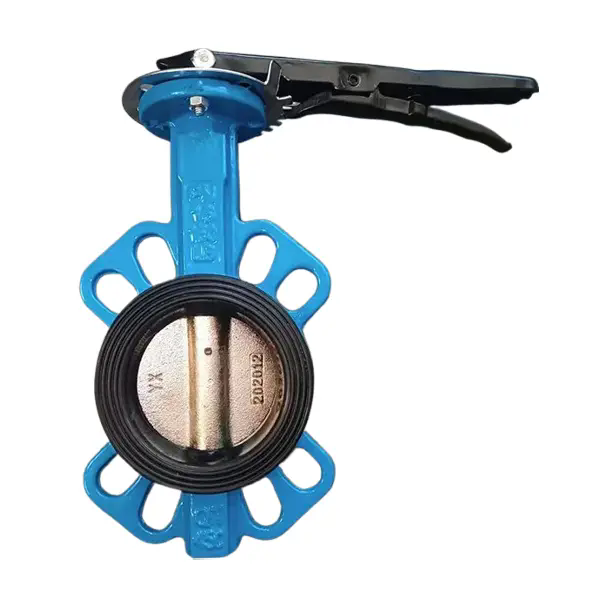
However, selecting the wrong valve can result in leakage, premature wear, increased maintenance costs, and unexpected downtime. This comprehensive guide explains how soft seal butterfly valves work, their advantages, selection criteria, common applications, and maintenance best practices to help buyers make informed decisions.
Table of Contents
- What Is a Soft Seal Butterfly Valve?
- How Does a Soft Seal Butterfly Valve Work?
- Key Advantages of Soft Seal Butterfly Valves
- Common Industrial Applications
- How to Choose the Right Soft Seal Butterfly Valve
- Material Selection Guide
- Soft Seal vs Hard Seal Butterfly Valves
- Maintenance and Troubleshooting Tips
- Common Purchasing Mistakes to Avoid
- FAQ
- Conclusion
What Is a Soft Seal Butterfly Valve?
A soft seal butterfly valve is a quarter-turn valve that uses an elastic sealing material, such as EPDM, NBR, or PTFE, to create a tight seal between the valve disc and seat. The valve controls fluid flow by rotating a disc inside the pipeline.
Unlike metal-seated valves, soft seal butterfly valves rely on resilient seat materials to achieve bubble-tight shutoff under normal operating conditions. Their compact design and excellent sealing capability make them a preferred solution for low- and medium-pressure applications.
Typical components include:
- Valve body
- Valve disc
- Stem or shaft
- Resilient seat
- Actuator or handle
How Does a Soft Seal Butterfly Valve Work?
The operating principle is straightforward. When the handle or actuator rotates the stem by 90 degrees, the disc turns inside the valve body.
- Fully open position: Disc is parallel to the flow direction.
- Partially open position: Disc regulates flow rate.
- Fully closed position: Disc compresses against the resilient seat to create a seal.
Because only a quarter-turn is required for operation, butterfly valves provide fast opening and closing capabilities while minimizing operational effort.
Key Advantages of Soft Seal Butterfly Valves
Many engineers and procurement specialists choose soft seal butterfly valves because they deliver an excellent balance between performance and affordability.
| Advantage | Benefit |
|---|---|
| Excellent Sealing | Provides reliable leak-free shutoff. |
| Lightweight Design | Easier installation and lower transportation costs. |
| Compact Structure | Requires less installation space. |
| Low Torque Operation | Reduces actuator requirements. |
| Cost Effective | Lower acquisition and maintenance expenses. |
| Quick Operation | 90-degree rotation enables fast flow control. |
These advantages make soft seal butterfly valves highly attractive for large-scale piping systems where efficiency and reliability are critical.
Common Industrial Applications
Soft seal butterfly valves are suitable for a wide variety of industries and fluid handling systems.
- Municipal water supply systems
- Wastewater treatment plants
- HVAC systems
- Cooling water circulation systems
- Chemical processing facilities
- Food and beverage production
- Paper manufacturing plants
- Fire protection networks
- Power generation facilities
- Irrigation systems
Their versatility allows them to handle water, air, mild chemicals, and many non-corrosive media effectively.
How to Choose the Right Soft Seal Butterfly Valve
Choosing the correct valve involves evaluating several technical factors beyond simply matching pipe size.
| Selection Factor | Considerations |
|---|---|
| Fluid Type | Water, air, slurry, chemicals, or gases. |
| Temperature | Must be compatible with seat material limits. |
| Pressure Rating | Ensure valve rating exceeds system pressure. |
| Valve Size | Match pipeline diameter and flow requirements. |
| Operation Method | Manual, pneumatic, electric, or hydraulic. |
| Corrosion Resistance | Select appropriate body and disc materials. |
Buyers should also evaluate installation conditions, maintenance accessibility, and long-term operating costs before making a purchasing decision.
Material Selection Guide
Material compatibility plays a major role in valve longevity and system reliability.
| Component | Common Materials | Typical Applications |
|---|---|---|
| Valve Body | Cast Iron, Ductile Iron, Stainless Steel | Water, HVAC, Industrial Systems |
| Disc | Stainless Steel, Nickel-Plated Ductile Iron | Corrosive and Non-Corrosive Media |
| Seat | EPDM, NBR, PTFE | Different Temperature and Chemical Conditions |
| Stem | Stainless Steel | High Strength and Corrosion Resistance |
Selecting appropriate materials can significantly extend service life while reducing maintenance requirements.
Soft Seal vs Hard Seal Butterfly Valves
| Feature | Soft Seal Butterfly Valve | Hard Seal Butterfly Valve |
|---|---|---|
| Sealing Performance | Excellent | Good |
| Temperature Resistance | Moderate | High |
| Cost | Lower | Higher |
| Maintenance | Simple | More Complex |
| Application Range | Water and General Industry | High Temperature and Severe Service |
For most water treatment, HVAC, and municipal applications, soft seal butterfly valves provide the most economical and practical solution.
Maintenance and Troubleshooting Tips
Proper maintenance helps maximize valve performance and lifespan.
- Inspect sealing surfaces regularly.
- Check for seat wear or deformation.
- Monitor stem and shaft alignment.
- Remove debris that may affect sealing.
- Verify actuator performance periodically.
- Replace damaged seals promptly.
Routine inspections can prevent unexpected failures and reduce system downtime.
Common Purchasing Mistakes to Avoid
Many buyers focus solely on initial cost and overlook critical technical considerations.
- Ignoring chemical compatibility.
- Selecting incorrect pressure ratings.
- Using unsuitable seat materials.
- Choosing valve sizes based only on pipe diameter.
- Overlooking future maintenance requirements.
- Purchasing from suppliers without proven manufacturing experience.
Avoiding these mistakes can improve operational reliability and reduce long-term expenses.
FAQ
Q1: What is the main advantage of a soft seal butterfly valve?
Its resilient seat provides excellent sealing performance with minimal leakage.
Q2: Can soft seal butterfly valves handle chemical media?
Yes. Proper seat and disc materials must be selected according to the chemical properties of the medium.
Q3: What seat materials are commonly used?
EPDM, NBR, and PTFE are among the most frequently used sealing materials.
Q4: How long does a soft seal butterfly valve typically last?
Service life depends on operating conditions, maintenance practices, and material selection, but quality valves can provide many years of reliable operation.
Q5: Are soft seal butterfly valves suitable for high-temperature applications?
They are generally designed for low- to medium-temperature conditions. High-temperature environments may require hard seal butterfly valves.
Conclusion
Soft seal butterfly valves remain one of the most efficient and economical flow control solutions available today. Their excellent sealing capability, lightweight construction, simple operation, and broad application range make them an ideal choice for water treatment, HVAC systems, industrial pipelines, and municipal infrastructure.
By carefully evaluating operating conditions, media characteristics, pressure requirements, and material compatibility, buyers can select a valve that delivers long-term reliability and performance.
As a professional valve manufacturer, Tanggu Shengshi Huagong is committed to providing high-quality soft seal butterfly valves engineered for durability, efficiency, and dependable operation. Whether you need standard solutions or customized valve configurations for demanding applications, our experienced team is ready to assist. Contact us today to discuss your project requirements and discover how the right valve solution can improve your system performance and reduce operating costs.