

How to Choose the Right Ball Valve for Industrial and Commercial Applications?
2026-02-05
Article Abstract
Ball valves play a critical role in fluid control systems across industries such as oil and gas, water treatment, chemical processing, HVAC, and manufacturing. Selecting the wrong ball valve can lead to leakage, pressure loss, frequent maintenance, or even system failure. This in-depth guide explains how ball valves work, explores their main types, materials, and performance characteristics, and outlines practical selection criteria based on real-world operating conditions. By understanding these factors, buyers and engineers can make informed decisions that improve safety, efficiency, and long-term cost control.
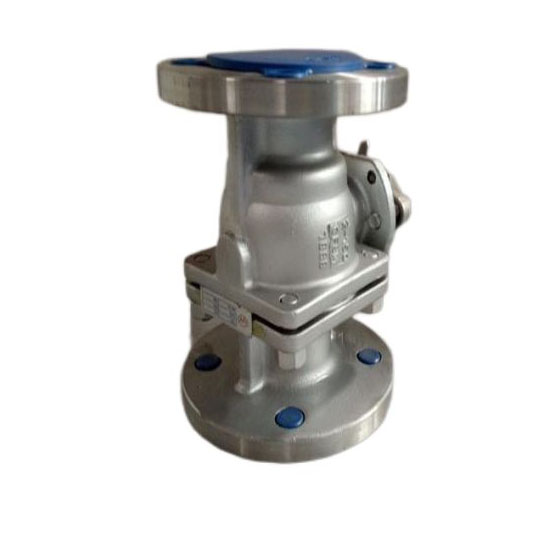
Table of Contents
- Content Overview
- What Is a Ball Valve?
- How Ball Valves Work
- Common Types of Ball Valves
- Materials and Structural Design
- Key Factors When Choosing a Ball Valve
- Ball Valve Selection Table
- Typical Application Scenarios
- Frequently Asked Questions
- Conclusion and Contact
Content Overview
This article provides a structured approach to understanding ball valves, from basic principles to advanced selection considerations. It focuses on solving common customer pain points such as leakage risks, material incompatibility, short service life, and improper sizing. Clear explanations, practical tables, and industry-focused insights are included to support purchasing and engineering decisions.
What Is a Ball Valve?
A ball valve is a quarter-turn shut-off valve that uses a hollow, perforated, and pivoting ball to control fluid flow. When the hole in the ball aligns with the pipeline, flow is allowed. When rotated 90 degrees, the ball blocks the passage, stopping the flow completely.
Ball valves are widely favored for their tight sealing performance, simple operation, and fast opening and closing action. Compared with gate or globe valves, they provide lower flow resistance and reduced pressure drop, making them suitable for both on-off control and certain throttling applications.
How Ball Valves Work
The operating mechanism of a ball valve is straightforward. A handle, gearbox, or actuator rotates the valve stem, which in turn rotates the ball inside the valve body. The sealing is achieved by valve seats that press against the surface of the ball.
This design ensures minimal contact area during operation, reducing wear and extending service life. Because of the quarter-turn operation, ball valves are ideal for systems that require frequent and rapid shut-off.
Common Types of Ball Valves
Ball valves can be classified in several ways depending on structure, port design, and installation method. Understanding these differences helps match the valve to the intended application.
- Floating Ball Valve: The ball is supported by the valve seats and moves slightly under pressure to enhance sealing.
- Trunnion Mounted Ball Valve: The ball is fixed by trunnions, reducing seat load and making it suitable for high-pressure pipelines.
- Full Port Ball Valve: The internal bore matches the pipeline diameter, minimizing pressure loss.
- Reduced Port Ball Valve: The bore is smaller than the pipe diameter, offering cost and size advantages.
- V-Port Ball Valve: Designed for better flow control and limited throttling applications.
Materials and Structural Design
Material selection directly impacts valve durability, chemical compatibility, and temperature resistance. The valve body, ball, stem, and seats must all be considered as part of a complete system.
- Stainless Steel: Suitable for corrosive media, food processing, and chemical industries.
- Carbon Steel: Commonly used in oil, gas, and high-pressure applications.
- Brass: Often used in water, HVAC, and low-pressure systems.
- PTFE Seats: Provide excellent sealing and chemical resistance.
- Metal Seats: Designed for high-temperature or abrasive conditions.
Key Factors When Choosing a Ball Valve
Selecting the right ball valve requires careful evaluation of operating conditions rather than relying on price alone. The following factors should always be assessed:
- Working pressure and temperature range
- Type of fluid or gas and its chemical properties
- Required flow rate and port size
- Frequency of operation
- Manual or automated control requirements
- Installation standards and connection type
Ignoring any of these factors can lead to premature failure, leakage, or unnecessary maintenance costs. Manufacturers like FYL design ball valves with optimized sealing structures and strict quality control to meet diverse industrial requirements.
Ball Valve Selection Table
| Application Condition | Recommended Ball Valve Type | Key Benefit |
|---|---|---|
| High-pressure pipelines | Trunnion mounted ball valve | Reduced operating torque |
| Corrosive chemical media | Stainless steel ball valve | Enhanced corrosion resistance |
| Water supply systems | Full port brass ball valve | Low pressure loss |
| High-temperature service | Metal-seated ball valve | Stable sealing at high heat |
Typical Application Scenarios
Ball valves are used across a wide range of industries due to their adaptability and reliability. Common applications include:
- Oil and gas transmission pipelines
- Industrial water and wastewater treatment
- Chemical processing plants
- Power generation facilities
- Food and beverage production lines
In these environments, consistent sealing performance and operational safety are essential. Choosing a well-engineered ball valve helps maintain stable system performance over extended service cycles.
Frequently Asked Questions
What makes a ball valve better than other valve types?
Ball valves offer fast operation, tight sealing, and lower pressure drop compared with many traditional valve designs.
Can ball valves be used for throttling?
Standard ball valves are primarily designed for on-off service, but V-port designs can handle limited flow control applications.
How long does a ball valve typically last?
Service life depends on operating conditions, materials, and maintenance, but high-quality ball valves can operate reliably for many years.
Conclusion and Contact
Understanding how to choose the right ball valve is essential for ensuring system safety, efficiency, and long-term reliability. By evaluating valve type, material, pressure rating, and application requirements, buyers can significantly reduce operational risks and lifecycle costs.
FYL specializes in manufacturing and supplying high-performance ball valves designed to meet diverse industrial demands with consistent quality and dependable service. For detailed specifications, technical support, or customized solutions, contact us today to discuss how the right ball valve can improve your fluid control system.