

How to Choose and Use Butterfly Valves Effectively?
2025-12-26
Abstract: Butterfly valves are widely used in industrial fluid control systems due to their compact design, quick operation, and adaptability to a variety of applications. This guide provides an in-depth overview of butterfly valves, including their types, technical specifications, installation guidelines, maintenance practices, and answers to common user questions. The article aims to help engineers, procurement specialists, and industrial operators make informed decisions on selecting and operating butterfly valves efficiently.
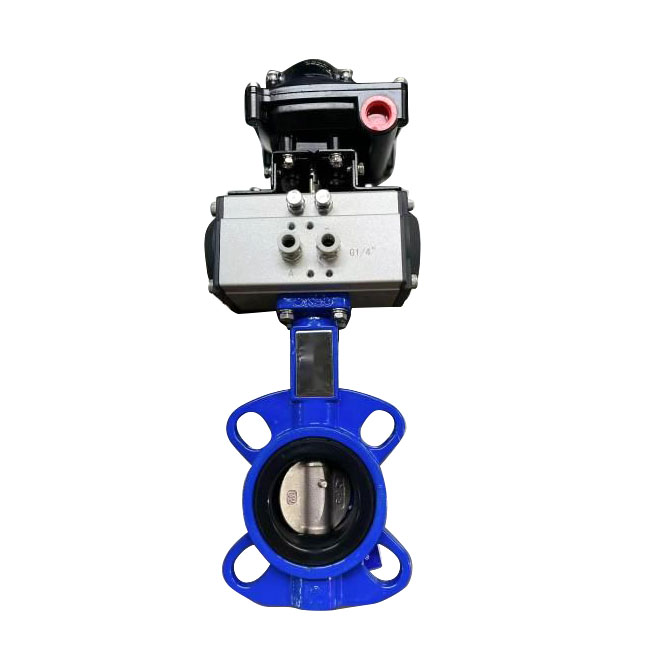
Table of Contents
- Introduction to Butterfly Valves
- Types of Butterfly Valves
- Technical Specifications
- How to Install Butterfly Valves?
- Maintenance and Troubleshooting
- Common Questions About Butterfly Valves
- Conclusion & Contact
Introduction to Butterfly Valves
Butterfly valves are quarter-turn valves used to regulate fluid flow in pipelines. They are characterized by a rotating disc that can be turned parallel or perpendicular to the flow. Their compact structure, lightweight design, and ease of operation make them ideal for water supply, chemical processing, HVAC systems, and various industrial applications. This article explores critical aspects of butterfly valves, helping professionals make informed decisions for procurement, installation, and maintenance.
Types of Butterfly Valves
Butterfly valves can be categorized based on body design, disc type, and sealing mechanism. Common types include:
- Wafer Type: Installed between pipe flanges and relies on flange bolts for alignment.
- Lug Type: Threaded lugs allow independent removal from one side of the pipeline.
- Double Flanged Type: Flanged on both ends for heavy-duty applications and high-pressure systems.
- Triple Offset Type: Specialized valves with precise sealing and high durability for demanding industrial processes.
Technical Specifications of Butterfly Valves
Understanding butterfly valve specifications ensures proper selection for each application. Below is a professional overview:
| Parameter | Description |
|---|---|
| Size Range | DN50 - DN2000 (2" - 80") |
| Pressure Rating | PN10 - PN40 / Class 150 - Class 300 |
| Body Materials | Cast Iron, Ductile Iron, Stainless Steel, Carbon Steel |
| Disc Materials | Stainless Steel, Aluminum Bronze, Nickel Alloy |
| Seat Materials | EPDM, PTFE, NBR, Viton |
| Actuation | Manual (Lever/Gear), Pneumatic, Electric |
| Temperature Range | -40°C to 200°C (dependent on seat material) |
How to Install Butterfly Valves?
Proper installation is crucial to ensure optimal performance and longevity of butterfly valves. Key steps include:
- Verify valve specifications match the pipeline requirements, including size, pressure rating, and material compatibility.
- Ensure pipeline flanges are clean and aligned; misalignment may damage the valve disc or seat.
- Insert the valve between flanges, aligning bolt holes carefully to avoid stress on the valve body.
- Tighten bolts incrementally in a cross-pattern to ensure uniform pressure on the valve body.
- Check the actuator mechanism (manual or automated) for smooth rotation and correct operation.
- Perform leak tests before commissioning the system.
Maintenance and Troubleshooting
Regular maintenance ensures reliable operation of butterfly valves and extends service life. Recommended practices include:
- Periodic inspection for leakage around the seat or stem.
- Lubrication of stem bearings and actuator components if applicable.
- Cleaning of the disc and sealing surfaces to prevent buildup of debris.
- Replacement of worn or damaged seats, gaskets, or actuators.
- Functional testing after maintenance to ensure full rotation and proper sealing.
Common Questions About Butterfly Valves
1. How does a butterfly valve control flow?
Butterfly valves control flow by rotating a disc within the valve body. When the disc is parallel to the flow, it allows full passage; when perpendicular, it blocks the flow entirely. Intermediate positions can regulate partial flow, offering precise control in various applications.
2. How to select the correct butterfly valve for a pipeline?
Selection depends on factors such as pipe size, pressure rating, fluid type, and temperature. Material compatibility between the valve body, disc, and seat is essential to prevent corrosion or chemical degradation. Actuation type (manual, pneumatic, or electric) should also match operational requirements.
3. How often should butterfly valves be maintained?
Maintenance frequency depends on usage and environmental conditions. For standard water or HVAC systems, annual inspection is typically sufficient. For chemical or high-pressure applications, maintenance every 6 months or quarterly is recommended. Key checks include seat integrity, actuator functionality, and disc alignment.
Conclusion & Contact
Butterfly valves are versatile and efficient solutions for fluid control in a wide range of industries. Selecting the appropriate type, material, and actuation method ensures reliable performance. Proper installation and periodic maintenance extend valve longevity and reduce operational risks. FYL provides high-quality butterfly valves that meet international standards, suitable for industrial, commercial, and municipal applications. For inquiries or purchasing details, contact us today to consult with our technical experts.