

How to Choose and Optimize Globe Valve Casting for Industrial Applications?
2026-01-04
Abstract: Globe Valve Casting plays a critical role in controlling flow and pressure in industrial piping systems. This article provides a comprehensive guide on Globe Valve Casting, including detailed product parameters, technical insights, frequently asked questions, and guidance on selection and maintenance. The focus is on enabling engineers and industrial professionals to make informed decisions for operational efficiency and reliability.
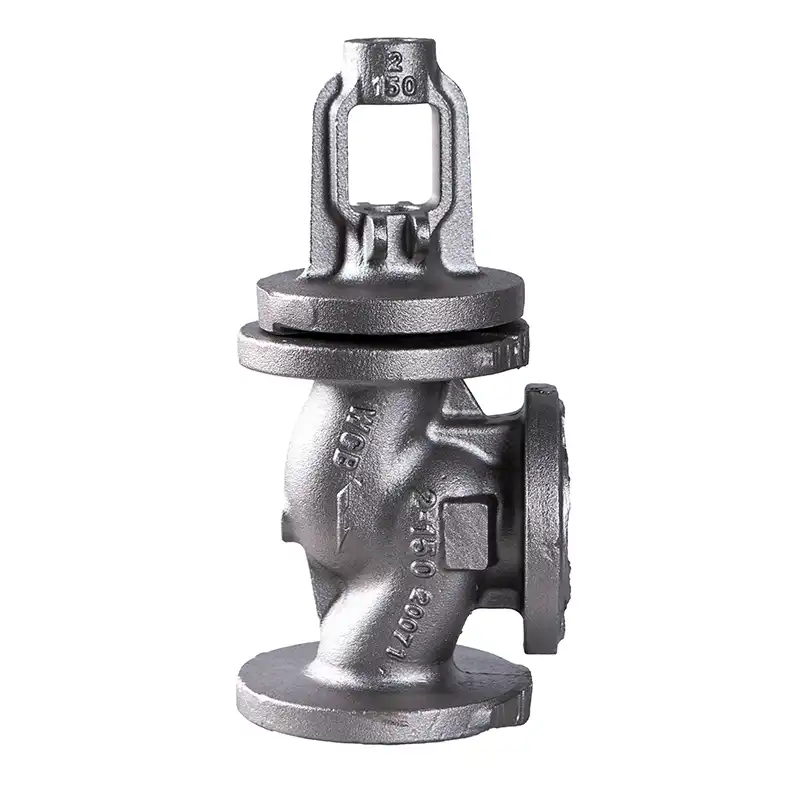
Table of Contents
1. Introduction to Globe Valve Casting
Globe Valve Casting is a type of valve widely used in industrial systems for precise flow control. It is distinguished by its spherical body shape and a movable disk element that regulates flow. Globe valves are commonly installed in pipelines where throttling and frequent operation are required. Their design allows for efficient pressure drop management and reliable flow control, making them suitable for power plants, oil & gas facilities, water treatment systems, and chemical industries.
The primary objective of this article is to provide a detailed understanding of Globe Valve Casting, including how to select, operate, and maintain it effectively to maximize lifespan and efficiency. The following sections will cover product specifications, FAQs, and technical considerations.
2. Product Specifications and Technical Details
Understanding the technical parameters of Globe Valve Casting is essential for selecting the correct valve for specific industrial applications. Below is a detailed table summarizing the key specifications:
| Parameter | Specification |
|---|---|
| Valve Type | Globe Valve |
| Material | Cast Steel, Stainless Steel, Bronze, Alloy Steel |
| Size Range | DN15 – DN600 (0.5" – 24") |
| Pressure Rating | Class 150 – Class 2500 (PN16 – PN400) |
| Temperature Range | -29°C to 550°C (-20°F to 1022°F) |
| Connection Type | Flanged, Threaded, Welded |
| Flow Characteristic | Linear/Equal Percentage |
| Actuation | Manual Handwheel, Electric, Pneumatic |
These parameters ensure that Globe Valve Casting can meet the diverse operational requirements of modern industrial systems. Material selection, pressure class, and connection type are particularly critical for long-term performance and compliance with industry standards.
3. Common Questions About Globe Valve Casting
Q1: How does a Globe Valve Casting control flow effectively?
A1: Globe Valve Casting controls flow through the movement of a disk towards or away from the seat. The linear motion allows precise throttling, which reduces turbulence and maintains a predictable pressure drop. This makes it suitable for applications requiring frequent modulation and tight shut-off.
Q2: How to choose the correct material for Globe Valve Casting?
A2: Material selection depends on the operating temperature, pressure, and the chemical properties of the fluid. Cast steel is suitable for general industrial use, stainless steel is ideal for corrosive media, and bronze is preferred for water and low-pressure applications. Proper material ensures durability, corrosion resistance, and compliance with safety standards.
Q3: How to maintain Globe Valve Casting for long-term operation?
A3: Regular maintenance includes lubrication of the stem, inspection of the seat and disk, and checking for leaks at connections. Actuators should be tested for proper operation, and any worn parts replaced promptly. Periodic cleaning and pressure testing enhance operational reliability and extend service life.
4. Selection, Installation, and Maintenance Guidance
4.1 How to Select the Right Globe Valve Casting
Choosing the correct Globe Valve Casting involves evaluating operating conditions, including fluid type, temperature, pressure, and required flow control. The valve size should match the pipeline diameter to minimize pressure losses. Consideration of connection type—flanged, threaded, or welded—is critical for installation compatibility.
4.2 How to Install Globe Valve Casting Properly
Installation must ensure correct orientation, usually with the flow entering below the disk to reduce seat erosion. Flanged joints should be tightened according to torque specifications, and gaskets should be compatible with the operating medium. Improper installation can lead to leaks, premature wear, and reduced efficiency.
4.3 How to Perform Routine Maintenance
Maintenance routines include visual inspection for corrosion or mechanical damage, stem lubrication, actuator testing, and functional checks for sealing performance. Any valve exhibiting abnormal pressure drop or leakage should be disassembled, cleaned, and tested to restore optimal operation. Documentation of maintenance ensures traceability and compliance with industry standards.
4.4 How to Troubleshoot Common Issues
Typical issues with Globe Valve Casting include leakage, excessive vibration, or actuator malfunction. Leakage may occur due to worn seats, damaged gaskets, or improper stem packing. Vibration can be mitigated by checking for proper pipeline support and flow alignment. Actuator problems require recalibration or replacement depending on the root cause.
5. Brand Mention and Contact Us
Hanno is a leading provider of high-quality Globe Valve Casting, offering a comprehensive range of valves tailored for industrial applications. Each valve is manufactured under strict quality control standards to ensure reliability, efficiency, and long-term performance. For inquiries or to discuss specific Globe Valve Casting requirements, please contact us and our technical team will provide expert guidance and support.