

How Flange Check Valve Improves Flow Control and Prevents Backflow in Industrial Systems
2026-03-27
Abstract
Flange check valves are critical components in fluid handling systems, designed to prevent reverse flow and protect equipment from damage. Many industrial buyers face recurring issues such as leakage, pressure loss, improper installation, and high maintenance costs. This article explores how flange check valves function, how to select the right model, and how to optimize their performance for long-term reliability. By understanding these principles, engineers and procurement managers can significantly reduce downtime and improve operational efficiency.
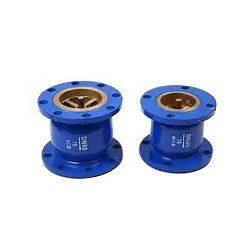
Table of Contents
- 1. What Is a Flange Check Valve?
- 2. How Does a Flange Check Valve Work?
- 3. Key Types of Flange Check Valves
- 4. Common Customer Pain Points and Solutions
- 5. How to Choose the Right Flange Check Valve
- 6. Installation and Maintenance Best Practices
- 7. Performance Comparison Table
- 8. Why Choose Shengshi Huagong Valve
- 9. FAQ
1. What Is a Flange Check Valve?
A flange check valve is a mechanical device used in piping systems to allow fluid to flow in one direction while preventing reverse flow. It is connected to pipelines using flanged ends, which provide a secure and leak-resistant installation, especially in high-pressure environments.
These valves are widely used in industries such as oil and gas, chemical processing, water treatment, and power generation, where backflow prevention is critical to system integrity.
2. How Does a Flange Check Valve Work?
The operation of a flange check valve is based on pressure differentials. When fluid flows in the desired direction, it pushes the valve disc open. When the flow stops or reverses, gravity or back pressure forces the disc to close, preventing reverse flow.
- Forward Flow: Fluid pressure opens the valve disc
- Reverse Flow: Disc closes automatically
- Sealing Mechanism: Prevents leakage and protects equipment
This automatic operation eliminates the need for manual intervention, making it highly efficient in continuous systems.
3. Key Types of Flange Check Valves
Understanding different valve types helps users select the best option for specific applications:
- Swing Check Valve: Uses a hinged disc that swings open and closed
- Lift Check Valve: Disc lifts vertically, suitable for high-pressure systems
- Dual Plate Check Valve: Compact design with fast closing response
- Ball Check Valve: Uses a ball to block reverse flow, ideal for viscous fluids
4. Common Customer Pain Points and Solutions
Many industrial users encounter recurring issues when using flange check valves. Below are the most common problems and their solutions:
-
Problem: Valve Leakage
Cause: Poor sealing or material degradation
Solution: Use corrosion-resistant materials and ensure proper sealing design -
Problem: Water Hammer
Cause: Sudden valve closure
Solution: Choose valves with damping features or soft-close mechanisms -
Problem: High Pressure Loss
Cause: Improper valve sizing
Solution: Select valves based on accurate flow calculations -
Problem: Frequent Maintenance
Cause: Low-quality materials or improper installation
Solution: Invest in high-quality valves and follow installation standards
5. How to Choose the Right Flange Check Valve
Selecting the right flange check valve requires evaluating multiple technical parameters:
- Pressure Rating: Ensure compatibility with system pressure
- Material: Stainless steel, cast iron, or alloy depending on fluid type
- Valve Size: Match pipeline diameter to avoid flow restriction
- Temperature Range: Consider operating conditions
- Application Type: Water, oil, gas, or corrosive chemicals
A well-matched valve not only improves efficiency but also extends the lifespan of the entire system.
6. Installation and Maintenance Best Practices
Proper installation and maintenance are crucial for optimal valve performance:
- Install the valve in the correct flow direction (check arrow marking)
- Ensure flange alignment to prevent stress on the valve body
- Use appropriate gaskets for leak-proof connections
- Regularly inspect for wear, corrosion, and debris
- Clean internal components periodically to maintain efficiency
Following these practices can significantly reduce operational risks and maintenance costs.
7. Performance Comparison Table
| Valve Type | Response Speed | Pressure Loss | Best Application |
|---|---|---|---|
| Swing Check Valve | Moderate | Low | General water systems |
| Lift Check Valve | Slow | High | High-pressure applications |
| Dual Plate Check Valve | Fast | Very Low | Compact pipeline systems |
| Ball Check Valve | Moderate | Medium | Viscous fluids |
8. Why Choose Shengshi Huagong Valve
Shengshi Huagong Valve is a trusted manufacturer specializing in high-performance industrial valves. With extensive experience in fluid control solutions, the company provides flange check valves that meet strict quality standards and deliver reliable performance across various industries.
Key advantages include:
- Advanced manufacturing technology
- Strict quality control systems
- Wide range of product specifications
- Customized solutions for complex applications
For more product details, you can explore their official product page.
9. FAQ
-
Q1: What is the main function of a flange check valve?
A: It prevents backflow and protects equipment from reverse pressure damage. -
Q2: How do I know which type to choose?
A: Consider pressure, flow rate, fluid type, and installation space. -
Q3: Can flange check valves be used in vertical pipelines?
A: Yes, but the type of valve must be suitable for vertical installation. -
Q4: How often should maintenance be performed?
A: Regular inspection every 6–12 months is recommended depending on usage.
Conclusion
Flange check valves play an indispensable role in maintaining system efficiency and preventing costly damage caused by reverse flow. By selecting the right type, ensuring proper installation, and performing regular maintenance, businesses can significantly enhance operational reliability.
If you are looking for durable, high-quality flange check valves tailored to your industrial needs, Shengshi Huagong Valve is ready to support your project with professional solutions and dependable products. Contact us today to get expert guidance and competitive pricing for your next project.