Article Summary:
Threaded ball valves are compact, reliable flow control devices widely used in water systems, oil & gas pipelines, chemical processing, and industrial automation. This article explains how threaded ball valves work, their structure, applications, advantages, and selection criteria. It also highlights common installation mistakes and maintenance practices to help users improve system reliability and reduce leakage risks.
Introduction to Threaded Ball Valve
In modern fluid control systems, reliability and ease of installation are critical. A threaded ball valve is designed to provide tight shut-off control while ensuring simple installation without welding or flanging.
It is widely used in small to medium pipeline systems where quick assembly and maintenance are required. Manufacturers like Shengshi Huagong have developed advanced threaded ball valves that meet industrial durability standards while maintaining cost efficiency.
What is a Threaded Ball Valve?
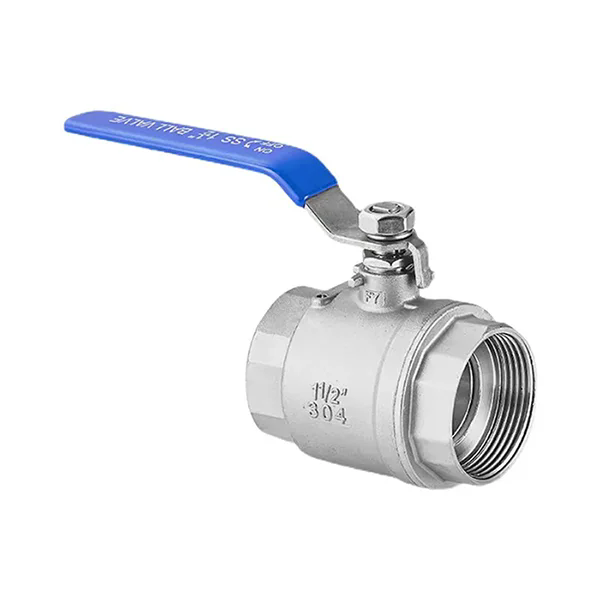
A threaded ball valve is a quarter-turn valve that uses a spherical ball with a hole through its center to regulate flow. The valve connects to pipelines using threaded ends (female or male threads), eliminating the need for welding.
-
Body: Metal housing (stainless steel, brass, or carbon steel)
-
Ball: Rotating sphere controlling flow
-
Stem: Connects handle to ball
-
Seats: Provide sealing performance
-
Threads: Enable pipe connection
How Threaded Ball Valve Works
The working principle of a threaded ball valve is based on rotational motion. When the handle is turned 90 degrees, the ball rotates inside the valve body.
-
Open position: The hole in the ball aligns with the pipeline, allowing fluid to pass through.
-
Closed position: The ball rotates perpendicular to the pipeline, blocking flow completely.
-
Partial control: Some designs allow limited throttling, although ball valves are primarily for on/off control.
This simple yet effective mechanism ensures fast operation, minimal pressure drop, and reliable sealing performance even under high pressure conditions.
Types and Configurations
Threaded ball valves come in multiple configurations depending on application requirements:
-
Two-piece design: Easy maintenance and cost-effective
-
Three-piece design: Allows inline repair without pipeline removal
-
Full port: Same diameter as pipeline for maximum flow
-
Reduced port: Smaller internal passage for cost savings
Materials and Construction
Material selection directly affects performance, durability, and chemical resistance. Common materials include:
|
Material
|
Characteristics
|
Common Use
|
|
Stainless Steel
|
Corrosion resistant, high strength
|
Chemical, marine, oil systems
|
|
Brass
|
Cost-effective, good machinability
|
Water supply, HVAC
|
|
Carbon Steel
|
High pressure tolerance
|
Industrial pipelines
|
Shengshi Huagong provides multiple material options to match different industrial environments, ensuring long-term operational stability.
Industrial Applications
Threaded ball valves are widely used across industries due to their compact structure and reliability:
-
Water treatment systems
-
Oil and gas pipelines
-
Chemical processing plants
-
HVAC systems
-
Food and beverage production
-
Compressed air systems
Installation Guidelines
Proper installation is essential for ensuring valve performance and preventing leakage:
-
Clean pipe threads before installation
-
Apply appropriate sealing tape or compound
-
Avoid over-tightening to prevent thread damage
-
Ensure correct flow direction alignment (if applicable)
-
Test system pressure after installation
Key Advantages
-
Simple installation without welding
-
Quick quarter-turn operation
-
Excellent sealing performance
-
Low maintenance requirements
-
Compact design suitable for tight spaces
-
Cost-effective for small to medium systems
Threaded Ball Valve vs Other Valves
|
Feature
|
Threaded Ball Valve
|
Gate Valve
|
Globe Valve
|
|
Operation
|
Quarter turn
|
Multi-turn
|
Multi-turn
|
|
Sealing
|
Excellent
|
Good
|
Moderate
|
|
Maintenance
|
Low
|
Medium
|
High
|
|
Flow Control
|
On/Off
|
On/Off
|
Throttling
|
Maintenance and Troubleshooting
Regular maintenance helps extend valve lifespan and ensure stable operation:
-
Inspect sealing surfaces for wear
-
Check for leakage at threaded joints
-
Operate valve periodically to prevent sticking
-
Replace seals if pressure drop is detected
Common issues include leakage, stiff operation, and thread corrosion. Most of these problems can be avoided through proper installation and periodic inspection.
How to Choose the Right Valve
When selecting a threaded ball valve, consider the following factors:
-
Pressure and temperature requirements
-
Fluid type (water, gas, chemical)
-
Material compatibility
-
Thread standard (NPT, BSP)
-
Size and flow capacity
Shengshi Huagong provides technical support to help customers select the most suitable valve for their specific system requirements.
Conclusion
Threaded ball valves play a crucial role in modern pipeline systems due to their simplicity, reliability, and versatility. From water distribution to industrial chemical processing, they provide efficient flow control with minimal maintenance requirements.
By choosing high-quality solutions from manufacturers like Shengshi Huagong, users can significantly improve system safety, reduce leakage risks, and enhance operational efficiency.
For detailed product specifications, customization options, or technical consultation, please contact us today and let our engineering team support your project requirements.