

How Does the Fail-Safe Mechanism Work in an Electrical Gate Valve
2026-01-27
In industrial fluid control, reliability is paramount. A critical feature that ensures this reliability in automated systems is the fail-safe mechanism within an Electrical Gate Valve. This design is essential for maintaining safety and process integrity during power or signal loss. At JQF, we engineer our valves with robust fail-safe options to protect your operations. But how exactly does this crucial mechanism function?
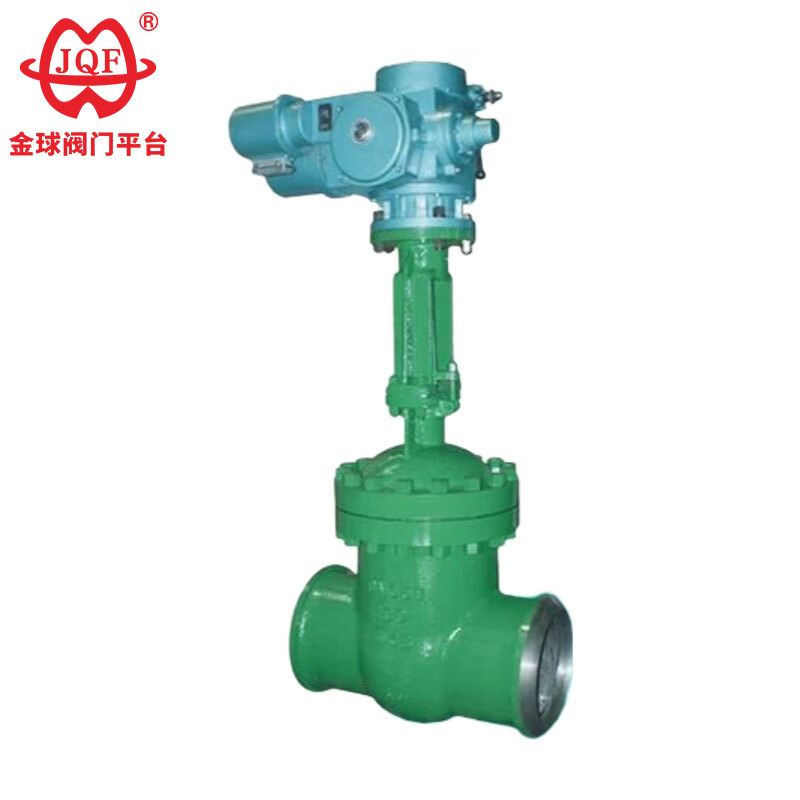
At its core, a fail-safe, or spring-return, mechanism provides a default position for the valve actuator when normal operating power is interrupted. Here is a step-by-step breakdown:
-
Normal Operation: The Electrical Gate Valve actuator uses electrical power to compress a large, high-torque spring while moving the gate to the desired position (open or closed).
-
Power Failure: Upon a loss of power, the electrical force holding the spring compressed disappears.
-
Spring Actuation: The stored mechanical energy in the spring is instantly released.
-
Valve Movement: This released energy drives the actuator's gear train in the opposite direction, returning the valve gate to its pre-defined safe position—typically fully closed or fully open—without needing any external power.
The choice of fail-safe action depends on the specific process safety requirements. A comparison is outlined below:
| Fail-Safe Action | Typical Default Position | Common Application Scenario |
|---|---|---|
| Fail-Close (FC) | Valve closes automatically | To stop flow for leak prevention, overpressure protection, or isolating hazardous fluids. |
| Fail-Open (FO) | Valve opens automatically | To prevent equipment damage from overheating (e.g., cooling water lines) or to allow system depressurization. |
| Fail-in-Last-Position (FL) | Stays in its last position | Used where a change in state could be more dangerous, often requiring a battery backup system. |
Electrical Gate Valve FAQ
Q: Can a fail-safe mechanism be added to any existing Electrical Gate Valve?
A: Typically, no. The fail-safe mechanism is an integral part of the actuator design and is factory-set. Retrofitting an existing standard actuator with a spring-return module is complex and often not cost-effective. It is crucial to specify the required fail-safe action (FC, FO, FL) when selecting your JQF Electrical Gate Valve.
Q: How is the fail-safe mechanism tested or maintained?
A: Regular maintenance is key. The mechanism can be tested by performing a manual override or by simulating a power cut during scheduled downtime. JQF recommends inspecting the spring assembly and gear train during routine maintenance intervals to ensure no corrosion or fatigue that could impede its operation.
Q: Does a fail-close valve always use more power to operate?
A: Yes, generally. In a fail-close Electrical Gate Valve, the actuator must use electrical energy to compress the spring to open the valve. This requires higher inrush torque compared to a simple open-close actuator. It is important to ensure your power supply and control system are rated for this initial demand when specifying such valves.
Understanding the fail-safe mechanism is vital for designing safe and resilient process systems. The inherent design of a JQF Electrical Gate Valve with a spring-return actuator provides a dependable, mechanical solution for emergency shutdown scenarios, protecting both personnel and capital equipment.
Contact Us Today
Ensure your facility's safety and reliability with properly specified valve solutions. Reach out to our engineering team at JQF to discuss your application requirements and find the perfect Electrical Gate Valve with the appropriate fail-safe configuration for your critical systems.