

How Does Long Shank Return Valve Work and Why It Matters in Fluid Control Systems
2026-06-17
Abstract
The Long Shank Return Valve plays a critical role in modern hydraulic and fluid control systems by ensuring stable backflow prevention, pressure regulation, and directional fluid stability. This article provides an in-depth technical overview of how this valve works, its structural advantages, key application scenarios, and how to select and maintain it effectively. Whether used in industrial machinery, pipeline systems, or heavy-duty hydraulic equipment, understanding its function helps reduce operational risk, improve efficiency, and extend system lifespan. The valve solution offered by GenTant is designed to meet demanding industrial standards with precision engineering and durable performance.
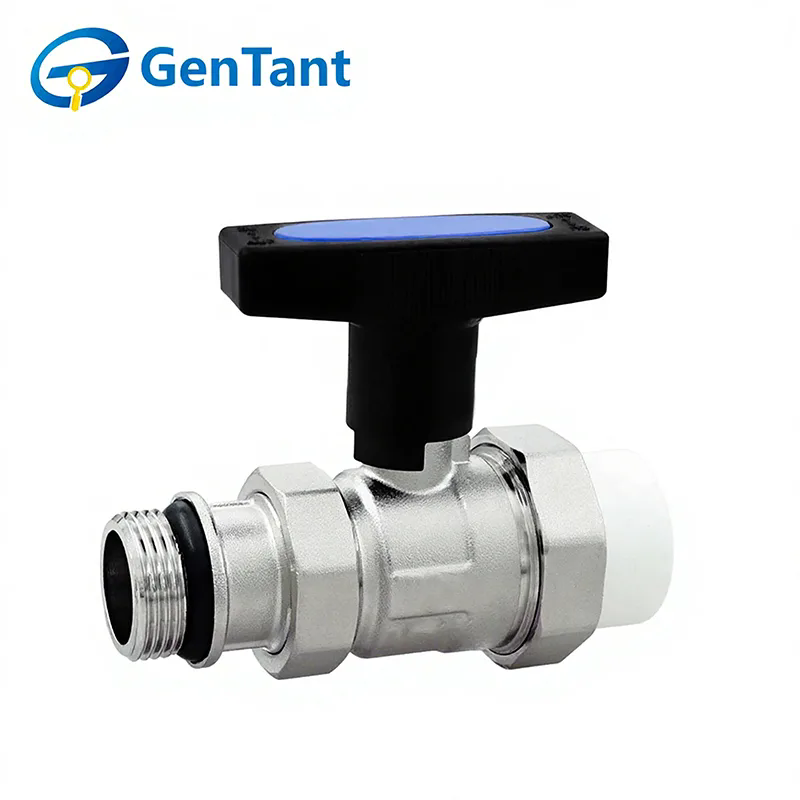
Table of Contents
- Introduction to Long Shank Return Valve
- Working Principle
- Key Structural Features
- Industrial Applications
- Selection and Specification Guide
- Installation and Maintenance
- Common Issues and Troubleshooting
- Why Choose GenTant
- Frequently Asked Questions
Introduction to Long Shank Return Valve
A Long Shank Return Valve is a specialized one-way flow control device designed to prevent reverse fluid movement in hydraulic and pneumatic systems. The extended shank structure allows deeper installation into pipelines or equipment ports, improving sealing stability and reducing turbulence in high-pressure environments.
Unlike standard return valves, the long shank design improves alignment accuracy, minimizes vibration impact, and enhances long-term sealing performance. This makes it particularly suitable for systems where fluid consistency and directional control are critical.
Working Principle
The operational mechanism of a Long Shank Return Valve is based on differential pressure control. When forward pressure exceeds the cracking pressure of the valve, the internal sealing element (such as a ball, disc, or poppet) opens to allow flow. When reverse pressure occurs, the valve automatically closes to prevent backflow.
Key functional stages include:
- Forward Flow Activation: Pressure pushes the sealing element away from the seat.
- Stable Flow Passage: Fluid passes through the valve chamber with minimal resistance.
- Reverse Flow Blocking: Back pressure forces the sealing element onto the seat, preventing leakage.
The extended shank improves hydraulic stability by reducing dead zones and ensuring more linear flow behavior inside the valve body.
Key Structural Features
The Long Shank Return Valve is engineered with multiple design advantages that enhance reliability and efficiency:
- Extended Shank Design: Improves installation depth and mechanical stability.
- High-Precision Sealing Surface: Reduces leakage risk under high pressure.
- Corrosion-Resistant Materials: Suitable for aggressive fluids and industrial environments.
- Low Cracking Pressure: Ensures quick response to flow changes.
- Compact Internal Chamber: Minimizes turbulence and energy loss.
These features make the valve suitable for both high-performance hydraulic systems and precision fluid regulation environments.
Industrial Applications
The Long Shank Return Valve is widely used across multiple industries due to its adaptability and reliability.
| Industry | Application | Function Role |
|---|---|---|
| Hydraulic Machinery | Press systems, lifting equipment | Prevents reverse oil flow |
| Oil & Gas | Pipelines, pumping stations | Maintains directional flow stability |
| Manufacturing | Automated production lines | Ensures actuator control precision |
| Water Treatment | Filtration and pumping systems | Prevents contamination backflow |
Its versatility makes it a core component in systems where flow integrity is essential for operational safety.
Selection and Specification Guide
Choosing the right Long Shank Return Valve depends on system requirements. The following table outlines key selection parameters:
| Parameter | Description | Recommendation |
|---|---|---|
| Pressure Rating | Maximum working pressure capacity | Select 20–30% above system peak pressure |
| Material | Valve body composition | Stainless steel for corrosive environments |
| Flow Direction | Unidirectional control | Match system flow design |
| Temperature Range | Operating conditions | Ensure compatibility with fluid temperature |
Proper selection ensures system efficiency, reduces maintenance costs, and extends equipment lifespan.
Installation and Maintenance
Correct installation and regular maintenance are essential for long-term performance.
- Ensure pipeline cleanliness before installation to prevent debris damage.
- Align valve direction with system flow indicators.
- Avoid overtightening to prevent thread deformation.
- Inspect sealing surfaces periodically for wear or corrosion.
- Replace internal components if pressure instability is detected.
Routine inspection helps maintain optimal hydraulic performance and prevents unexpected downtime.
Common Issues and Troubleshooting
| Issue | Possible Cause | Solution |
|---|---|---|
| Leakage | Worn sealing element | Replace seal or valve core |
| Flow blockage | Debris accumulation | Clean internal chamber |
| Pressure drop | Incorrect valve sizing | Reevaluate system specifications |
| Delayed response | Spring fatigue | Replace internal spring mechanism |
Why Choose GenTant
GenTant is committed to delivering high-performance valve solutions engineered for demanding industrial environments. The Long Shank Return Valve developed by GenTant integrates precision machining, strict quality control, and advanced material selection to ensure long-term reliability.
- High manufacturing accuracy and consistency
- Durable performance under extreme pressure conditions
- Customized solutions for different industrial systems
- Strict inspection and testing procedures
More product details can be explored at: https://www.gentantvalves.com/long-shank-return-valve.html
Frequently Asked Questions
Q1: What is the main function of a Long Shank Return Valve?
It prevents reverse fluid flow and maintains directional stability in hydraulic and pneumatic systems.
Q2: Where is it most commonly used?
It is widely used in hydraulic machinery, industrial pipelines, and fluid control systems.
Q3: How does the long shank design improve performance?
It enhances installation stability, reduces vibration impact, and improves sealing accuracy.
Q4: How often should maintenance be performed?
Regular inspection every 3–6 months is recommended depending on operating conditions.
Q5: Can it be used in high-pressure environments?
Yes, when properly selected based on pressure rating and material compatibility.
Conclusion
The Long Shank Return Valve is a vital component in ensuring safe, efficient, and controlled fluid movement across industrial systems. Its structural advantages, combined with precise engineering, make it a reliable solution for preventing backflow and maintaining system integrity. Proper selection, installation, and maintenance significantly enhance operational stability and reduce long-term costs.
GenTant continues to provide advanced valve solutions tailored to industrial needs, ensuring performance and durability in every application.
For technical consultation, product customization, or procurement support, contact us today to explore how GenTant can optimize your fluid control systems.