

How Does an Aseptic High Containment Alpha Port RTP Improve Safe Material Transfer?
2026-10-27
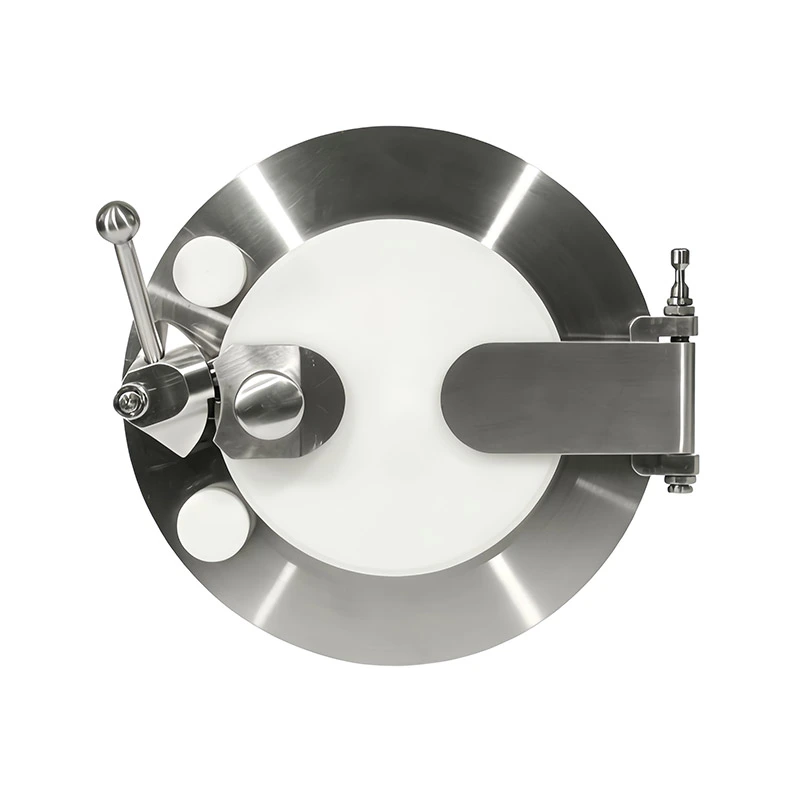
In pharmaceutical manufacturing, biotechnology, and sterile production, material transfer is a critical step that directly affects product quality, operator safety, and contamination control. Moving materials between an isolator and the surrounding environment can introduce risks if the transfer interface is not properly designed. An Aseptic High Containment Alpha Port RTP provides a controlled connection for transferring materials while helping maintain the separation between the contained process area and the external environment.
Based on Alpha-Beta rapid transfer technology, the system combines a fixed Alpha Port with a compatible mobile Beta component. Once correctly docked, the two components establish a defined transfer interface that supports controlled material movement. For manufacturers handling sterile components, active pharmaceutical ingredients (APIs), or high-potency materials, this technology can improve transfer consistency and reduce reliance on conventional open-handling procedures.
AVM Extraordinary Intelligent Control Equipment Co., Ltd. provides Alpha Port RTP solutions for pharmaceutical, biopharmaceutical, and cleanroom applications. By considering material compatibility, sealing performance, mechanical interlocking, and installation requirements, manufacturers can select a transfer solution that fits their production processes.
Why Is an Aseptic High Containment Alpha Port RTP Important?
Reducing Contamination Risks
Aseptic production requires careful control of potential contamination sources. Every time materials enter or leave a controlled environment, the transfer procedure must protect the cleanliness of the process area.
An Aseptic High Containment Alpha Port RTP creates a dedicated interface between the isolator and the transfer container. Its double-door design allows the Alpha and Beta components to connect before the transfer opening is accessed. This arrangement helps limit direct exposure of the protected environment during material handling.
When integrated with appropriate cleaning, decontamination, and operating procedures, the system can support a more consistent contamination-control strategy.
Protecting Operators and the Environment
High-containment processes may involve potent pharmaceutical ingredients, hazardous powders, or other materials that require controlled handling. Uncontrolled transfer can create potential exposure risks for operators and surrounding work areas.
The Alpha-Beta connection and mechanical interlocking structure are designed to support a defined docking and release sequence. By helping prevent premature opening or disconnection, the system contributes to safer material handling.
Actual containment performance depends on the complete equipment configuration, seal integrity, material characteristics, maintenance, and validated operating procedures.
Improving Production Efficiency
Repeatedly opening the main isolator or using manual transfer methods can increase handling steps and interrupt production workflows. A dedicated rapid transfer interface offers a repeatable method for moving materials, components, tools, and containers.
With suitable sizing and installation, an Alpha Port RTP can help manufacturers standardize transfer procedures, simplify operator training, and reduce unnecessary handling. These benefits are particularly relevant to production lines where frequent transfers are required.
How Does an Alpha-Beta RTP System Work?
1. Fixed Alpha Port Installation
The Alpha Port is permanently installed on the wall of an isolator, glove box, or other compatible containment enclosure. It serves as the equipment-side interface and remains closed when no transfer is taking place.
Its installation position should support convenient docking, cleaning, inspection, and routine operation.
2. Secure Beta Component Docking
The compatible Beta component is aligned and connected to the Alpha Port before the transfer doors are opened. Correct dimensional matching and engagement are essential for establishing the intended interface.
The mechanical interlock helps control the operating sequence and restricts improper operation under the designed conditions.
3. Controlled Material Transfer
After successful docking, the connected Alpha and Beta assemblies form a transfer opening. Materials can then pass between the connected components according to the approved operating procedure.
This double-door arrangement helps maintain separation between the transfer interface and the surrounding environment. The required aseptic or containment performance must still be supported by suitable system design and process validation.
4. Safe Closure and Disconnection
After transfer, the doors are returned to the closed position before the Beta component is released. This sequence helps prevent the transfer interface from being unintentionally left open.
Consistent operating procedures, regular inspection, and proper maintenance are essential for maintaining reliable performance throughout the equipment's service life.
What Are the Key Features of an Aseptic High Containment Alpha Port RTP?
An Alpha Port RTP should be selected according to the actual requirements of the production environment rather than appearance alone. Important design considerations include the following.
-
Mechanical interlocking: Helps control door operation and component release.
-
Double-door transfer structure: Supports material transfer through a connected interface.
-
316L stainless steel: Provides corrosion resistance and is suitable for many pharmaceutical equipment applications.
-
Controlled surface finish: A product-contact surface finish of Ra ≤ 0.4 μm is available in the AVM product specifications, supporting cleaning and inspection requirements.
-
Seal compatibility: FKM sealing options are available, with material suitability assessed against the process and cleaning conditions.
-
Multiple port sizes: DN105, DN190, DN270, and DN350 options support different transfer requirements.
-
Flexible system integration: Designed for compatible isolators, glove boxes, and other sealed processing equipment.
The final configuration should be confirmed against the relevant technical drawings, material specifications, and project requirements.
Which Applications Benefit Most From Alpha Port RTP Technology?
Pharmaceutical Manufacturing
Pharmaceutical production facilities need reliable methods for transferring raw materials, production tools, components, and intermediate products. An Alpha Port RTP provides a dedicated transfer point that can be incorporated into an isolator-based manufacturing process.
Biopharmaceutical Production
Biopharmaceutical facilities may need to transfer process components, samples, consumables, and other materials between controlled areas. An appropriately configured RTP can help standardize these transfers while supporting the facility's contamination-control procedures.
High-Potency API Handling
When handling high-potency active pharmaceutical ingredients, manufacturers must consider occupational exposure and environmental containment. An Alpha Port RTP can contribute to a controlled transfer strategy when integrated with suitable containment equipment and validated procedures.
Aseptic Filling and Cleanroom Operations
Sterile production lines frequently require the transfer of tools, stoppers, containers, and other components into controlled processing areas. RTP technology can provide a defined interface for these activities, helping reduce unnecessary opening of the primary barrier.
Laboratory and Research Facilities
Laboratories handling sensitive, potent, or contamination-sensitive materials may benefit from a repeatable transfer method. The appropriate port configuration depends on the materials involved, the containment requirements, and the type of connected equipment.
Alpha Port RTP vs. Conventional Open Transfer Methods
The choice of transfer method can influence contamination control, operator workload, and workflow consistency.
| Evaluation Factor | Alpha Port RTP | Conventional Open Transfer |
|---|---|---|
| Transfer interface | Dedicated Alpha-Beta connection | Depends on manual handling arrangements |
| Contamination control | Supports controlled transfer through a connected interface | More dependent on the surrounding environment and procedures |
| Containment support | Mechanical interlocking and sealing features | Depends on the selected handling method |
| Operating consistency | Supports a repeatable docking sequence | May involve more variable manual steps |
| Equipment integration | Requires compatible ports and installation | May require less specialized transfer hardware |
| Best suited for | Controlled, frequent, or sensitive material transfers | Applications where open handling is acceptable under established controls |
An RTP is not automatically the best solution for every process. Buyers should evaluate transfer frequency, material hazards, aseptic requirements, equipment compatibility, cleaning procedures, and total operating costs before selecting a system.
How Can Buyers Select the Right Alpha Port RTP?
Choosing the appropriate configuration helps ensure compatibility with existing equipment and production requirements.
Port diameter: Determine the dimensions of the largest item or container that must pass through the port. AVM offers DN105, DN190, DN270, and DN350 options.
Material and seal selection: Evaluate product-contact materials, cleaning agents, process chemicals, operating temperatures, and the required sealing performance.
Beta component compatibility: Confirm that the selected Beta container or transfer assembly matches the Alpha Port's dimensions and docking specifications.
Installation requirements: Review the isolator wall, mounting dimensions, available clearance, and access needed for operation and maintenance.
Decontamination procedures: Confirm compatibility with the facility's established cleaning and decontamination methods, including VHP or other suitable procedures where applicable.
Documentation and validation: Request the relevant product specifications, material information, installation guidance, and compliance documentation for the intended application.
AVM Extraordinary Intelligent Control Equipment Co., Ltd. can help customers assess these technical considerations when specifying an Alpha Port RTP for a new project or an existing equipment upgrade.
Why Choose AVM Extraordinary Intelligent Control Equipment Co., Ltd.?
Selecting transfer equipment requires more than matching a nominal diameter. Manufacturers also need to consider installation conditions, transfer frequency, material compatibility, and the overall design of their containment systems.
AVM offers Aseptic High Containment Alpha Port RTP solutions with multiple size options and configuration considerations for pharmaceutical, biopharmaceutical, and cleanroom applications. Its product range is designed to support integration with compatible Beta containers and sealed processing equipment.
By discussing the application requirements early, buyers can identify a suitable port configuration, clarify interface dimensions, and reduce the risk of compatibility issues during installation. The final selection should always be based on confirmed specifications and the intended operating conditions.
Conclusion
An Aseptic High Containment Alpha Port RTP plays an important role in controlled material transfer by providing a dedicated Alpha-Beta connection, mechanical interlocking, and a defined operating sequence. When properly selected and integrated, it can support contamination control, improve transfer consistency, and contribute to safer handling in pharmaceutical, biotechnology, and high-containment environments.
For manufacturers planning a new production line or upgrading an existing isolator, evaluating port dimensions, sealing materials, Beta compatibility, and decontamination requirements is essential to achieving a reliable transfer solution.
Looking for a suitable Aseptic High Containment Alpha Port RTP for your production facility? Contact us at AVM Extraordinary Intelligent Control Equipment Co., Ltd. Share your application requirements, preferred port size, and equipment specifications with our team to discuss a suitable configuration for your project.