

How Does an Air Valve Work in Pipeline Systems?
2026-03-12
Article Summary
Air valves play a critical role in modern pipeline systems by automatically releasing trapped air and allowing air intake when pressure conditions change. Without proper air management, pipelines may experience flow inefficiency, water hammer, corrosion, or even structural failure. This article explains how air valves work, why they are essential in fluid systems, and how to select the right type for industrial or municipal applications. It also explores typical installation points, key performance features, and practical considerations when choosing an air valve.
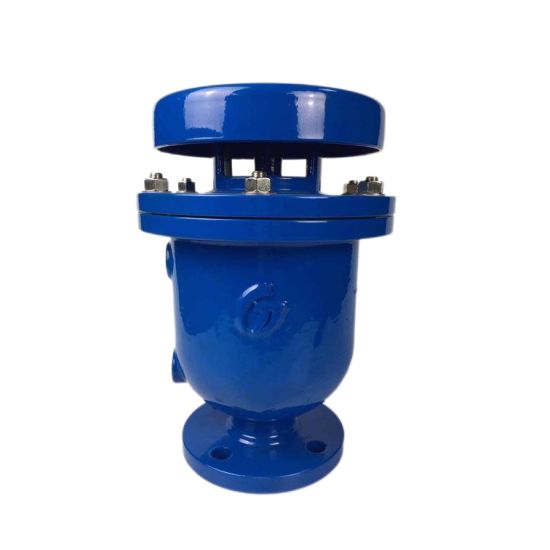
Table of Contents
- Introduction to Air Valves
- How Air Valves Work in Pipeline Systems
- Main Types of Air Valves
- Key Components of an Air Valve
- Typical Installation Locations
- Advantages of Installing Air Valves
- Air Valve Product Parameters Overview
- How to Choose the Right Air Valve
- Frequently Asked Questions
- Conclusion
Introduction to Air Valves
In any water supply, industrial pipeline, or irrigation system, air accumulation inside pipes is inevitable. Air may enter during pipeline filling, pump operation, or through dissolved gases released from the water. When trapped air forms pockets within pipelines, it can reduce flow capacity, increase energy consumption, and lead to dangerous pressure fluctuations.
An air valve is a mechanical device installed in pipelines to release trapped air and allow air intake when necessary. These valves automatically regulate air movement in and out of a pipeline system to maintain stable pressure and ensure efficient fluid transport. According to engineering studies, removing trapped air improves system efficiency, reduces operational costs, and minimizes risks such as water hammer or pipe collapse. :contentReference[oaicite:0]{index=0}
Air valves are widely used in water supply networks, irrigation systems, wastewater pipelines, and industrial fluid systems. Companies such as Tianjin Fuyaolai Technology Co., Ltd. provide advanced air valve solutions designed to improve system reliability and operational safety.
How Air Valves Work in Pipeline Systems
The working principle of an air valve is based on automatic pressure regulation and float mechanisms. Inside the valve body, a float or similar mechanism reacts to changes in air and water levels within the pipeline.
The process generally occurs in three stages:
- Pipeline Filling – When a pipeline is filled with water, large volumes of air must escape quickly. The air valve opens to release this air, allowing the pipeline to fill efficiently.
- Normal Operation – Small air bubbles naturally accumulate at high points in pipelines. The air valve continuously releases these small pockets of air to maintain smooth water flow.
- Pipeline Draining or Pressure Drop – When the system is drained or pressure suddenly drops, the valve allows air to enter the pipe. This prevents vacuum formation and protects the pipeline from structural damage.
This automatic cycle ensures pipelines operate efficiently and safely. Without air valves, trapped air can significantly restrict water flow and increase energy requirements for pumping systems. :contentReference[oaicite:1]{index=1}
Main Types of Air Valves
Air valves are typically classified into three primary categories based on their function within pipeline systems.
1. Automatic Air Release Valve
This valve continuously releases small pockets of air that accumulate during normal pipeline operation. It usually contains a small orifice that opens when air accumulates and closes when water fills the chamber again.
2. Air and Vacuum Valve
This type of valve handles large volumes of air. It releases air during pipeline filling and allows air to enter when pipelines are drained or pressure drops significantly.
3. Combination Air Valve
Combination valves integrate the functions of both automatic air release valves and air-vacuum valves. They can discharge large air volumes during filling while also releasing small air pockets during normal operation. :contentReference[oaicite:2]{index=2}
Key Components of an Air Valve
Although designs may vary by manufacturer, most air valves contain several standard components:
| Component | Function |
|---|---|
| Valve Body | Protects internal components and connects the valve to the pipeline. |
| Float Mechanism | Controls opening and closing based on water or air levels. |
| Orifice | Allows air to escape or enter the pipeline. |
| Seal or Seat | Ensures tight closure to prevent water leakage. |
| Cover or Cap | Protects internal components and allows maintenance access. |
Typical Installation Locations
Proper installation of air valves is essential for optimal performance. In most pipeline networks, air valves are installed at locations where air accumulation is most likely to occur.
- High points in the pipeline
- Long horizontal pipeline sections
- Downstream of pumps
- Near pressure reducing valves
- Before flow meters
- Areas where pipe diameter changes
Installing air valves at these points allows trapped air to be efficiently removed and prevents operational disruptions in the system. :contentReference[oaicite:3]{index=3}
Advantages of Installing Air Valves
Air valves provide multiple operational benefits in water distribution and industrial piping systems.
- Improved pipeline flow efficiency
- Reduced risk of water hammer
- Lower energy consumption for pumping
- Reduced corrosion and pipeline wear
- Improved measurement accuracy of flow meters
- Protection against vacuum conditions and pipe collapse
- Longer service life of the pipeline network
These advantages make air valves essential components in modern fluid transportation systems. :contentReference[oaicite:4]{index=4}
Air Valve Product Parameters Overview
| Parameter | Typical Range |
|---|---|
| Nominal Diameter | DN15 – DN300 |
| Pressure Rating | PN10 / PN16 / PN25 |
| Body Material | Ductile Iron, Carbon Steel, Stainless Steel |
| Connection Type | Flanged / Threaded |
| Working Medium | Water, Wastewater, Industrial Fluids |
| Operating Temperature | 0°C – 80°C |
How to Choose the Right Air Valve
Selecting the correct air valve depends on several technical factors. Engineers typically consider pipeline characteristics and system operating conditions before choosing a valve type.
- Pipeline Diameter – Larger pipelines require valves capable of handling higher air volumes.
- Operating Pressure – Ensure the valve pressure rating matches system pressure.
- Fluid Type – Wastewater systems may require special anti-clogging designs.
- Installation Position – High points usually require combination air valves.
- Maintenance Accessibility – Choose designs that allow easy inspection and servicing.
High-quality air valves from Tianjin Fuyaolai Technology Co., Ltd. are engineered for durability and efficient air management in water supply and industrial pipeline systems.
Frequently Asked Questions
What happens if a pipeline does not use an air valve?
Without an air valve, trapped air pockets can reduce pipeline capacity, cause irregular flow, increase pump energy consumption, and lead to water hammer or pipe damage.
How often should air valves be inspected?
Routine inspection is recommended every 6–12 months depending on system conditions. Regular maintenance ensures that floats, seals, and orifices remain functional.
Are air valves suitable for wastewater systems?
Yes. Special air valves designed for wastewater applications include extended bodies and anti-clogging mechanisms that protect internal components from contamination.
What is the difference between an air release valve and a combination air valve?
An air release valve removes small air pockets during normal operation, while a combination air valve can both release small air pockets and handle large air volumes during pipeline filling or draining.
Conclusion
Air valves are essential devices for maintaining stable pressure and efficient operation in pipeline systems. By automatically releasing trapped air and preventing vacuum conditions, they protect pipelines from damage while improving energy efficiency and system reliability.
Advanced air valve solutions from Tianjin Fuyaolai Technology Co., Ltd. are designed to meet the demanding requirements of water supply, irrigation, and industrial pipeline systems. With reliable construction and precise performance, these valves help ensure smooth and safe pipeline operation.
If you are looking for high-quality air valve products or customized pipeline solutions, visit the product page or contact us today to learn how our team can support your project with professional valve technology and responsive service.