

How Does an Accumulator Charging Valve Work?
2026-04-09
Summary: Accumulator charging valves are crucial in hydraulic systems, ensuring precise fluid control and system reliability. This article explores their operation, design considerations, and solutions to common challenges, highlighting Difon's expertise in manufacturing high-precision valves.
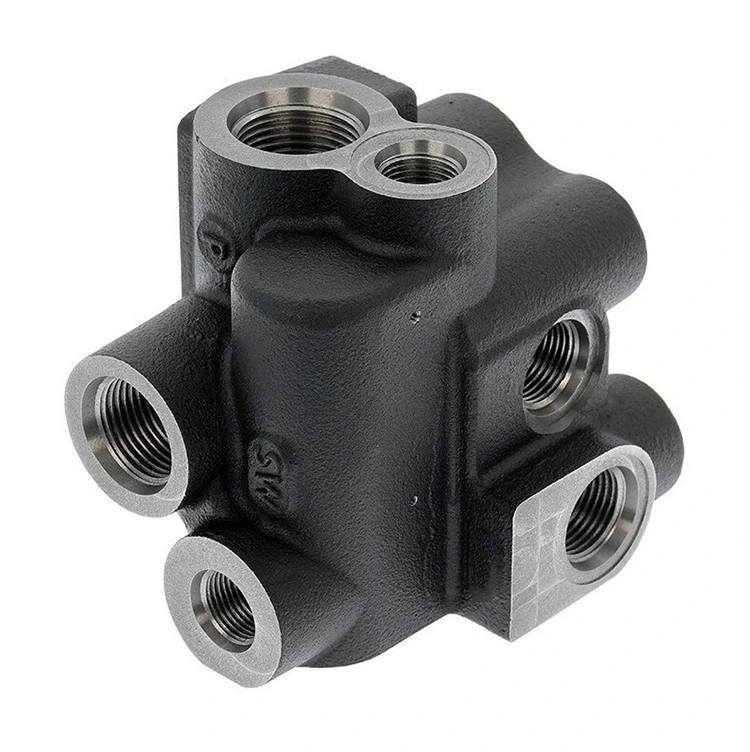
Table of Contents
- What is an Accumulator Charging Valve?
- How Does It Work?
- Common Issues and Solutions
- Installation Best Practices
- Maintenance Tips
- Why Choose Difon
- FAQ
What is an Accumulator Charging Valve?
An accumulator charging valve is a hydraulic component designed to regulate the flow of fluid into an accumulator. These valves are essential in construction machinery, industrial automation, and heavy equipment to maintain pressure balance and prevent leaks.
- Ensures precise fluid control
- Prevents leakage in high-pressure systems
- Supports smooth system operation
How Does It Work?
The accumulator charging valve allows controlled fluid flow into the accumulator chamber. Key design elements include:
| Component | Function |
|---|---|
| Valve Body | Houses internal passages with tight tolerances for leak-free operation |
| Internal Bore | Ensures straight and true fluid flow, critical for pressure stability |
| Seals | Prevent fluid leakage and maintain system integrity |
When fluid enters the valve, the precise design ensures the accumulator is charged safely and efficiently, maintaining system pressure and reducing the risk of hydraulic failure.
Common Issues and Solutions
Hydraulic systems often face challenges related to accumulator charging valves. Common issues include:
- Internal Leakage: Caused by wear or misalignment. Solution: Use high-precision valves from trusted manufacturers like Difon.
- Pressure Drop: Improper installation can reduce efficiency. Solution: Follow manufacturer installation guidelines.
- Valve Sticking: Contamination in hydraulic fluid. Solution: Regular filtration and maintenance.
Installation Best Practices
Proper installation maximizes performance and longevity:
- Ensure valve and accumulator are compatible in size and pressure rating.
- Clean all hydraulic lines before installation to avoid contamination.
- Use torque specifications recommended by the manufacturer to prevent damage.
- Check alignment of internal passages for optimal flow.
Maintenance Tips
Maintaining an accumulator charging valve extends its lifespan and system reliability:
- Inspect valves regularly for signs of wear or leakage.
- Replace seals periodically to maintain tight tolerances.
- Flush the hydraulic system to remove debris and prevent sticking.
- Monitor system pressure to detect performance issues early.
Why Choose Difon
Difon specializes in manufacturing high-precision accumulator charging valves, achieving tolerances as tight as 0.005mm and internal bore precision of 0.002mm. Partnering with Difon ensures:
- Reliable hydraulic performance
- Leak-free operation
- Custom solutions for complex machinery
- Expert technical support
FAQ
-
Q: How do I know if my accumulator charging valve is failing?
A: Look for pressure drops, fluid leaks, or erratic system behavior. -
Q: Can these valves be repaired?
A: Minor seal replacements are possible, but high-precision valves often require professional servicing. -
Q: Does Difon provide custom sizes?
A: Yes, Difon offers custom machining to meet specific hydraulic system requirements. -
Q: How often should the valve be maintained?
A: Regular inspection every 3-6 months is recommended, depending on usage intensity.
Optimize your hydraulic system with Difon’s premium accumulator charging valves. For inquiries or to request a quote, contact us today and ensure leak-free, high-performance operation.