

How Does a Threaded Connection Brass Ball Valve Improve Fluid Control Performance?
2026-08-12
Article Summary
A reliable fluid control system depends on components that can provide accurate shut-off, easy installation, long service life, and stable operation under different working conditions. A Threaded Connection Brass Ball Valve is widely used in plumbing, industrial pipelines, HVAC systems, water treatment equipment, and gas distribution applications because of its strong sealing ability and convenient operation.
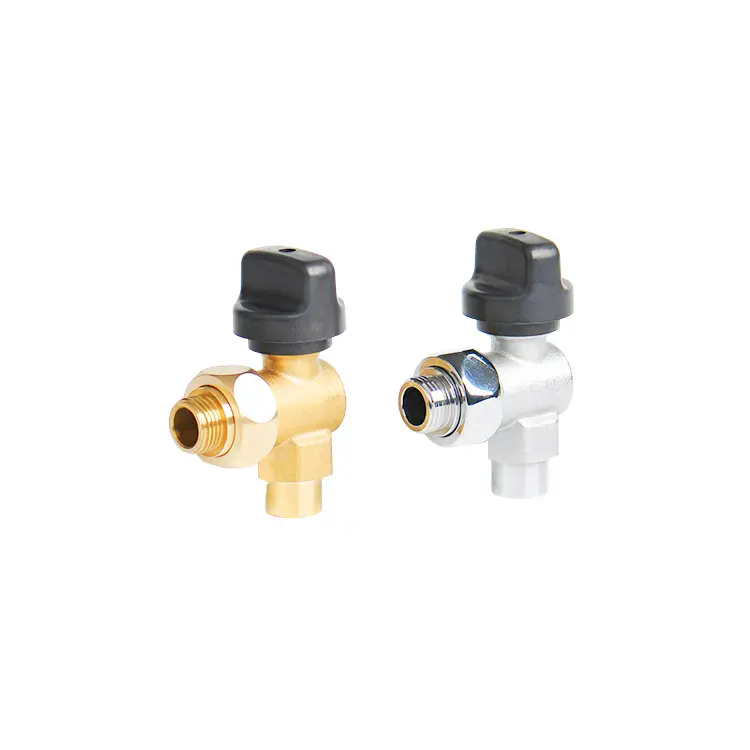
This article explains how a Threaded Connection Brass Ball Valve works, why its threaded structure and brass material offer practical advantages, what problems users often face during valve selection and operation, and how Huitong develops solutions to meet different application requirements. By understanding the design features, maintenance methods, and selection criteria, engineers and buyers can make better decisions when choosing a suitable ball valve.
Table of Contents
- How Does a Threaded Connection Brass Ball Valve Work?
- Key Structure and Components of a Brass Ball Valve
- Why Choose a Threaded Connection Brass Ball Valve?
- Common Applications of Threaded Connection Brass Ball Valves
- How to Select the Right Brass Ball Valve?
- Maintenance Tips for Long-Term Performance
- Why Choose Huitong as Your Valve Partner?
- Frequently Asked Questions
How Does a Threaded Connection Brass Ball Valve Work?
A Threaded Connection Brass Ball Valve controls fluid flow through a rotating spherical element called a ball. Inside the valve body, the ball contains a precisely machined opening. When the handle rotates 90 degrees, the opening aligns with the pipeline to allow fluid passage. When the handle turns back, the solid section of the ball blocks the flow path and creates a complete shut-off.
Compared with traditional valve designs that require multiple rotations, ball valves provide quick operation through a quarter-turn mechanism. This design reduces operating time and allows users to immediately identify whether the valve is open or closed according to the handle position.
The threaded connection design allows the valve to be directly installed onto compatible pipes with threaded ends. This eliminates the need for complex welding procedures and makes installation, replacement, and maintenance more convenient. Threaded ball valves are commonly selected for systems where flexibility and easy servicing are important.
| Feature | Function | User Benefit |
|---|---|---|
| Brass Body | Provides mechanical strength and corrosion resistance | Longer service life in demanding environments |
| Threaded Connection | Allows simple pipe installation | Reduces installation time and maintenance difficulty |
| Rotating Ball Design | Controls flow through quarter-turn movement | Fast and reliable shut-off operation |
| Sealing Components | Prevent leakage during operation | Improved system safety and efficiency |
Key Structure and Components of a Brass Ball Valve
Understanding the internal structure of a Threaded Connection Brass Ball Valve helps users evaluate quality and performance. Each component contributes to reliable operation and stable fluid control.
- Brass Valve Body: The main housing protects internal parts and provides durability against pressure and environmental conditions.
- Ball: The precision-machined ball controls fluid passage and directly affects sealing performance.
- Valve Stem: The stem transfers handle movement to the internal ball mechanism.
- Seats and Seals: These components create a tight barrier to reduce leakage risks.
- Handle: The handle provides manual control and indicates valve position.
A high-quality brass ball valve requires accurate machining, proper material selection, and strict quality inspection. Small manufacturing differences can influence sealing reliability, pressure resistance, and operating smoothness.
Why Choose a Threaded Connection Brass Ball Valve?
Many customers experience problems such as leakage, difficult installation, corrosion damage, and frequent replacement when using low-quality valves. A properly designed Threaded Connection Brass Ball Valve helps solve these challenges through durable construction and efficient operation.
1. Excellent Corrosion Resistance
Brass is widely used for valve manufacturing because it provides good resistance against corrosion in many water and fluid applications. Compared with some common metal materials, brass can maintain stable performance over extended service periods.
2. Easy Installation and Replacement
Threaded connections allow installers to quickly connect or remove the valve without specialized welding equipment. This is especially valuable for maintenance projects where reducing downtime is a priority.
3. Reliable Shut-Off Performance
The ball structure creates a direct flow path and provides effective sealing when closed. This helps minimize unwanted leakage and improves overall system efficiency.
4. Wide Range of Applications
Threaded Connection Brass Ball Valves are suitable for various fluids and operating environments, making them a practical choice for residential, commercial, and industrial systems.
Common Applications of Threaded Connection Brass Ball Valves
Due to their compact design and dependable performance, Threaded Connection Brass Ball Valves are used in many industries.
| Industry | Application |
|---|---|
| Plumbing Systems | Water supply lines, household pipelines, and maintenance shut-off points |
| HVAC Systems | Control of heating and cooling fluid circulation |
| Industrial Equipment | Fluid isolation and pipeline control |
| Agricultural Systems | Irrigation and water distribution systems |
| Gas Applications | Flow control systems requiring reliable shut-off solutions |
Different industries have different requirements regarding pressure ratings, connection standards, temperature ranges, and materials. Therefore, selecting the correct valve specification is essential for safe and efficient operation.
How to Select the Right Brass Ball Valve?
Choosing the correct valve requires careful consideration of several technical factors. The wrong selection may lead to poor performance, unnecessary maintenance costs, or system failures.
- Check Pipe Size: Ensure the valve connection size matches the existing pipeline.
- Confirm Thread Standard: Different regions may use different thread specifications.
- Evaluate Working Pressure: Select a valve suitable for the maximum operating pressure.
- Consider Fluid Type: Make sure the material and sealing components are compatible with the medium.
- Review Temperature Requirements: Operating temperature affects material performance and sealing reliability.
Professional valve manufacturers can provide technical guidance to help customers choose suitable products according to actual operating conditions.
Maintenance Tips for Long-Term Performance
Although Threaded Connection Brass Ball Valves are designed for durability, proper maintenance can further extend service life.
- Inspect valve connections regularly for signs of leakage.
- Avoid forcing the handle when abnormal resistance occurs.
- Keep external surfaces clean to reduce environmental damage.
- Operate the valve periodically if it remains unused for a long time.
- Replace damaged sealing components when necessary.
Regular inspection helps identify potential problems before they affect the entire fluid system.
Why Choose Huitong as Your Threaded Connection Brass Ball Valve Supplier?
Huitong focuses on providing dependable fluid control solutions designed for different market requirements. With professional manufacturing experience and strict quality management, Huitong develops brass valve products that emphasize durability, sealing performance, and practical installation.
From material selection and precision machining to product inspection, every production stage is carefully controlled to ensure stable quality. Huitong understands that customers need more than a valve product; they need a reliable solution that reduces maintenance problems and improves system performance.
Whether used for plumbing projects, industrial pipelines, HVAC systems, or customized applications, Huitong provides professional support to help customers select suitable Threaded Connection Brass Ball Valve solutions.
Frequently Asked Questions
What is the main advantage of a Threaded Connection Brass Ball Valve?
The main advantage is the combination of easy installation, reliable shut-off performance, corrosion-resistant brass construction, and convenient maintenance.
Can a brass ball valve be used for industrial applications?
Yes. Depending on the specifications and working conditions, brass ball valves can be used in many industrial fluid control systems.
How long can a Threaded Connection Brass Ball Valve last?
Service life depends on operating pressure, fluid characteristics, installation quality, and maintenance practices. High-quality valves can provide reliable performance for many years.
Why is threaded connection preferred in many projects?
Threaded connections simplify installation and replacement, making them suitable for systems where maintenance efficiency is important.
Conclusion
A Threaded Connection Brass Ball Valve is an important component for efficient and reliable fluid management. Its brass construction, threaded installation method, and quarter-turn operation make it a practical choice for many applications. By selecting a high-quality valve from an experienced manufacturer like Huitong, users can improve system reliability, reduce maintenance requirements, and achieve better long-term value.
For professional Threaded Connection Brass Ball Valve solutions, customized requirements, and reliable fluid control products, please contact Huitong today. Our team is ready to provide expert support and help you find the right valve solution. Contact us now for more information.