

How Does a Swing Motor Work and Why It Matters to Your Equipment?
2026-01-21
Article Summary
A swing motor is a critical component in hydraulic systems, especially in construction equipment such as excavators and cranes. This article explains what a swing motor is, how it works, common failure points, selection criteria, maintenance best practices, and how upgrading or replacing your swing motor can reduce downtime and operating costs. Readers will gain a clear understanding of operational mechanics, performance indicators, and practical solutions to extend the service life of their machinery. The content also highlights how Lano supports customers with high-quality swing motors and responsive service.
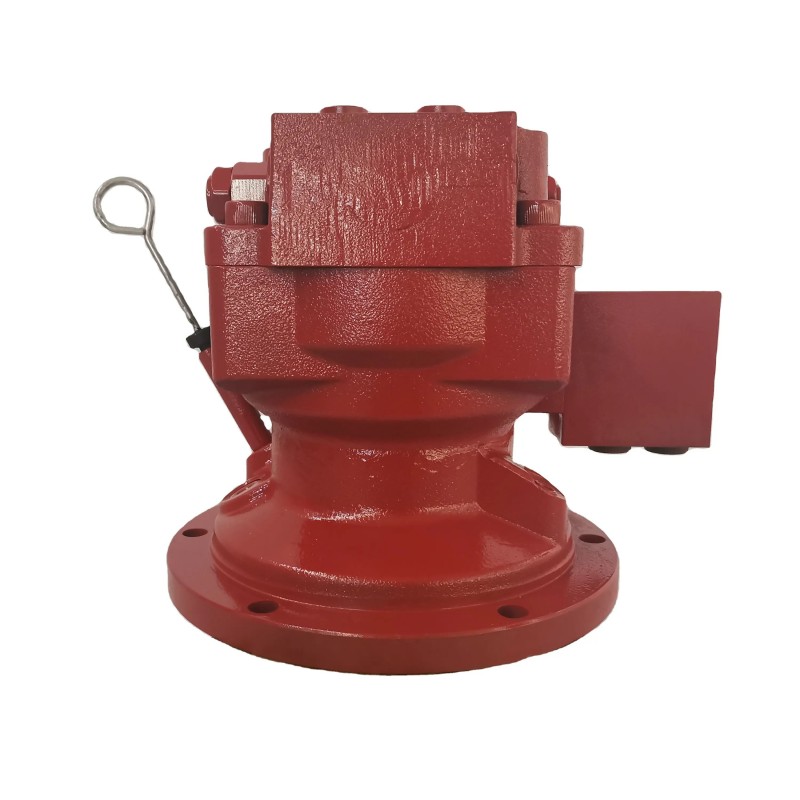
Table of Contents
- What Is a Swing Motor?
- How a Swing Motor Works
- Common Swing Motor Issues and Pain Points
- How to Choose the Right Swing Motor
- Maintenance Tips to Extend Service Life
- Benefits of High-Quality Swing Motors
- Frequently Asked Questions
- Final Thoughts
What Is a Swing Motor?
A swing motor is a type of hydraulic motor used in heavy machinery to produce rotational movement. It is most commonly found in the swing mechanism of excavators, cranes, and drilling equipment, where it drives the rotation of the upper structure relative to the undercarriage. Its primary role is to provide controlled, smooth rotation with the torque necessary to handle varying loads.
In practical terms, a swing motor converts hydraulic energy from the pump into mechanical energy, enabling the upper assembly of the machine to rotate. Because this movement directly affects positioning, precision and reliability are essential characteristics of a properly functioning swing motor.
How a Swing Motor Works
At a high level, a swing motor operates by pressurizing hydraulic fluid that moves internal components—typically gears or pistons—creating torque at the output shaft. The design varies by type, but the fundamental process involves converting fluid pressure into rotational force.
- Hydraulic Fluid Input: Pressurized oil enters the motor housing from the main hydraulic pump.
- Internal Actuation: Pistons, gears, or vanes respond to the fluid pressure, generating motion within the motor chamber.
- Torque Output: The internal motion is transferred to the output shaft, which turns the swing gear attached to the upper structure.
- Control Valves: Integrated control valves regulate speed and torque, ensuring smooth and responsive movement.
This mechanism allows operators to control swing speed and direction precisely, which is crucial during tasks such as digging, loading, or placing materials.
Common Swing Motor Issues and Pain Points
Owners and operators encounter several recurring problems with swing motors. These issues often cause machine downtime, reduced performance, and increased repair expenses.
| Issue | Typical Cause | Impact on Equipment |
|---|---|---|
| Leakage | Seal wear, damaged O-rings | Loss of pressure, reduced torque |
| Overheating | Poor lubrication, high load cycles | Component wear, premature failure |
| Noisy Operation | Worn bearings, cavitation | Operator discomfort, possible internal damage |
| Inefficient Rotation | Improper motor sizing | Poor swing control, slower cycle times |
The above conditions often have a cascading effect: a minor seal leak can lead to pressure loss, which increases cycle time and reduces productivity. Addressing these problems early is more cost-effective than dealing with full motor failure.
How to Choose the Right Swing Motor
Selecting an appropriate swing motor requires evaluating application demands, machine specifications, and performance expectations. The following criteria help ensure optimal performance:
- Torque Requirements: Ensure the motor delivers sufficient torque for the application load without strain.
- Rotation Speed: Match the motor’s rated speed to the operation’s typical cycle requirements.
- Mounting Compatibility: Confirm the motor’s flange, shaft, and housing align with your equipment’s design.
- Hydraulic System Pressure: Choose a motor rated for the system’s maximum operating pressure.
- Environmental Conditions: Consider exposure to dust, moisture, or extreme temperatures when selecting seals and protective features.
Comprehensive specification matching reduces wear, improves control precision, and lengthens service intervals. When in doubt, consult with technical specialists to confirm compatibility.
Maintenance Tips to Extend Service Life
Routine and proactive maintenance of a swing motor enhances reliability and minimizes the risk of unplanned breakdowns. The following best practices are widely recommended:
- Hydraulic Fluid Quality: Use manufacturer-approved fluid and replace it on a regular schedule. Contaminated fluid accelerates wear.
- Filter Checks: Inspect and replace filters routinely to prevent debris from entering the motor.
- Seal Inspection: Examine seals during service intervals and replace any worn or damaged components promptly.
- Temperature Monitoring: Track operating temperatures to detect overheating early. Install sensors or alarms if necessary.
- Vibration Checks: Excess vibration often indicates alignment issues or internal wear that should be addressed immediately.
Consistent maintenance not only prevents failures but also maintains operational efficiency, leading to lower total cost of ownership.
Benefits of High-Quality Swing Motors
Investing in a high-quality swing motor yields measurable advantages for machine owners and operators. These benefits impact both short-term performance and long-term operational costs:
- Enhanced Reliability: Premium components and precision manufacturing reduce the likelihood of sudden failure.
- Smoother Operation: Better control and responsiveness improve operator confidence and task accuracy.
- Extended Lifespan: Superior materials and design resist wear, lowering the frequency of replacements.
- Lower Maintenance Costs: Fewer breakdowns and longer service intervals translate into cost savings.
When paired with professional support and responsive service, quality swing motors can significantly improve machine uptime and overall productivity.
Frequently Asked Questions
- What differentiates a swing motor from other hydraulic motors?
- A swing motor is designed specifically for rotational movement in swing mechanisms, often with higher torque and integrated control valves tailored to precise positional requirements.
- How often should I service a swing motor?
- Service frequency depends on machine usage, environment, and manufacturer recommendations. As a rule, inspect fluid and seals at every major service interval and perform a full check annually.
- Can I repair a worn swing motor instead of replacing it?
- Many swing motors can be overhauled if internal damage is limited. However, extensive wear or repeated failures may justify a replacement to ensure reliability.
- What causes a swing motor to overheat?
- Overheating typically results from poor lubrication, excessive load cycles, or restricted fluid flow. Proper maintenance and correct motor sizing are key to preventing heat buildup.
- Why does rotation become uneven or jerky?
- Uneven rotation can stem from internal component wear, cavitation in the hydraulic fluid, or misalignment with the swing gear. Addressing fluid quality and mechanical alignment often resolves the issue.
Final Thoughts
Understanding how a swing motor works and how to maintain it effectively can make a tangible difference in equipment performance and operational cost. Owners who prioritize component quality and regular maintenance see fewer breakdowns and longer service life from their machines. Lano offers robust swing motor solutions backed by technical expertise, helping you keep your equipment operating reliably in demanding conditions.
If you have questions about selecting or servicing a swing motor, or need tailored support for your machinery, contact us to discuss your requirements and explore how Lano can support your operational needs.