

How Does a Static Balancing Valve Improve Hydronic System Efficiency?
2026-03-17
Article Summary: Static balancing valves are essential components in hydronic heating and cooling systems, ensuring precise flow distribution across all circuits. This article explains how static balancing valves function, their technical advantages, common customer pain points they solve, and how to select and maintain them effectively.
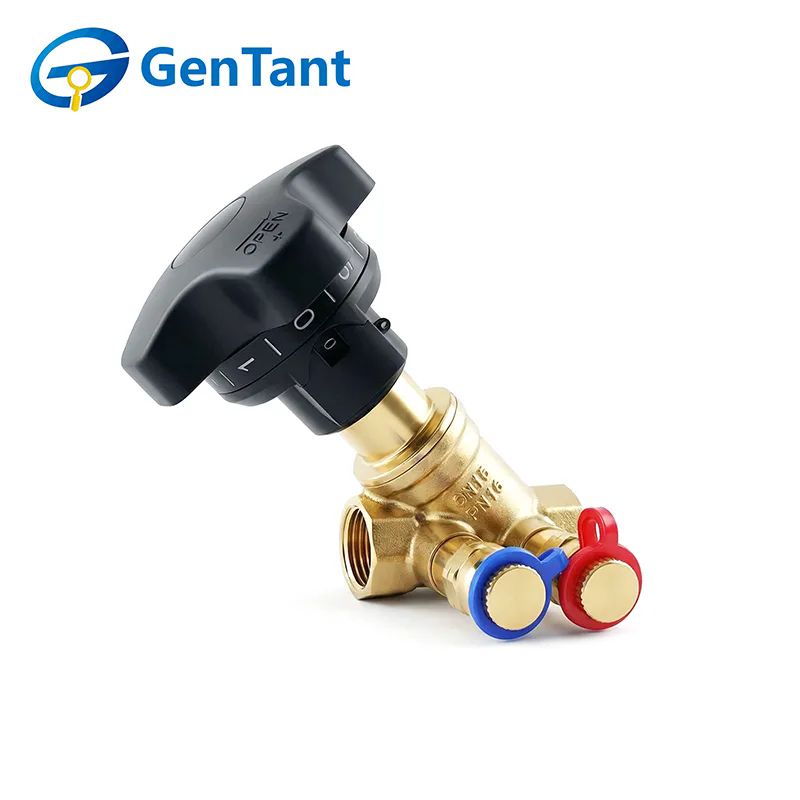
Table of Contents
- 1. Overview of Static Balancing Valve
- 2. Working Principle
- 3. Common System Problems Solved
- 4. Key Features and Benefits
- 5. Technical Parameters
- 6. How to Select the Right Valve
- 7. Installation and Commissioning
- 8. Maintenance Tips
- 9. Frequently Asked Questions
- 10. Conclusion
1. Overview of Static Balancing Valve
A static balancing valve is a mechanical device used in hydronic systems to regulate and maintain a predetermined flow rate through different branches of piping networks. Unlike dynamic valves, it does not automatically adjust to pressure changes but is manually set during system commissioning.
These valves are widely used in:
- HVAC systems in commercial buildings
- District heating networks
- Industrial cooling systems
- Residential hydronic heating
Proper balancing ensures that each terminal unit receives the correct flow, avoiding energy waste and performance inefficiencies.
2. Working Principle
The static balancing valve operates based on flow resistance adjustment. By modifying the valve opening, it introduces a calibrated pressure drop that aligns flow rates with system design specifications.
Core mechanism:
- Manual adjustment of valve opening
- Measurement ports for differential pressure
- Flow rate calculated via pressure drop
Technicians use measurement instruments to read differential pressure across the valve and adjust it accordingly to achieve the desired flow.
3. Common System Problems Solved
Many hydronic systems suffer from uneven flow distribution. Static balancing valves directly address these challenges:
- Uneven heating or cooling: Some areas are too hot while others remain cold
- Excessive energy consumption: Pumps operate at higher loads due to imbalance
- Noise issues: High flow velocity causes pipe vibration
- Difficult commissioning: Lack of flow control complicates system setup
By stabilizing flow rates, these valves ensure consistent system performance and user comfort.
4. Key Features and Benefits
- Precise manual flow regulation
- Integrated measurement ports for accuracy
- Durable construction for long service life
- Simple design with low failure rate
- Cost-effective compared to dynamic solutions
Benefits include:
- Improved energy efficiency
- Reduced operational costs
- Enhanced system stability
- Long-term reliability
5. Technical Parameters
| Parameter | Description |
| Nominal Diameter (DN) | DN15 – DN300 |
| Pressure Rating | PN16 / PN25 |
| Temperature Range | -10°C to 120°C |
| Material | Brass / Ductile Iron / Stainless Steel |
| Connection Type | Threaded / Flanged |
| Flow Accuracy | ±5% |
6. How to Select the Right Valve
Selecting the correct static balancing valve requires careful evaluation of system requirements.
Key considerations:
- Flow rate requirements: Ensure valve capacity matches system design
- Pipe size compatibility: Match DN size accurately
- Pressure conditions: Choose appropriate pressure rating
- Material suitability: Consider fluid type and corrosion resistance
- Installation space: Ensure sufficient room for operation and maintenance
Working with a reliable manufacturer such as GenTant ensures access to consistent quality and technical support.
7. Installation and Commissioning
Correct installation is critical for achieving optimal performance.
Installation steps:
- Install valve in correct flow direction
- Ensure straight pipe sections before and after the valve
- Avoid installing near pumps or bends
- Use proper sealing techniques
Commissioning process:
- Measure differential pressure using test ports
- Adjust valve opening gradually
- Verify flow rate against design values
- Lock valve position after adjustment
8. Maintenance Tips
Static balancing valves require minimal maintenance but periodic checks are recommended.
- Inspect for leaks or corrosion
- Verify measurement port functionality
- Recheck flow settings during system upgrades
- Clean internal components if blockage occurs
Routine maintenance extends service life and maintains system efficiency.
9. Frequently Asked Questions
Q1: What is the difference between static and dynamic balancing valves?
Static valves require manual adjustment and remain fixed, while dynamic valves automatically adapt to pressure changes to maintain constant flow.
Q2: Can static balancing valves reduce energy costs?
Yes, by ensuring proper flow distribution, they reduce pump workload and prevent energy waste caused by system imbalance.
Q3: Are static balancing valves suitable for large systems?
They are suitable for both small and large systems, especially where operating conditions remain stable and predictable.
Q4: How often should the valve be adjusted?
Adjustment is typically required during initial commissioning or after significant system modifications.
10. Conclusion
Static balancing valves play a critical role in optimizing hydronic system performance. By enabling precise flow control, they solve common inefficiencies such as uneven distribution, high energy consumption, and operational instability. Their simple design, reliability, and cost-effectiveness make them a preferred solution in many applications.
GenTant provides high-quality static balancing valves designed to meet demanding industrial and commercial requirements. For detailed product specifications and tailored solutions, visit the official product page or contact the team directly.
Looking to improve your system efficiency and reduce operational costs? Contact us today to get expert support and customized solutions for your project.