

How Does a Single Disc Check Valve Operate and What Are Its Applications?
2026-01-07
Abstract: Single Disc Check Valves are critical components in fluid systems, designed to prevent backflow and maintain operational efficiency. This article provides a comprehensive overview of Single Disc Check Valves, detailing specifications, applications, and answering the most common questions encountered by engineers and system operators. The focus is on practical guidance and technical clarity to help businesses select and maintain these valves effectively.
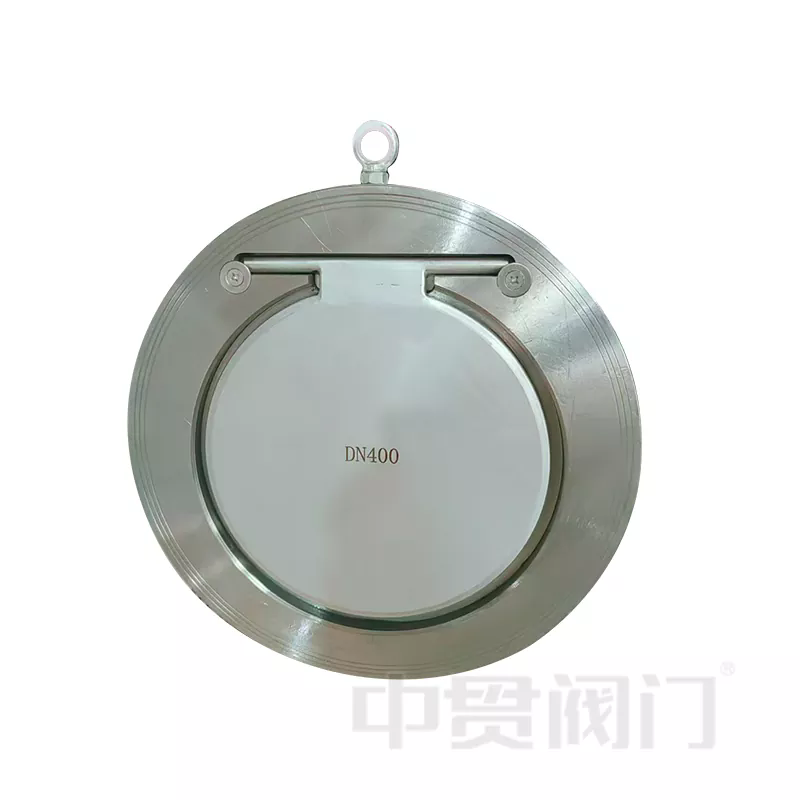
Table of Contents
- Introduction to Single Disc Check Valves
- Technical Specifications
- Common Questions About Single Disc Check Valves
- Applications and Industry Use
- Brand Information and Contact
Introduction to Single Disc Check Valves
Single Disc Check Valves, often referred to as swing check valves, are designed to allow fluid flow in one direction and automatically prevent reverse flow. They are widely used in pipelines for water, gas, oil, and chemical industries to ensure system safety and efficiency.
The main purpose of this article is to explore how Single Disc Check Valves function, provide clear specifications for industrial applications, address frequently asked questions, and guide users on effective implementation.
Technical Specifications
The following table presents a detailed overview of standard Single Disc Check Valve parameters:
| Parameter | Specification |
|---|---|
| Material | Stainless Steel (304/316), Carbon Steel, Bronze |
| Size Range | DN15 - DN600 (½" - 24") |
| Pressure Rating | PN10 - PN40 / 150-300 PSI |
| Temperature Range | -20°C to 220°C (-4°F to 428°F) |
| End Connection | Flanged, Threaded, Welded |
| Seal Type | Metal-to-Metal / PTFE |
| Standards | API 6D, ANSI, ISO 9001 Compliant |
These specifications ensure compatibility with a wide range of industrial processes and provide reliable performance under varying pressures and temperatures.
Common Questions About Single Disc Check Valves
1. How does a Single Disc Check Valve prevent backflow?
The valve utilizes a hinged disc that swings open when fluid flows in the intended direction. If the flow reverses, the disc automatically swings back to the seat, creating a tight seal that prevents backflow, thereby protecting pumps, compressors, and pipelines from damage.
2. How should a Single Disc Check Valve be installed?
Correct installation requires the valve to be oriented in line with the flow direction indicated by an arrow on the body. It should be installed horizontally or vertically according to manufacturer guidelines, with enough straight pipe lengths upstream and downstream to avoid turbulence, ensuring optimal performance and longevity.
3. How is maintenance performed on a Single Disc Check Valve?
Maintenance typically involves periodic inspection of the disc, hinge, and seat. Cleaning or replacement may be required if deposits or wear are detected. Regular maintenance schedules and adherence to operating pressure and temperature limits will extend the service life and ensure reliable operation.
Applications and Industry Use
Single Disc Check Valves are applied across multiple sectors due to their simple design and effective performance:
- Water Supply Systems: Prevent backflow in municipal and industrial water pipelines.
- Oil & Gas Industry: Maintain directional flow in pipelines transporting crude oil, natural gas, or refined products.
- Chemical Processing: Ensure safe and efficient handling of corrosive or hazardous liquids.
- HVAC Systems: Protect pumps and compressors by controlling flow direction.
- Power Plants: Prevent reverse flow in steam, cooling, and condensate systems.
Proper selection of valve material, size, and pressure rating is critical to match the specific demands of each application.
Brand Information and Contact
Zhongguan Valve is a leading manufacturer and supplier of high-quality Single Disc Check Valves, renowned for its commitment to reliability, precision, and global standards compliance. Their product line covers a comprehensive range of industrial valves designed to meet stringent performance requirements.
For more information on product specifications, availability, and industry applications, contact us today to consult with our technical team.