Article Summary
A pneumatic actuator is a key component widely used in industrial automation systems to convert compressed air energy into mechanical motion.
From valve control in process industries to automated production equipment, pneumatic actuators help improve operational efficiency, reliability, and safety.
However, many users face challenges such as slow response, incorrect actuator selection, maintenance difficulties, and unstable performance.
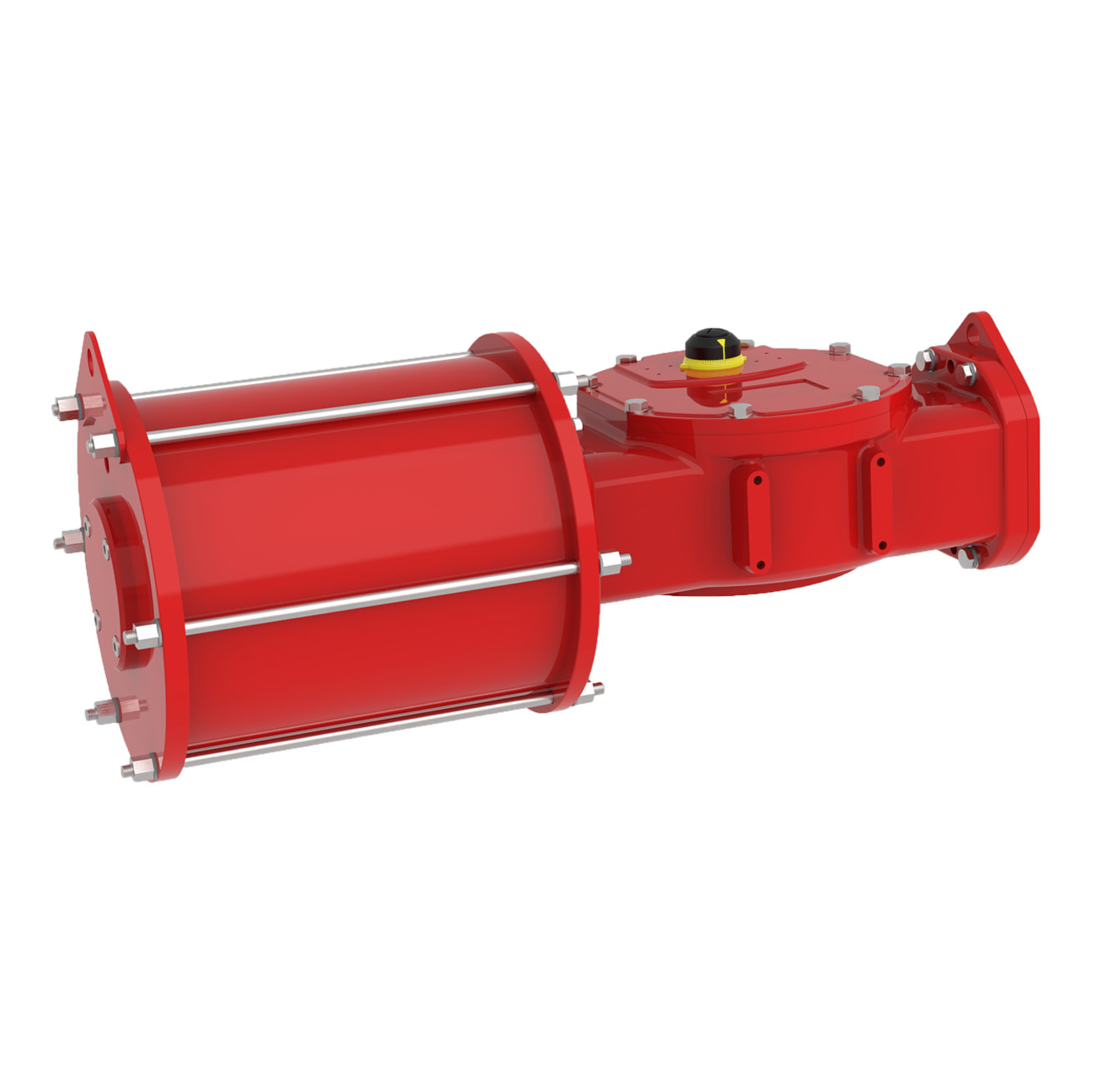
This article explains how pneumatic actuators work, their main advantages, selection considerations, applications, and solutions to common industrial challenges.
With professional manufacturing experience, Taizhou Juhang Automation Equipement Technology Co.,Ltd. provides reliable pneumatic actuator solutions designed to meet different automation requirements.
Article Outline
-
Understanding the basic structure and operating principle of pneumatic actuators
-
Analyzing how pneumatic actuators solve automation challenges
-
Exploring industrial applications and performance benefits
-
Learning how to select, install, and maintain suitable actuator systems
-
Answering common questions from industrial users
What Is a Pneumatic Actuator?
A pneumatic actuator is a mechanical device that uses compressed air to generate linear or rotary movement.
It plays an important role in automation systems by controlling valves, dampers, switches, and other mechanical components.
Unlike electric actuators that depend on motors and electrical power, pneumatic actuators use air pressure as their energy source.
This design provides fast movement, simple structure, and reliable operation, making them suitable for demanding industrial environments.
Modern pneumatic actuators are commonly designed with high-quality materials, precision machining technology, and optimized internal structures.
These improvements allow them to deliver stable performance even under frequent operation conditions.
|
Component
|
Function
|
|
Air Chamber
|
Stores compressed air and generates pressure force
|
|
Piston or Gear Mechanism
|
Converts air pressure into mechanical movement
|
|
Housing
|
Protects internal components and improves durability
|
|
Control Interface
|
Connects actuator operation with automation systems
|
How Does a Pneumatic Actuator Work?
The working principle of a pneumatic actuator is based on compressed air conversion. When compressed air enters the actuator chamber,
the generated pressure pushes internal components to create movement.
For rotary pneumatic actuators, the air pressure drives a piston mechanism or rack-and-pinion structure to produce rotational motion.
These actuators are often used for quarter-turn valves such as butterfly valves and ball valves.
For linear pneumatic actuators, compressed air pushes a piston along a straight path. This type is commonly applied in automation machinery,
packaging equipment, and material handling systems.
-
Compressed air enters the actuator chamber.
-
Air pressure creates force on the internal piston or mechanism.
-
The actuator converts pressure energy into mechanical movement.
-
The connected equipment completes the required automation action.
This simple energy conversion process allows pneumatic actuators to achieve fast response times while maintaining a compact structure.
What Advantages Does a Pneumatic Actuator Bring?
Industrial users choose pneumatic actuators because they provide multiple benefits compared with traditional mechanical control solutions.
|
Advantage
|
Industrial Benefit
|
|
Fast Operation Speed
|
Improves production efficiency and reduces cycle time
|
|
Simple Structure
|
Makes installation and maintenance easier
|
|
High Safety
|
Suitable for environments requiring explosion resistance
|
|
Reliable Performance
|
Supports continuous industrial operation
|
|
Low Maintenance Requirements
|
Reduces long-term operating costs
|
For industries that require frequent opening and closing operations, pneumatic actuators provide a practical balance between speed,
durability, and cost efficiency.
How to Choose the Right Pneumatic Actuator?
Selecting an unsuitable pneumatic actuator may result in poor performance, increased maintenance frequency, or unnecessary energy consumption.
Before purchasing, users should consider several important factors.
-
Required Torque: Ensure the actuator can provide enough force for the connected valve or equipment.
-
Operating Pressure: Check whether the actuator matches the available compressed air supply.
-
Working Environment: Consider temperature, humidity, corrosion, and dust conditions.
-
Control Requirements: Select suitable accessories according to automation system needs.
-
Service Life: Choose products designed for frequent operation and long-term reliability.
Taizhou Juhang Automation Equipement Technology Co.,Ltd. focuses on developing pneumatic actuator products that support various industrial automation applications.
Professional design and manufacturing processes help customers achieve stable and efficient equipment control.
Where Are Pneumatic Actuators Used?
Pneumatic actuators are widely applied across different industries because of their flexibility and dependable performance.
|
Industry
|
Application Examples
|
|
Water Treatment
|
Valve automation and flow control systems
|
|
Chemical Industry
|
Pipeline control and process automation
|
|
Food Processing
|
Hygienic production equipment control
|
|
Manufacturing
|
Assembly lines and automated machinery
|
|
Energy Industry
|
Industrial valve operation systems
|
Common Problems and Solutions for Pneumatic Actuators
|
Common Issue
|
Possible Cause
|
Solution
|
|
Slow Movement
|
Insufficient air pressure or improper adjustment
|
Check air supply and optimize settings
|
|
Air Leakage
|
Damaged seals or loose connections
|
Replace sealing parts and inspect fittings
|
|
Reduced Torque
|
Incorrect actuator sizing
|
Select a suitable actuator model
|
|
Unstable Operation
|
Contaminated air supply
|
Improve filtration and maintenance procedures
|
How to Maintain Pneumatic Actuators for Long-Term Performance?
Proper maintenance helps extend actuator service life and prevents unexpected downtime.
-
Regularly check air pressure stability.
-
Inspect seals and connection points for leakage.
-
Keep compressed air clean and properly filtered.
-
Lubricate moving parts according to manufacturer recommendations.
-
Replace worn components before failure occurs.
A preventive maintenance plan can significantly improve equipment reliability and reduce production interruptions.
Frequently Asked Questions About Pneumatic Actuators
Q1: What is the main purpose of a pneumatic actuator?
A pneumatic actuator converts compressed air energy into mechanical movement to operate valves and automated equipment.
Q2: Are pneumatic actuators suitable for continuous operation?
Yes. Properly selected pneumatic actuators can support frequent operation in industrial automation systems.
Q3: What factors affect pneumatic actuator performance?
Air quality, operating pressure, actuator size, installation conditions, and maintenance practices all influence performance.
Q4: Why choose Taizhou Juhang Automation Equipement Technology Co.,Ltd.?
The company provides reliable pneumatic actuator solutions with professional manufacturing capabilities and attention to product performance,
helping customers improve automation efficiency.
Conclusion
Pneumatic actuators play an essential role in modern industrial automation by providing fast, reliable, and efficient motion control.
Understanding their working principles, advantages, selection methods, and maintenance requirements helps businesses avoid common problems
and achieve better production performance.
With advanced technology and industry-focused solutions, Taizhou Juhang Automation Equipement Technology Co.,Ltd. continues to support customers
seeking dependable pneumatic actuator products for different automation applications.
If you are looking for professional pneumatic actuator solutions tailored to your industrial requirements, please contact us today.
Our team is ready to provide reliable products and technical support to help improve your automation systems.