

How Does a Non-Rising Stem Gate Valve Work?
2026-03-16
Article Summary
Non-Rising Stem Gate Valves are widely used in water supply systems, industrial pipelines, fire protection networks, and underground installations. Many engineers and procurement managers face common challenges when selecting valves for limited installation spaces, corrosion-prone environments, or long-term reliability requirements. This article explains how a Non-Rising Stem Gate Valve works, its structure, advantages, common applications, and key selection factors. Clear tables, structured sections, and practical explanations help readers understand why this valve design is often chosen for compact pipeline systems.
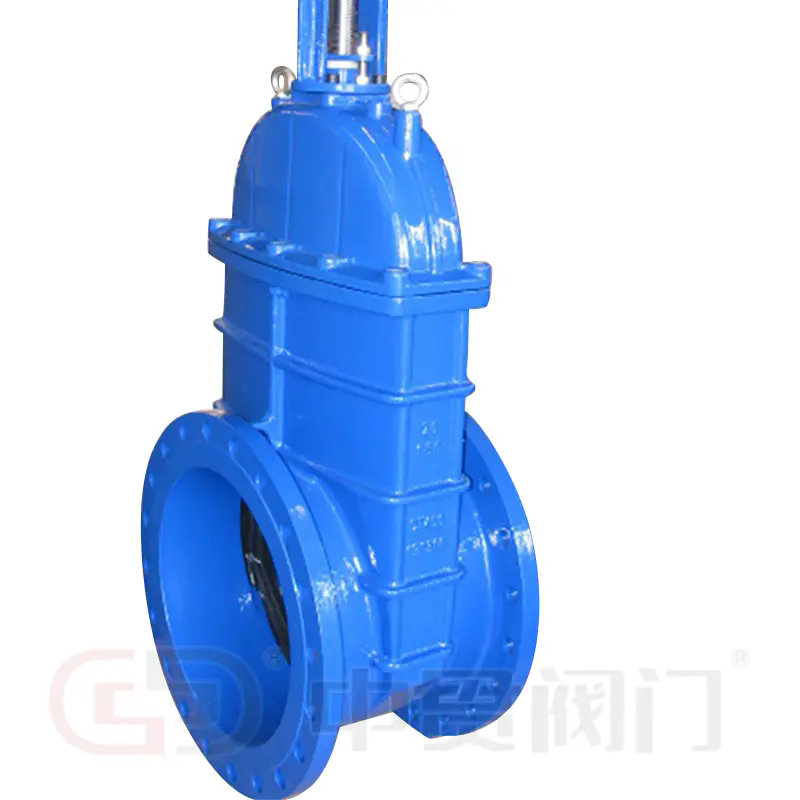
Table of Contents
- Introduction to Non-Rising Stem Gate Valves
- How a Non-Rising Stem Gate Valve Works
- Main Components and Structural Design
- Key Technical Parameters
- Advantages of Non-Rising Stem Gate Valves
- Typical Applications
- Selection Considerations
- Common Installation and Maintenance Issues
- Frequently Asked Questions
- Conclusion
Introduction to Non-Rising Stem Gate Valves
Gate valves are among the most widely used shut-off valves in pipeline systems. Their primary function is to allow or stop the flow of liquids by lifting or lowering a gate inside the valve body. A Non-Rising Stem Gate Valve is a specific type of gate valve in which the stem rotates to move the gate but does not move upward externally.
Unlike rising stem valves, the stem threads remain inside the valve body. This design allows the valve to operate within limited vertical space, making it ideal for underground pipelines, water distribution systems, and confined mechanical rooms.
Because the stem does not rise above the handwheel during operation, the overall height of the valve remains constant. This feature provides significant installation advantages in areas where space is restricted.
How a Non-Rising Stem Gate Valve Works
The operating principle of a Non-Rising Stem Gate Valve is based on rotational motion. When the handwheel is turned, the stem rotates within the valve body, causing the internal gate to move vertically along the threaded stem.
The working process can be summarized in several steps:
- The operator rotates the handwheel.
- The stem rotates but does not move upward or downward externally.
- The internal threads of the gate engage with the stem.
- As the stem rotates, the gate moves vertically.
- The gate either lifts to allow flow or lowers to block the pipeline.
When the gate is fully raised, the flow path becomes straight and unobstructed, minimizing pressure loss. When fully lowered, the gate seals tightly against the valve seats to stop the flow completely.
This simple mechanical motion ensures reliable operation and minimal turbulence within the pipeline system.
Main Components and Structural Design
A Non-Rising Stem Gate Valve consists of several key components working together to ensure proper sealing and smooth operation.
| Component | Description |
| Valve Body | The main pressure-containing structure that houses all internal components. |
| Gate | A wedge or parallel disc that moves vertically to open or close the flow path. |
| Stem | Rotating shaft that drives the gate through internal threads. |
| Bonnet | The upper part of the valve that seals the stem and internal components. |
| Seat Rings | Sealing surfaces that ensure tight shutoff when the gate closes. |
| Handwheel | Manual control component used to rotate the stem. |
| Packing | Sealing material that prevents leakage around the stem. |
These components work together to maintain pressure resistance, sealing integrity, and mechanical durability during long-term operation.
Key Technical Parameters
When selecting a Non-Rising Stem Gate Valve, engineers typically evaluate several technical parameters to ensure compatibility with the pipeline system.
| Parameter | Typical Range |
| Nominal Diameter | DN50 – DN1200 |
| Pressure Rating | PN10 / PN16 / PN25 |
| Body Material | Cast Iron, Ductile Iron, Carbon Steel |
| Sealing Material | Rubber, Stainless Steel, Bronze |
| Connection Type | Flanged or Socket |
| Temperature Range | -10°C to 120°C |
Manufacturers such as Zhongguan typically offer multiple material options and pressure classes to meet different industrial requirements.
Advantages of Non-Rising Stem Gate Valves
This valve design provides several advantages that make it popular in municipal infrastructure and industrial applications.
-
Compact Installation Height
The stem does not extend upward, making it ideal for underground pipelines and confined spaces. -
Better Protection from External Damage
Since the stem remains inside the valve body, it is less exposed to environmental damage. -
Lower Installation Clearance Requirements
Equipment rooms or buried pipelines benefit from reduced vertical clearance needs. -
Smooth Flow Path
When fully open, the valve provides minimal flow resistance. -
Reliable Sealing Performance
Gate valves provide tight shutoff when properly maintained.
These advantages make non-rising stem designs particularly suitable for water distribution networks and fire protection systems.
Typical Applications
Non-Rising Stem Gate Valves are commonly used across a wide range of industries.
- Municipal water supply pipelines
- Underground infrastructure systems
- Fire protection networks
- Industrial water circulation systems
- Wastewater treatment plants
- Power plant cooling pipelines
Their ability to operate in tight spaces makes them especially valuable in buried pipeline systems where rising stems would require additional vertical clearance.
Selection Considerations
Selecting the right valve involves more than simply matching pipe diameter. Engineers must consider several operational factors.
- Operating pressure and temperature
- Corrosion resistance requirements
- Pipeline medium (water, wastewater, chemicals)
- Installation environment (underground or indoor)
- Maintenance accessibility
Working with an experienced manufacturer such as Zhongguan helps ensure the valve design matches both the pipeline conditions and long-term operational expectations.
Common Installation and Maintenance Issues
Although Non-Rising Stem Gate Valves are durable, improper installation or maintenance may lead to operational problems.
- Debris accumulation around the gate
- Packing leakage around the stem
- Seat wear due to repeated operation
- Improper torque applied to the handwheel
Routine inspection and periodic lubrication of internal threads can significantly extend the valve's service life.
Frequently Asked Questions
Q1: What is the difference between a rising stem and non-rising stem gate valve?
A rising stem valve lifts the stem upward when opening, providing a visible indication of valve position. A non-rising stem valve keeps the stem stationary externally while the gate moves internally.
Q2: Why are non-rising stem gate valves used underground?
Their constant height allows installation in buried pipelines or valve boxes where vertical space is limited.
Q3: Can non-rising stem valves handle high pressure?
Yes. When designed with proper materials and pressure ratings, these valves can operate in medium to high-pressure pipeline systems.
Q4: How often should the valve be maintained?
Inspection schedules depend on operating conditions, but many systems perform annual inspections to ensure sealing and smooth operation.
Conclusion
Understanding how a Non-Rising Stem Gate Valve works helps engineers and procurement teams make better decisions for pipeline systems that require reliable shutoff performance within limited installation space. Its compact structure, smooth flow characteristics, and durable sealing design make it a practical solution for municipal infrastructure and industrial pipelines.
As an experienced valve manufacturer, Zhongguan provides high-quality Non-Rising Stem Gate Valves designed for long service life and stable performance in demanding environments.
If you are planning a new pipeline project or upgrading existing equipment, choosing the right valve is critical for operational safety and efficiency. Contact us today to learn more about our valve solutions and receive professional technical support for your application.