

How Does a Non-Return Flap Design Swing Check Valve Improve Flow Control?
2026-10-15
A reliable fluid control system depends on maintaining the correct flow direction, preventing reverse flow, and protecting essential pipeline equipment. In industrial applications where fluid backflow can cause equipment damage, operational instability, or unnecessary maintenance costs, selecting the right check valve is essential. A Non-Return Flap Design Swing Check Valve offers a practical solution by allowing fluid to flow in the intended direction while automatically closing when reverse flow occurs. Its flap-based mechanism supports efficient pipeline operation across various industrial environments. Zhejiang Zhongguan Valve Manufacture Co., Ltd. provides valve solutions for industrial fluid control applications, helping buyers identify suitable products for their pipeline requirements.
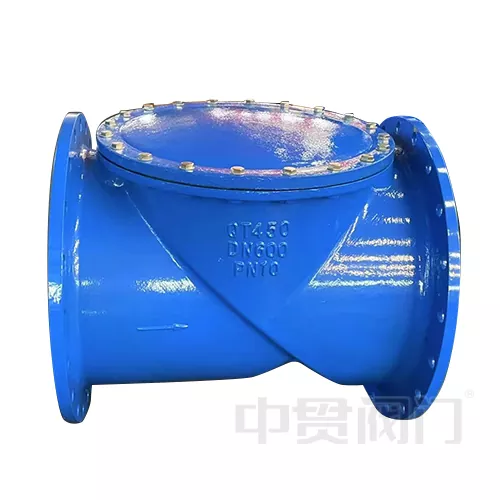
What Is a Non-Return Flap Design Swing Check Valve?
A Non-Return Flap Design Swing Check Valve is a type of automatic check valve designed to prevent fluid from flowing backward through a pipeline. Unlike manually operated valves, it generally works through the pressure and movement of the flowing medium, without requiring an external actuator for normal operation.
When fluid moves in the forward direction, the pressure pushes the flap open, allowing the medium to pass through the valve. When the flow slows, stops, or reverses, the flap swings back toward its seat, restricting reverse flow.
This operating principle makes the valve suitable for systems where automatic backflow prevention is required.
Main Components and Their Functions
A typical swing check valve includes several essential components:
-
Valve body: Forms the pressure-containing structure and provides the flow passage.
-
Flap or disc: Opens under forward-flow pressure and moves toward the seat when flow decreases or reverses.
-
Hinge or pivot mechanism: Allows the flap to swing between open and closed positions.
-
Valve seat: Provides the contact surface that helps restrict reverse flow.
-
Cover and sealing components: Support maintenance access and contribute to pressure containment and sealing performance.
The exact construction, materials, dimensions, and sealing arrangement depend on the specific valve model and application.
How Does the Flap Mechanism Improve Pipeline Performance?
The primary advantage of a Non-Return Flap Design Swing Check Valve is its ability to respond automatically to changing flow conditions. This function helps maintain more stable pipeline operation without continuous manual intervention.
1. Prevents Reverse Flow
Backflow can create serious problems in pumping systems, water distribution networks, and industrial process lines. It may force fluid back toward pumps, disturb upstream pressure, or introduce unwanted contamination into a system.
The swing flap moves toward the closed position when reverse flow develops. By limiting this movement of fluid in the wrong direction, the valve helps protect upstream equipment and maintain the intended flow path.
Actual leakage prevention depends on valve design, seat condition, operating pressure, and the characteristics of the flowing medium.
2. Supports Efficient Fluid Movement
When the valve is correctly sized and installed, its open flap can provide a relatively direct flow passage. This may help reduce unnecessary flow resistance compared with some alternative valve configurations.
Lower pressure loss can contribute to improved pumping efficiency and reduced operating costs. However, actual performance depends on the valve's internal geometry, flow rate, installation orientation, and system conditions.
3. Reduces Manual Intervention
Because the valve responds automatically to fluid pressure and flow direction, operators generally do not need to open or close it manually during normal operation.
This simplifies routine system operation and makes the valve useful in installations where continuous flow monitoring and automatic backflow prevention are important.
4. Helps Protect Pipeline Equipment
Reverse flow may expose pumps, compressors, meters, and other pipeline components to undesirable operating conditions. A properly selected swing check valve helps reduce these risks by limiting reverse fluid movement.
It should be considered part of an overall pipeline protection strategy rather than a substitute for other necessary safety and pressure-control devices.
Where Is a Non-Return Flap Design Swing Check Valve Used?
The versatility of swing check valve designs makes them relevant to multiple industrial sectors. Nevertheless, the valve material, pressure rating, temperature limits, and sealing requirements must match the actual service conditions.
| Application | Main Function | Important Selection Factor |
|---|---|---|
| Water supply systems | Helps prevent reverse water flow | Pressure rating and corrosion resistance |
| Industrial pumping stations | Reduces backflow toward pumps | Closing response and flow conditions |
| Wastewater treatment | Controls reverse flow in process pipelines | Medium compatibility and solids content |
| Industrial process systems | Maintains the intended flow direction | Chemical compatibility and temperature |
| HVAC and circulation systems | Supports one-way fluid circulation | Flow rate and system pressure loss |
| General industrial pipelines | Helps protect upstream equipment | Connection type and operating conditions |
For demanding applications, buyers should also assess whether the valve can handle suspended particles, fluctuating flow, frequent starts and stops, and potential pressure surges.
Why Is Correct Valve Selection Important?
Choosing the wrong check valve can result in excessive pressure loss, incomplete closure, premature wear, or damaging water hammer. A Non-Return Flap Design Swing Check Valve should therefore be selected according to engineering requirements rather than price alone.
Key Factors to Evaluate Before Purchasing
1. Pipeline size and connection type
Confirm the nominal diameter, connection standard, and available installation space. The valve should integrate properly with the existing pipeline.
2. Operating pressure and temperature
Verify that the valve's rated pressure and temperature ranges are suitable for both normal operation and foreseeable operating variations.
3. Valve body and sealing materials
Carbon steel, stainless steel, cast iron, and other materials may be suitable for different applications. The final choice depends on the medium, corrosion risk, temperature, pressure, and applicable standards. Seat materials must also be compatible with the operating environment.
4. Flow rate and closing characteristics
A valve must operate reliably at the expected flow rate. If the flap closes too slowly under certain conditions, reverse flow may develop before closure. If operating conditions are unsuitable, repeated movement may cause wear or contribute to pressure surges.
5. Installation orientation
Many swing check valves are designed primarily for horizontal installation, although certain models may support other orientations. Always follow the manufacturer's installation instructions and confirm suitability before ordering.
Swing Check Valve vs. Other Check Valve Designs
Different check valve structures serve different operating requirements. Understanding their differences helps procurement teams avoid selecting products based only on familiar terminology.
| Valve Type | Operating Principle | Potential Advantage | Main Consideration |
|---|---|---|---|
| Swing check valve | A hinged flap swings open and closed | Relatively direct flow passage | Closing behavior and installation orientation |
| Lift check valve | A disc lifts from its seat | Suitable for certain compact flow arrangements | Flow resistance and installation requirements |
| Spring-loaded check valve | A spring assists disc closure | Can provide faster closing in suitable systems | Spring characteristics and pressure loss |
| Dual-plate check valve | Two plates rotate toward the closed position | Compact design in many applications | Disc design and service compatibility |
No single design is ideal for every pipeline. Selection should consider the required closing speed, allowable pressure loss, operating frequency, fluid characteristics, and potential water hammer.
How Can Buyers Evaluate Product Quality?
For industrial purchasers, product quality involves more than appearance or nominal size. A reliable supplier should help clarify technical specifications and ensure that the selected valve matches the intended application.
Before placing an order, buyers should consider the following checklist:
-
Confirm the required nominal diameter and pressure rating.
-
Request the applicable material and technical specifications.
-
Verify the valve's flow direction and installation requirements.
-
Review relevant inspection, testing, and certification documentation.
-
Confirm compatibility with the pipeline medium and operating temperature.
-
Discuss maintenance access, spare parts, and expected service conditions.
-
Check applicable industry standards and project-specific requirements.
These steps can help reduce procurement risks, avoid installation mismatches, and support long-term pipeline reliability.
Why Consider Zhejiang Zhongguan Valve Manufacture Co., Ltd.?
When sourcing a Non-Return Flap Design Swing Check Valve, industrial buyers need to identify a manufacturer capable of addressing their technical and application requirements.
Zhejiang Zhongguan Valve Manufacture Co., Ltd. is a potential sourcing partner for buyers evaluating industrial valve solutions. Before finalizing a purchase, customers should communicate their pipeline specifications, operating conditions, required standards, and delivery expectations to confirm product suitability.
For project-based procurement, providing complete technical information at the inquiry stage can make product evaluation more efficient. It also helps establish whether the proposed valve configuration, materials, and pressure rating meet the intended service requirements.
Frequently Asked Questions
What is the main purpose of a Non-Return Flap Design Swing Check Valve?
Its primary purpose is to permit forward fluid flow while automatically restricting reverse flow, helping protect pipeline equipment and maintain the intended flow direction.
Does a swing check valve require external power?
A conventional swing check valve normally operates through fluid pressure and flow movement. It does not require an external power supply or actuator for its basic check-valve function.
Can a swing check valve prevent water hammer?
It can help control reverse flow, but it does not automatically eliminate water hammer. Closing characteristics, pump operation, pipeline layout, and transient pressure conditions all influence the risk.
How often should the valve be maintained?
Maintenance frequency depends on the medium, operating conditions, valve design, and manufacturer recommendations. Periodic inspection should focus on leakage, flap movement, seat wear, corrosion, and unusual operating noise.
How can buyers select the right model?
Buyers should provide the pipeline size, operating pressure, temperature, medium, flow rate, connection standard, and installation orientation. These details help determine the most appropriate valve configuration.
Conclusion
A Non-Return Flap Design Swing Check Valve plays an important role in automatic backflow prevention, equipment protection, and reliable fluid transportation. Its hinged-flap mechanism offers a practical solution for many water, wastewater, HVAC, and industrial process applications. However, long-term performance depends on correct sizing, suitable materials, appropriate installation, and compatibility with actual operating conditions.
Zhejiang Zhongguan Valve Manufacture Co., Ltd. welcomes inquiries from industrial buyers seeking suitable valve solutions for their pipeline projects. Contact us to discuss your application requirements, confirm technical specifications, and explore the right swing check valve solution for your project.