

How Does a Motorized Globe Valve Improve Precision Flow Control in Industrial Systems?
2026-03-10
Article Summary
Motorized globe valves play a crucial role in modern fluid control systems. By combining a traditional globe valve structure with an electric actuator, these valves allow precise regulation of liquids or gases in pipelines. Industries such as power generation, water treatment, chemical processing, and HVAC rely on this technology to automate flow control and improve operational efficiency. This article explains how motorized globe valves work, their key components, technical advantages, application scenarios, and how to select the right model for industrial use.
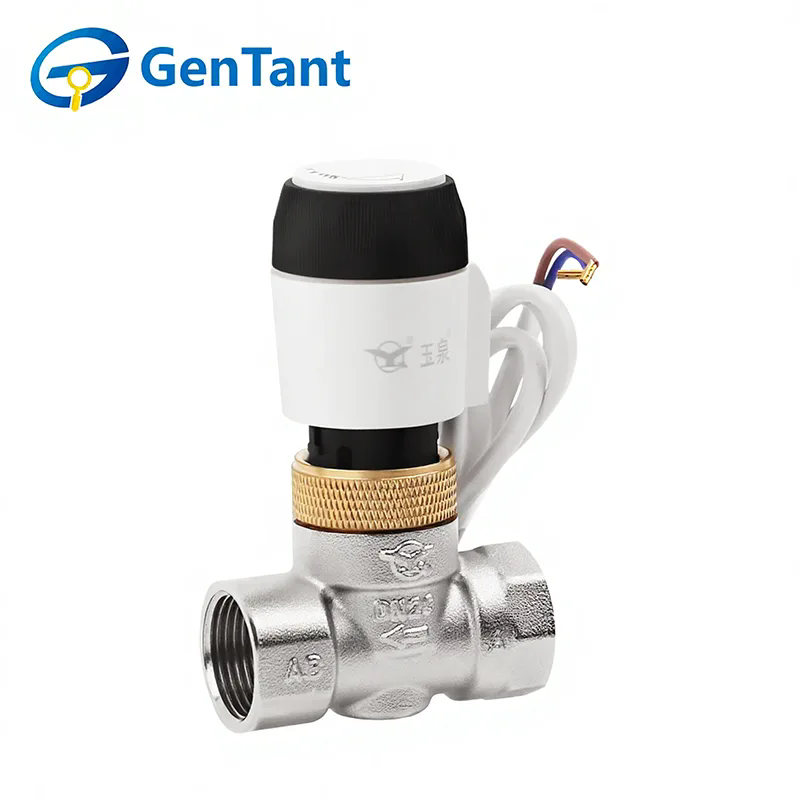
Table of Contents
- What Is a Motorized Globe Valve?
- Key Components of a Motorized Globe Valve
- How Does a Motorized Globe Valve Work?
- Technical Advantages of Motorized Globe Valves
- Typical Applications in Industrial Systems
- Motorized Globe Valve Technical Parameters
- How to Choose the Right Motorized Globe Valve
- Maintenance Tips for Long-Term Performance
- Frequently Asked Questions
What Is a Motorized Globe Valve?
A motorized globe valve is an automated control valve that integrates a traditional globe valve with an electric actuator. The actuator drives the valve stem to move the internal disc up or down, thereby regulating or stopping the flow of fluid within a pipeline.
The basic principle of a globe valve is based on linear motion. The disc moves perpendicular to the valve seat, allowing operators or control systems to precisely regulate flow rates or completely shut off the medium. This structure makes globe valves particularly suitable for throttling and flow regulation tasks in industrial pipelines. :contentReference[oaicite:0]{index=0}
When equipped with an electric motor actuator, the valve can be controlled remotely or automatically through a control system, eliminating manual operation and enabling real-time process regulation.
Key Components of a Motorized Globe Valve
Understanding the internal structure helps explain why this valve type is widely used in automated flow control systems.
| Component | Function |
|---|---|
| Valve Body | Main housing that directs the flow path through the valve. |
| Disc or Plug | Moves upward or downward to regulate or stop the fluid flow. |
| Seat | Sealing surface where the disc rests when the valve is closed. |
| Stem | Connects the actuator to the disc and transmits motion. |
| Electric Actuator | Motor-driven device that automatically opens or closes the valve. |
| Bonnet | Protective enclosure that supports the stem assembly. |
These components work together to ensure accurate fluid regulation and reliable sealing performance in demanding industrial environments.
How Does a Motorized Globe Valve Work?
The operation of a motorized globe valve is straightforward but highly effective in controlling flow conditions.
Step-by-Step Working Process
- The electric actuator receives a control signal from an automation system.
- The motor rotates and drives the valve stem.
- The stem moves the disc vertically relative to the valve seat.
- Raising the disc opens the flow path and increases flow.
- Lowering the disc reduces the opening or completely stops the flow.
In a typical globe valve, fluid enters the valve body, flows through the seat opening, and exits through the outlet chamber. Adjusting the disc position changes the size of this opening, which directly controls the flow rate of the medium. :contentReference[oaicite:1]{index=1}
Because the actuator performs the movement automatically, motorized globe valves can respond quickly to process changes and maintain stable system operation.
Technical Advantages of Motorized Globe Valves
Motorized globe valves provide several operational advantages compared with manual valves.
- Precise Flow Regulation – Linear disc movement enables accurate throttling.
- Automation Compatibility – Easily integrated into industrial control systems.
- Remote Operation – Operators can control valves without direct physical access.
- Reliable Shut-off Performance – Tight sealing between disc and seat prevents leakage.
- Adaptability to Various Media – Suitable for water, steam, oil, and chemical fluids.
The combination of electric actuators and globe valve design allows industries to improve process efficiency, reduce manual labor, and maintain consistent flow conditions.
Typical Applications in Industrial Systems
Motorized globe valves are widely used in systems that require precise flow control and automated regulation.
- Power generation plants
- Oil and gas processing facilities
- Chemical manufacturing systems
- Industrial steam pipelines
- Water treatment plants
- HVAC and building management systems
For example, in HVAC systems, motorized globe valves regulate hot or chilled water flow to maintain stable indoor temperatures and improve energy efficiency. :contentReference[oaicite:2]{index=2}
Industrial automation systems also rely on these valves to dynamically adjust fluid flow, ensuring production stability and product quality.
Motorized Globe Valve Technical Parameters
The performance of a motorized globe valve depends on its design specifications and materials.
| Parameter | Typical Range |
|---|---|
| Nominal Diameter | DN40 – DN300 |
| Nominal Pressure | PN1.0 – PN6.4 MPa |
| Operating Temperature | -30°C to 550°C |
| Connection Type | Flanged |
| Body Material | Carbon Steel / Stainless Steel |
| Applicable Media | Water, Oil, Steam, Gas |
| Power Supply | AC220V / AC380V |
Selecting the appropriate valve size, pressure rating, and material is essential for ensuring safe and reliable operation in demanding industrial environments.
How to Choose the Right Motorized Globe Valve
Choosing the correct valve requires evaluating several engineering factors.
- Pipeline Size – Match the valve diameter with the pipe system.
- Pressure Rating – Ensure the valve can withstand system pressure.
- Medium Characteristics – Consider temperature, corrosion, and viscosity.
- Actuator Voltage – Confirm compatibility with the available power supply.
- Control Requirements – Determine whether on/off or modulating control is required.
Industrial projects often require customized configurations to meet specific operational conditions.
Manufacturers such as GenTant provide engineered motorized globe valve solutions designed for reliability, automation integration, and long service life in demanding industrial environments.
Maintenance Tips for Long-Term Performance
Regular maintenance ensures optimal performance and extends the service life of motorized globe valves.
- Inspect actuator wiring and control signals regularly.
- Check valve sealing surfaces for wear.
- Lubricate stem components to reduce friction.
- Verify correct installation direction.
- Perform periodic functional testing.
Preventive maintenance reduces unexpected downtime and ensures stable pipeline operation.
Frequently Asked Questions
1. What is the difference between a globe valve and a gate valve?
A globe valve is designed for flow regulation and throttling, while a gate valve is mainly used for full open or full shut-off operations.
2. Can motorized globe valves be used for automatic control systems?
Yes. Electric actuators allow these valves to integrate with PLC or industrial control systems for automated operation.
3. What industries commonly use motorized globe valves?
They are widely used in power plants, oil and gas pipelines, chemical processing facilities, water treatment plants, and HVAC systems.
Conclusion
Motorized globe valves are essential components in modern industrial fluid control systems. By combining precise mechanical design with electric automation, these valves enable accurate regulation of flow, pressure, and temperature in pipelines. Their reliability, automation capability, and adaptability make them a preferred solution across industries such as energy, manufacturing, and water management.
If you are searching for high-quality automated valve solutions, GenTant offers professional motorized globe valves engineered for durability, precision control, and industrial reliability.
For detailed product specifications or customized valve solutions, contact us today and our technical team will help you select the ideal motorized globe valve for your application.