

How Does a Motorcycle Tire Valve Improve Riding Safety and Performance?
2025-11-28
Motorcycle tire valves are small but critical components that ensure proper air retention and pressure management in motorcycle tires. These valves are not only essential for maintaining optimal tire pressure but also play a crucial role in overall riding safety, fuel efficiency, and tire lifespan. Understanding the functions, features, and innovations of motorcycle tire valves can help riders make informed decisions when selecting the right valve for their bike.
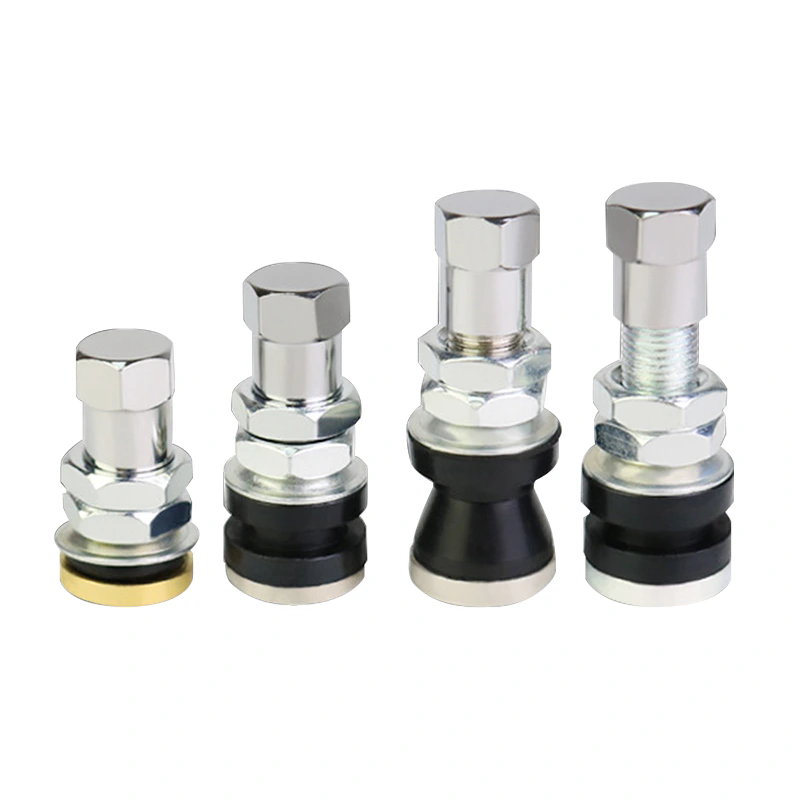
What Are Motorcycle Tire Valves and What Makes Them Important?
Motorcycle tire valves are devices installed on the rim of a motorcycle wheel that allow air to enter the tire while preventing it from escaping. They come in various types, including Schrader valves, Presta valves, and snap-in rubber or metal variants. Each type is designed to meet specific requirements of different motorcycles, from scooters to high-performance sport bikes.
The importance of motorcycle tire valves lies in their ability to:
-
Maintain correct tire pressure
-
Prevent air leakage and sudden deflation
-
Contribute to tire longevity and road grip
-
Enhance fuel efficiency and reduce rolling resistance
High-quality motorcycle tire valves are constructed from durable materials like brass, aluminum, or high-grade rubber. They are resistant to corrosion, temperature fluctuations, and mechanical wear, ensuring reliable performance under diverse riding conditions.
Key Product Parameters of Motorcycle Tire Valves
| Parameter | Specification / Feature |
|---|---|
| Valve Type | Schrader, Presta, Rubber Snap-in, Metal Snap-in |
| Material | Brass, Aluminum, High-Grade Rubber |
| Operating Pressure | 0–60 PSI (varies by valve type) |
| Temperature Resistance | -40°C to 120°C |
| Anti-Leak Design | Integrated core seal and gasket system |
| Weight | 10–25 grams per valve (depending on type) |
| Compatible Rim Size | Standard motorcycle rim diameters (10–21 inches) |
| Color / Coating | Silver, Black, Chrome, Anodized Colors |
Motorcycle tire valves are engineered to be compact and lightweight while maintaining structural integrity. Modern designs often include dust caps and removable cores, facilitating easy maintenance and pressure adjustment.
Why Are High-Quality Motorcycle Tire Valves Critical for Safety and Performance?
Motorcycle safety depends significantly on tire pressure. Improperly inflated tires can lead to reduced grip, uneven tire wear, and increased braking distances. High-quality tire valves ensure consistent air retention, which is essential for safe handling.
-
Improved Road Grip
Properly inflated tires maintain optimal contact with the road surface, enhancing traction during acceleration, cornering, and braking. Valves that prevent leaks ensure consistent tire pressure even on long rides. -
Extended Tire Life
Leaky or low-quality valves contribute to uneven tire wear. A reliable valve maintains air pressure, protecting tires from premature wear and potential blowouts. -
Fuel Efficiency and Performance
Correct tire pressure reduces rolling resistance, which in turn improves fuel economy. Motorcycles with high-performance engines also benefit from valves that maintain optimal inflation, allowing for stable speed and handling. -
Protection Against Sudden Deflation
High-quality valves with reinforced cores and anti-leak mechanisms reduce the risk of sudden air loss, providing riders with greater confidence and safety during rides.
How Do Motorcycle Tire Valves Work and How to Maintain Them?
Motorcycle tire valves work on a simple yet precise principle. They allow air to enter the tire under controlled pressure while preventing its escape. Here’s a step-by-step explanation of how valves function:
-
Air Inlet Control
When a pump nozzle is attached, the valve core opens slightly, letting air enter the tire. The core ensures that air flows in one direction only. -
Sealing Mechanism
After inflating, the spring-loaded valve core presses against a gasket, creating an airtight seal. This prevents air from escaping even under high-speed rotations or extreme temperatures. -
Pressure Adjustment
Many motorcycle valves come with removable cores, allowing riders to adjust pressure with precision. This is particularly useful for off-road bikes or touring motorcycles that require varying pressure levels. -
Maintenance Tips
-
Regularly check valve caps and replace if missing or damaged.
-
Inspect the valve core for corrosion or dirt buildup.
-
Use a valve core tool for replacement or tightening to ensure a proper seal.
-
Lubricate rubber components with silicone grease to prevent drying and cracking.
-
Proper valve maintenance not only prolongs the life of the valve but also protects tires and ensures consistent riding performance.
Common Questions About Motorcycle Tire Valves
Q1: How often should motorcycle tire valves be replaced?
A1: Motorcycle tire valves should generally be replaced every 2–3 years or whenever a valve shows signs of wear, corrosion, or leakage. High-performance motorcycles or bikes exposed to harsh weather may require more frequent inspections.
Q2: Can valve type affect tire performance?
A2: Yes. Different valves are designed for different purposes. Schrader valves are robust and easy to use, suitable for most motorcycles. Presta valves are lighter and offer precise air control, making them ideal for high-end sport motorcycles. Rubber snap-in valves are cost-effective for general use but may wear out faster than metal valves. Choosing the right valve ensures optimal tire performance and safety.
Future Trends in Motorcycle Tire Valve Technology
The evolution of motorcycle tire valves is driven by advancements in materials, aerodynamics, and smart technology integration. Future trends include:
-
Smart Valves with Pressure Sensors
Integration of tire pressure monitoring systems (TPMS) allows real-time pressure tracking. Smart valves can alert riders via dashboards or mobile apps, reducing the risk of underinflation. -
Advanced Materials for Durability
Lightweight alloys, corrosion-resistant coatings, and high-performance polymers enhance valve lifespan and performance under extreme conditions. -
Aerodynamic and Low-Profile Designs
Sleeker valve designs reduce drag and improve aesthetic appeal for high-performance motorcycles, while maintaining structural integrity. -
Eco-Friendly Manufacturing
Environmentally conscious production methods and recyclable materials are becoming standard, reducing the carbon footprint of motorcycle accessories.
Motorcycle tire valves are no longer just functional components—they are becoming integrated, intelligent systems that contribute to overall riding efficiency, safety, and sustainability.
Motorcycle tire valves are a small yet vital component that ensures tire performance, rider safety, and overall motorcycle efficiency. From choosing the right valve type to proper maintenance and understanding emerging trends, riders can make informed decisions that impact their motorcycle experience.
Ningbo Haishu Yinping Auto Parts Co., Ltd. specializes in producing high-quality motorcycle tire valves with durability, precision, and performance in mind. For inquiries or to explore a wide range of motorcycle tire valve options, please contact us today.