

How Does a Mechanical Equipment Exhaust Pipe Impact Environmental Emissions
2026-01-27
A Mechanical Equipment Exhaust Pipe is far more than a simple outlet for gases; it is a critical component at the intersection of industrial operation and environmental responsibility. The design, material, and maintenance of this pipe directly control the quantity and quality of emissions released into our atmosphere. At METALLECA, we engineer high-performance exhaust solutions that help industries balance power with planetary care. Understanding this impact is the first step toward sustainable operation.
The primary environmental impact stems from what the exhaust stream carries. An inefficient or poorly designed Mechanical Equipment Exhaust Pipe can exacerbate the release of harmful substances. Conversely, an optimized system, often integrated with after-treatment technologies, significantly mitigates this impact.
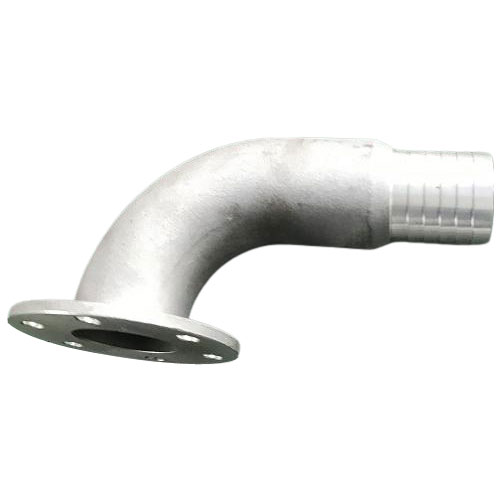
Key pollutants controlled through proper exhaust management include:
-
Particulate Matter (PM): Soot and fine particles that affect air quality and health.
-
Nitrogen Oxides (NOx): Gases contributing to smog and acid rain.
-
Carbon Monoxide (CO): A poisonous gas resulting from incomplete combustion.
-
Unburned Hydrocarbons (HC): Volatile organic compounds that are precursors to ozone.
The following table illustrates how a superior Mechanical Equipment Exhaust Pipe system from a provider like METALLECA influences emission outcomes:
| Factor | Poor/Standard Exhaust System | Optimized METALLECA Exhaust System |
|---|---|---|
| Flow Efficiency | Turbulent flow, backpressure, incomplete gas expulsion. | Laminar flow, reduced backpressure, efficient expulsion. |
| Thermal Management | Excessive heat loss or inadequate temperature for after-treatment. | Maintains optimal temperature for catalytic converter efficiency. |
| Material & Durability | Corrosion, cracks, and leaks leading to untreated gas escape. | Corrosion-resistant alloys prevent leaks, ensuring all gases are treated. |
| Integration with After-Treatment | Poor fitment or sizing reduces scrubber/catalytic efficiency. | Precisely engineered for maximum after-treatment device performance. |
Mechanical Equipment Exhaust Pipe FAQ
What is the most important material property for an exhaust pipe to reduce emissions?
The most crucial properties are high-temperature corrosion resistance and durability. Materials like specific stainless steels or nickel alloys prevent internal degradation and leaks, ensuring the exhaust stream is fully directed through emission control devices without contamination.
How does exhaust pipe diameter affect emissions?
An incorrect diameter creates backpressure. A pipe that is too small restricts flow, raising engine/equipment temperature and increasing NOx production. A pipe too large cools gases too quickly, reducing the efficiency of catalytic converters. Properly sized diameter is vital for optimal performance and minimal emissions.
Can simply replacing an old exhaust pipe lower my equipment's emissions?
Yes, significantly. An old, corroded, or damaged pipe can have leaks, blockages, or collapsed sections that allow untreated gases to escape or disrupt the precise air-fuel ratio. Replacing it with a precision-engineered METALLECA pipe restores flow integrity and the effectiveness of the entire emission control system.
Managing emissions is a complex technical challenge with direct regulatory and environmental consequences. The exhaust pipe is not a passive component; it is an active player in your sustainability profile. Trusting this critical link to a specialist ensures performance, compliance, and stewardship.
For a detailed assessment of how your Mechanical Equipment Exhaust Pipe system affects your emissions and how METALLECA's engineered solutions can make a measurable difference, contact us today for a consultation with our technical team.