

How Does a Long Shank Return Valve Improve Flow Control Efficiency?
2026-04-23
Abstract
A Long Shank Return Valve is a critical component in fluid control systems, designed to ensure one-way flow while enhancing installation flexibility and operational efficiency. This article explores how it works, where it excels, and how it solves common customer challenges such as leakage, backflow, and difficult installations. By understanding its structure and application, users can make informed decisions that improve system reliability and reduce maintenance costs.
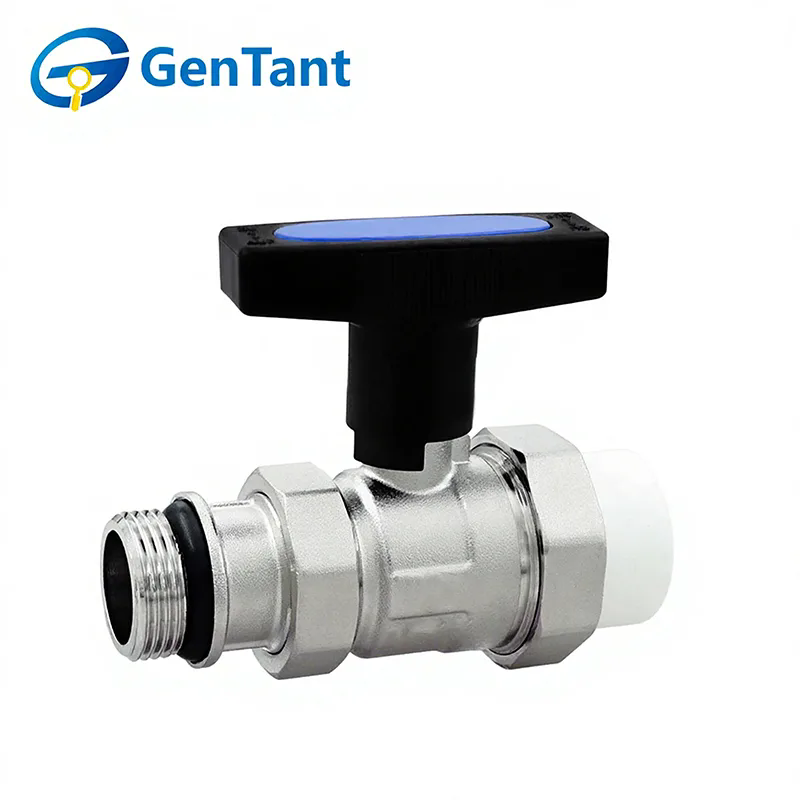
Table of Contents
- 1. Introduction to Long Shank Return Valves
- 2. How a Long Shank Return Valve Works
- 3. Key Components and Design Features
- 4. Common Customer Pain Points Solved
- 5. Application Scenarios
- 6. Selection Guide
- 7. Installation and Maintenance Tips
- 8. Comparison Table
- 9. Frequently Asked Questions
- 10. Conclusion
1. Introduction to Long Shank Return Valves
A Long Shank Return Valve is a specialized type of check valve engineered with an extended stem (shank), allowing deeper installation within pipelines, tanks, or confined mechanical assemblies. Unlike standard return valves, its elongated structure enhances accessibility, sealing performance, and adaptability to complex system layouts.
Industries such as water treatment, oil and gas, chemical processing, and HVAC systems rely heavily on these valves to prevent reverse flow and maintain consistent pressure conditions.
2. How a Long Shank Return Valve Works
The valve operates on a simple yet effective principle: allowing fluid to flow in one direction while automatically preventing reverse flow. When forward pressure is applied, the internal disc or piston opens, permitting fluid passage. When pressure drops or reverses, gravity or spring force pushes the disc back onto the seat, sealing the valve.
- Forward Flow: Disc lifts, allowing fluid movement
- Reverse Flow: Disc closes instantly to prevent backflow
- Sealing Mechanism: Ensures zero or minimal leakage
The extended shank design ensures that this mechanism operates efficiently even in deep or hard-to-reach installations.
3. Key Components and Design Features
- Extended Shank: Enables installation in thick walls or deep pipelines
- Valve Body: Built from corrosion-resistant materials such as stainless steel or brass
- Disc or Poppet: Controls flow direction
- Spring Mechanism: Provides rapid closure response
- Seal Ring: Ensures tight shutoff and prevents leakage
These features collectively enhance durability, reliability, and performance in demanding environments.
4. Common Customer Pain Points Solved
Many system operators encounter recurring issues with standard valves. A Long Shank Return Valve directly addresses these challenges:
- Backflow Damage: Prevents contamination and equipment failure
- Difficult Installation: Extended shank allows easier positioning in deep or restricted areas
- Leakage Issues: Advanced sealing minimizes fluid loss
- Maintenance Downtime: Durable design reduces service frequency
- Pressure Instability: Ensures consistent directional flow
By resolving these issues, users can significantly improve operational efficiency and system longevity.
5. Application Scenarios
- Water supply and drainage systems
- Oil and gas transportation pipelines
- Chemical processing plants
- Industrial machinery
- HVAC systems
- Fire protection systems
Its versatility makes it suitable for both residential and heavy industrial applications.
6. Selection Guide
Choosing the right Long Shank Return Valve involves evaluating several factors:
- Material Compatibility: Match with fluid type (corrosive, high-temperature, etc.)
- Pressure Rating: Ensure it meets system requirements
- Size and Dimensions: Fit within pipeline specifications
- Connection Type: Threaded, flanged, or welded
- Flow Characteristics: Consider flow rate and velocity
Selecting the correct valve ensures optimal performance and avoids costly replacements.
7. Installation and Maintenance Tips
- Install in the correct flow direction (check arrow marking)
- Avoid debris entering the valve during installation
- Ensure proper alignment to prevent stress on the shank
- Regularly inspect seals and moving components
- Clean periodically to maintain efficiency
Proper installation and maintenance can extend the valve's lifespan significantly.
8. Comparison Table
| Feature | Standard Return Valve | Long Shank Return Valve |
|---|---|---|
| Installation Depth | Limited | Extended reach |
| Accessibility | Difficult in deep systems | Easy access |
| Sealing Performance | Moderate | High precision sealing |
| Application Flexibility | Basic | Highly adaptable |
| Maintenance Frequency | Higher | Lower |
9. Frequently Asked Questions
-
Q1: What makes a long shank design beneficial?
A: It allows installation in deeper or confined spaces while maintaining easy operation and maintenance. -
Q2: Can it handle high-pressure systems?
A: Yes, provided the valve is selected with the appropriate pressure rating. -
Q3: Is it suitable for corrosive fluids?
A: Yes, when constructed from compatible materials such as stainless steel or specialized alloys. -
Q4: How often should it be maintained?
A: Routine inspection every 6–12 months is typically sufficient, depending on usage conditions. -
Q5: Does it require special installation tools?
A: No, standard tools are usually sufficient, but proper alignment is essential.
10. Conclusion
A Long Shank Return Valve is more than just a flow control component—it is a strategic solution for improving system reliability, reducing maintenance costs, and ensuring operational safety. Its extended design, combined with robust sealing and efficient performance, makes it an ideal choice for modern industrial applications.
If you are looking for high-quality Long Shank Return Valves tailored to your specific needs, GenTant offers reliable solutions backed by industry expertise. Contact us today to discover how we can optimize your system performance.