

How Does a Knife Gate Valve Handle High Pressure and Temperature Conditions
2026-01-20
In demanding industrial environments, the performance of critical components like the Knife Gate Valve is non-negotiable. When subjected to high pressure and temperature conditions, standard valves often fail, leading to downtime and safety risks. This is where robust engineering, exemplified by JQF's specialized designs, makes a definitive difference. A properly constructed Knife Gate Valve is engineered to not only survive but reliably function under these strenuous operational parameters.
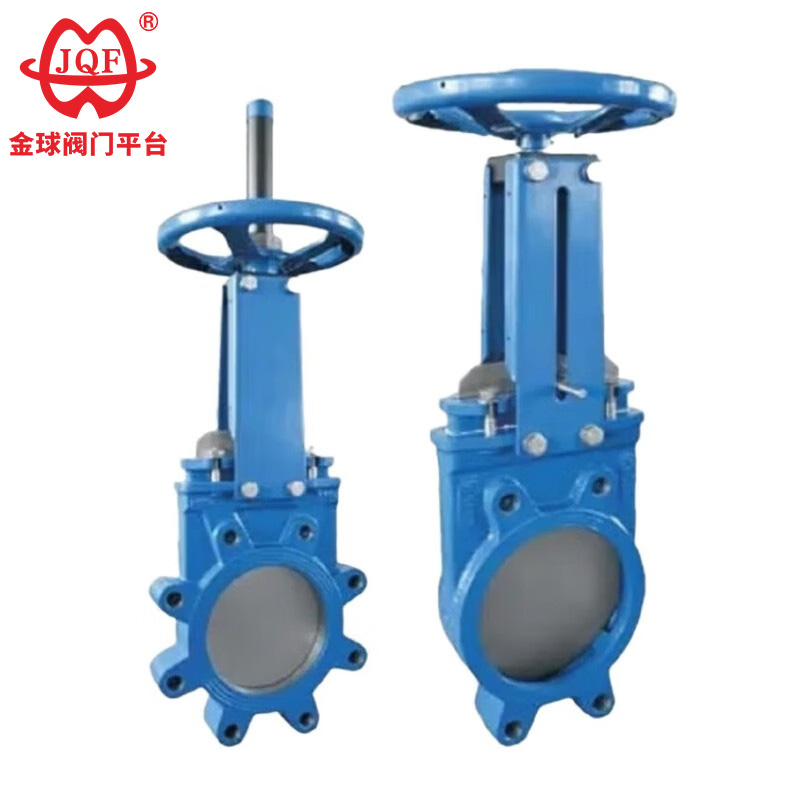
The ability of a Knife Gate Valve to withstand high pressure and temperature stems from several key design and material features:
-
Robust Body Construction: JQF valves utilize high-grade cast or ductile iron, stainless steel, or specialized alloys. The body is designed with ample structural integrity to contain internal pressures without deformation.
-
Precision-Machined Gate and Seat: The sharp, beveled gate is precisely machined to create a tight, clean shut-off against a resilient or metal seat. This prevents leakage, even under high upstream pressure.
-
Advanced Seal Technology: Critical to handling both pressure and temperature, JQF employs specialized sealing systems. High-temperature elastomers like Viton or PTFE, and sometimes metal-to-metal seals, are used to ensure the seal remains effective without degrading.
-
Reinforced Stem and Packing: A heavy-duty, often stainless steel stem and high-temp packing/gland system prevent blowouts and ensure smooth operation under load.
The following table summarizes how JQF addresses these challenges:
| Challenge | JQF Knife Gate Valve Solution | Result |
|---|---|---|
| High Pressure | Thickened body walls, reinforced gate, superior seal design. | Prevents body burst and seat blowout, ensuring leak-tight closure. |
| High Temperature | Heat-resistant seal materials, alloy components, calculated thermal expansion. | Maintains seal integrity and operational function without failure. |
| Combined Stress | Finite Element Analysis (FEA) in design, material testing for yield strength. | Valve performs reliably under simultaneous pressure and temperature extremes. |
Knife Gate Valve FAQ
What is the maximum pressure a knife gate valve can handle?
Pressure ratings vary by size, material, and design. While standard JQF Knife Gate Valves typically handle up to 150-200 psi, specially engineered models for severe service can be designed for significantly higher pressures. Always consult the manufacturer's specifications for your specific application.
Can a knife gate valve be used for steam applications?
Yes, but only with the correct configuration. Steam service requires specific high-temperature seat and seal materials (like reinforced graphite or metal) and often a special design to account for thermal expansion. JQF offers engineered solutions for such demanding media.
How does temperature affect the valve's operation?
Extreme heat can soften standard elastomers, causing seal failure, while cold can make them brittle. High temperatures can also cause thermal expansion, potentially leading to binding. JQF valves are specified with temperature-compatible materials and design clearances to mitigate these effects.
For operations where pressure and temperature push the limits, choosing the right valve is paramount. The Knife Gate Valve from JQF is built with precisely these challenges in mind, incorporating durable materials and intelligent design to ensure shut-off integrity and longevity. Don't compromise your process safety and efficiency. Contact us today to discuss how our engineered JQF valve solutions can meet your specific high-pressure and high-temperature requirements.