

How Does a Hydraulic Valve Block Improve System Efficiency and Reliability?
2026-03-25
Article Summary
A hydraulic valve block is a core component in modern hydraulic systems, responsible for controlling fluid flow, pressure, and direction. Many customers struggle with system inefficiencies, leakage risks, and complex piping layouts. This article provides a comprehensive explanation of how hydraulic valve blocks work, their benefits, types, selection criteria, and maintenance practices. It is designed to help engineers, buyers, and decision-makers optimize system performance while reducing operational risks and costs.
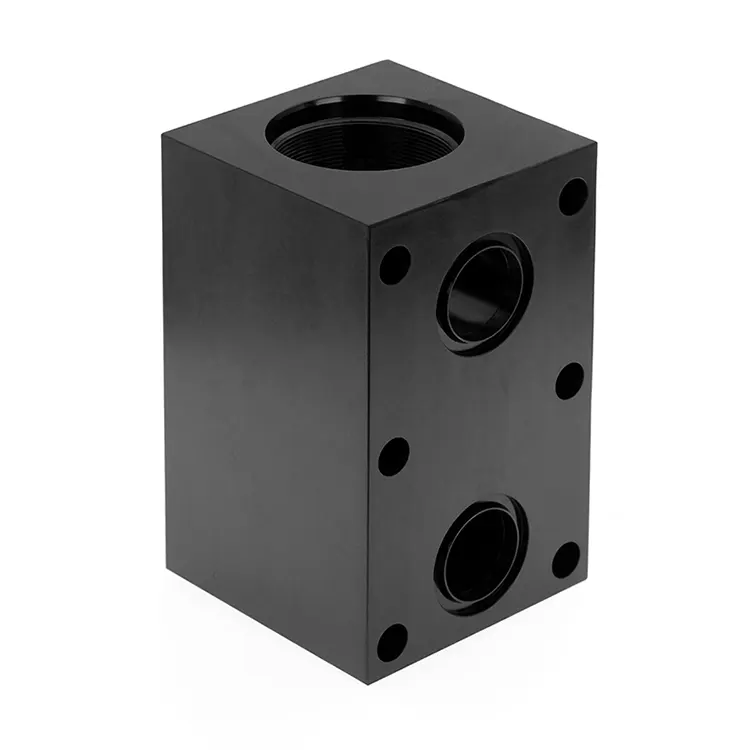
Table of Contents
- 1. What Is a Hydraulic Valve Block?
- 2. How Does a Hydraulic Valve Block Work?
- 3. Common Customer Pain Points
- 4. Key Advantages of Using a Valve Block
- 5. Types of Hydraulic Valve Blocks
- 6. Technical Specifications and Parameters
- 7. How to Choose the Right Hydraulic Valve Block
- 8. Installation and Maintenance Guidelines
- 9. Frequently Asked Questions
- 10. Conclusion
1. What Is a Hydraulic Valve Block?
A hydraulic valve block, also known as a manifold block, is a precision-engineered metal component that integrates multiple hydraulic valves into a single compact unit. It allows hydraulic fluid to be distributed efficiently through internal channels rather than external piping.
This design reduces the need for complex tubing systems and minimizes potential leakage points. Valve blocks are widely used in industries such as construction machinery, automation equipment, agricultural systems, and industrial manufacturing.
2. How Does a Hydraulic Valve Block Work?
A hydraulic valve block functions by directing pressurized fluid through a network of internal passages. These passages connect different valves, enabling the system to control flow direction, pressure levels, and actuator movement.
- Fluid enters the block through an inlet port
- Internal channels route fluid to specific control valves
- Valves regulate flow, pressure, or direction
- Fluid exits through designated outlet ports to actuators
By consolidating multiple functions into one unit, the valve block enhances system response time and reduces energy loss.
3. Common Customer Pain Points
Many users encounter challenges when designing or maintaining hydraulic systems. A properly designed hydraulic valve block directly addresses these issues.
- Leakage Problems: Multiple pipe connections increase failure risk
- Complex Installation: Traditional systems require extensive tubing
- Space Constraints: Equipment often has limited installation space
- Maintenance Difficulty: Troubleshooting distributed components is time-consuming
- Energy Loss: Inefficient flow paths reduce system performance
A well-designed valve block simplifies system architecture and improves reliability.
4. Key Advantages of Using a Valve Block
Hydraulic valve blocks offer significant benefits compared to conventional piping systems.
- Compact Design: Reduces installation space
- Leak Reduction: Fewer external connections
- Improved Efficiency: Optimized internal flow paths
- Faster Assembly: Simplified installation process
- Enhanced Reliability: Fewer failure points
Companies like Difon specialize in precision machining of hydraulic valve blocks, ensuring high performance and durability in demanding applications.
5. Types of Hydraulic Valve Blocks
Different applications require different valve block configurations. Understanding the available types helps ensure proper system design.
- Directional Control Manifolds: Manage flow direction
- Pressure Control Blocks: Regulate system pressure
- Flow Control Manifolds: Adjust flow rates
- Integrated Manifolds: Combine multiple functions in one block
Each type is designed to meet specific operational requirements and can be customized based on system complexity.
6. Technical Specifications and Parameters
| Parameter | Description |
| Material | Aluminum, steel, or ductile iron |
| Operating Pressure | Up to 350 bar or higher |
| Flow Rate | Depends on system requirements |
| Surface Treatment | Anodizing, plating, or coating |
| Port Size | Customizable (BSP, NPT, SAE) |
| Tolerance | High precision machining standards |
| Mounting Type | Subplate or inline mounting |
Selecting the correct specifications ensures optimal performance and compatibility with the hydraulic system.
7. How to Choose the Right Hydraulic Valve Block
Choosing the right valve block requires careful evaluation of system requirements and operating conditions.
- Application Type: Identify system purpose and load conditions
- Pressure Requirements: Ensure compatibility with operating pressure
- Flow Capacity: Match flow rate with system demand
- Material Selection: Consider corrosion resistance and strength
- Customization Needs: Evaluate whether a custom design is required
Working with experienced manufacturers like Difon ensures precise customization and reliable performance.
8. Installation and Maintenance Guidelines
Proper installation and maintenance are essential for maximizing the lifespan of a hydraulic valve block.
- Ensure clean hydraulic fluid to prevent contamination
- Follow correct torque specifications during installation
- Inspect seals and connections regularly
- Monitor system pressure and flow performance
- Perform routine maintenance checks
Preventive maintenance reduces downtime and ensures consistent system operation.
9. Frequently Asked Questions
Q1: What is the main purpose of a hydraulic valve block?
It centralizes control of fluid flow, pressure, and direction, improving system efficiency and reducing complexity.
Q2: Can hydraulic valve blocks be customized?
Yes, most manufacturers offer fully customized designs based on specific system requirements.
Q3: What materials are commonly used?
Aluminum is used for lightweight applications, while steel is preferred for high-pressure environments.
Q4: How does a valve block reduce leakage?
By minimizing external piping connections and integrating channels internally, leakage points are significantly reduced.
10. Conclusion
A hydraulic valve block plays a crucial role in improving system efficiency, reducing installation complexity, and enhancing operational reliability. By integrating multiple control functions into a single unit, it addresses many of the common challenges faced by hydraulic system users.
Difon provides high-quality hydraulic valve blocks with precision machining and customizable solutions tailored to diverse industrial needs.
If you are looking to optimize your hydraulic system with reliable and efficient components, contact us today to explore professional solutions and elevate your equipment performance.