

How Does a Gate Valve Operate and What Are Its Industrial Applications?
2025-12-25
Abstract: This comprehensive guide explores the operational principles, specifications, and industrial applications of Gate Valves. It includes detailed technical parameters, frequently asked questions, and practical advice for maintenance and installation. Designed for engineers, procurement specialists, and industrial users, this article provides an in-depth understanding of Gate Valves’ role in controlling fluid flow in pipelines across various sectors.
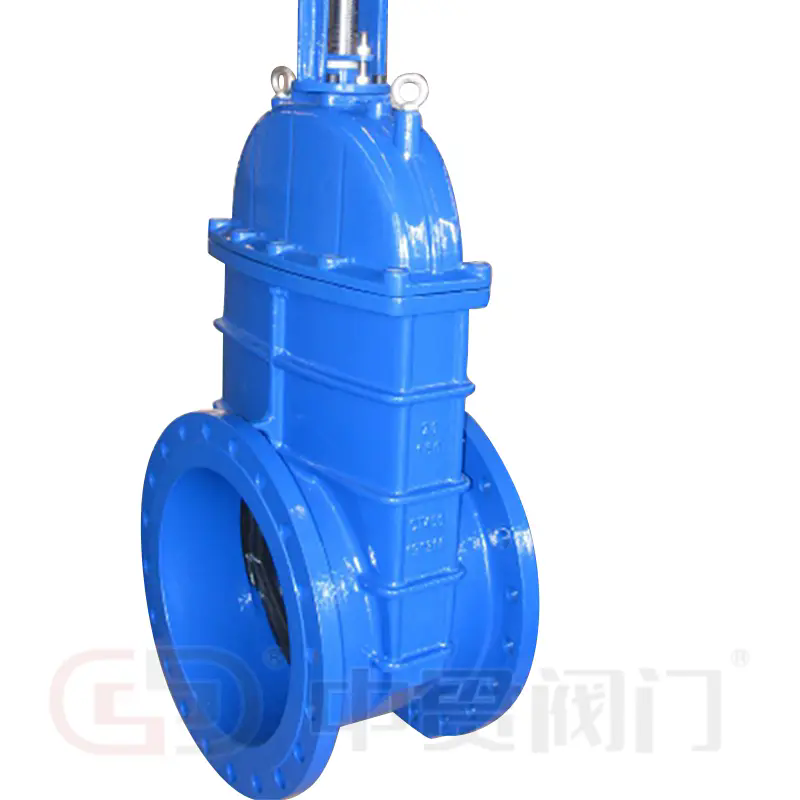
Table of Contents
1. Introduction to Gate Valves
Gate valves are essential components in industrial and commercial piping systems, primarily designed to regulate the flow of liquids or gases by raising or lowering a flat gate inside the valve body. Unlike globe valves or ball valves, Gate Valves operate with minimal pressure drop when fully open, making them ideal for applications requiring a straight-through flow path.
This article examines the design, technical specifications, and application scenarios of Gate Valves. It aims to provide a complete reference for professionals seeking to select, operate, or maintain these valves efficiently.
2. Gate Valve Specifications and Key Parameters
Understanding the technical parameters of a Gate Valve is crucial for selecting the appropriate valve for specific applications. The table below outlines standard specifications and their relevance to industrial operations:
| Parameter | Specification | Notes |
|---|---|---|
| Valve Type | Gate Valve, Rising Stem / Non-Rising Stem | Rising stem indicates visual position of valve; non-rising saves space |
| Material | Cast Steel, Stainless Steel, Bronze | Material choice depends on fluid type and temperature |
| Pressure Rating | PN10, PN16, PN25, ANSI 150, ANSI 300 | Compatible with various pipeline pressure systems |
| Diameter Range | DN15 – DN1200 (0.5" – 48") | Small to large industrial pipelines |
| End Connection | Flanged, Threaded, Welded | Installation flexibility depending on pipeline design |
| Temperature Range | -29°C to 550°C (-20°F to 1020°F) | Applicable to high and low temperature operations |
| Operation | Manual, Electric Actuator, Pneumatic Actuator | Adaptable for automation in industrial systems |
3. Common Questions About Gate Valves
Q1: How does a Gate Valve differ from a Globe Valve?
A1: A Gate Valve allows straight-through flow with minimal pressure drop when fully open, whereas a Globe Valve restricts flow with a more tortuous path, resulting in higher pressure loss. Gate Valves are ideal for on/off control, while Globe Valves are better suited for throttling applications.
Q2: How should a Gate Valve be maintained to ensure longevity?
A2: Regular inspection of the valve seat, stem, and sealing surfaces is essential. Lubrication of the stem threads, checking for leakage, and ensuring proper alignment during installation will enhance performance. For high-pressure or high-temperature applications, periodic replacement of packing and seals is recommended.
Q3: How can one choose the correct Gate Valve for a specific industrial application?
A3: Selection depends on parameters such as fluid type, temperature, pressure rating, pipeline diameter, and operational requirements. Consideration of material compatibility, actuator type, and installation constraints ensures optimal performance and safety.
4. Industrial Applications and Considerations
Gate Valves are widely used in various industrial sectors, including:
- Water Supply Systems: For isolating sections of pipelines during maintenance or emergencies.
- Oil and Gas Industry: Controlling crude oil, natural gas, and refined products with high-pressure valves.
- Power Plants: Steam and cooling water applications where minimal pressure loss is required.
- Chemical Processing: Handling corrosive and high-temperature fluids with appropriate material selection.
- Marine and Shipbuilding: Controlling ballast and cooling systems in confined spaces.
Proper installation and operational procedures are critical. Ensure the valve is fully opened or closed to prevent erosion of the gate and seating surfaces. For automated systems, electric or pneumatic actuators can improve response times and reliability.
5. Conclusion and Brand Information
Gate Valves continue to be a fundamental component for fluid control in industrial pipelines due to their reliability, low pressure loss, and versatility across sectors. The selection, maintenance, and operational understanding of these valves significantly impact pipeline efficiency and longevity.
Zhongguan provides a complete range of high-quality Gate Valves engineered to meet international standards. Their products cover various diameters, pressure ratings, and material specifications, ensuring compatibility with diverse industrial requirements. For detailed inquiries, product specifications, or procurement information, please contact us.