

How Does a Flanged Ball Valve Improve Industrial Piping Systems?
2026-05-20
Abstract: Flanged ball valves are critical components in industrial piping systems, offering reliability, ease of maintenance, and precise flow control. This article explores their design, benefits, applications, selection criteria, and maintenance practices to help engineers and procurement teams make informed decisions. Shengshi Huagong provides high-quality flanged ball valves to meet various industrial requirements.
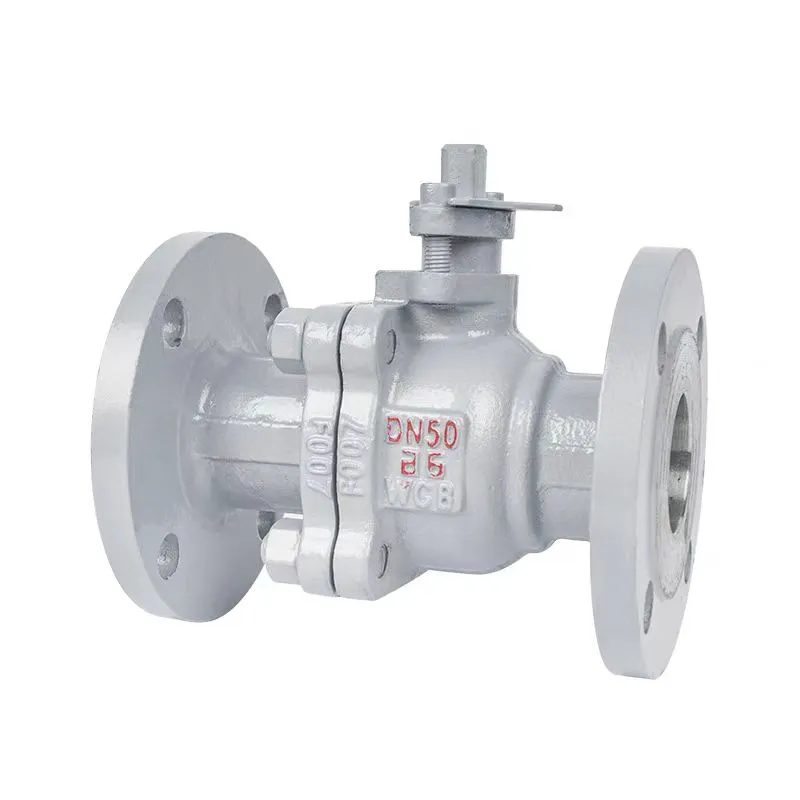
Table of Contents
- Introduction to Flanged Ball Valves
- Design and Components
- Key Benefits
- Applications in Industry
- How to Choose the Right Flanged Ball Valve
- Maintenance and Troubleshooting
- Frequently Asked Questions
- Conclusion
Introduction to Flanged Ball Valves
Flanged ball valves are specialized valves designed with flanged ends, which allow secure bolted connections in piping systems. Unlike threaded or welded valves, flanged connections provide easier installation, removal, and maintenance. These valves are widely used in industries such as oil and gas, chemical processing, water treatment, and power generation.
The main operational feature of a ball valve is its spherical disc, which rotates 90 degrees to open or close flow. This simple mechanism ensures tight sealing, minimal leakage, and fast operation. Flanged ball valves can handle high pressure, high temperature, and aggressive media, making them versatile for industrial applications.
Design and Components
The performance of a flanged ball valve depends on its design and material composition. Key components include:
- Body: Typically made of stainless steel, carbon steel, or alloy materials for strength and corrosion resistance.
- Ball: The spherical disc that controls flow. Precision engineering ensures smooth rotation and tight sealing.
- Seats: Usually PTFE, reinforced PTFE, or metal, providing leak-proof operation and chemical resistance.
- Stem: Connects the ball to the actuator or handle, transmitting torque efficiently.
- Flanges: Designed according to international standards (e.g., ANSI, DIN), ensuring compatibility with piping systems.
- Seals and Gaskets: Ensure zero leakage at high pressure and temperature.
Table: Common Materials for Flanged Ball Valves
| Component | Material Options |
|---|---|
| Body | Carbon Steel, Stainless Steel, Alloy Steel |
| Ball | Stainless Steel, Chrome Plated Steel |
| Seat | PTFE, Reinforced PTFE, Metal |
| Stem | Stainless Steel, Alloy Steel |
Key Benefits
Flanged ball valves offer several advantages for industrial systems:
- Ease of Installation: Flanged connections allow fast assembly and disassembly without specialized welding.
- Durability: High-quality materials resist corrosion, wear, and high-pressure conditions.
- Efficient Flow Control: Provides precise on/off operation with minimal pressure drop.
- Maintenance-Friendly: Flanged design allows removal of the valve without cutting the pipeline.
- Versatility: Suitable for liquids, gases, and aggressive chemicals.
Applications in Industry
Flanged ball valves are widely adopted across various sectors:
- Oil and Gas: Controlling high-pressure pipelines, crude oil, and gas transport.
- Chemical Processing: Handling corrosive and hazardous chemicals safely.
- Water Treatment: Efficiently managing water distribution, wastewater, and filtration systems.
- Power Plants: Steam, cooling systems, and chemical injection points.
- Food and Beverage: Hygienic versions used in processing lines requiring sanitary standards.
How to Choose the Right Flanged Ball Valve
Selecting the correct flanged ball valve requires attention to operational requirements and system conditions:
- Pressure and Temperature: Ensure the valve material and rating match your system's pressure and temperature.
- Material Compatibility: Check that the valve materials are compatible with the fluid media to avoid corrosion.
- Size and Flow Rate: Correct sizing prevents pressure drop and ensures smooth operation.
- End Connection Standards: Verify flange compatibility with existing piping standards (ANSI, DIN, JIS).
- Actuation: Decide between manual, electric, or pneumatic actuators based on operational needs.
Shengshi Huagong provides expert guidance and a wide range of flanged ball valves suitable for industrial applications. You can view their full product range here.
Maintenance and Troubleshooting
Proper maintenance extends the lifespan of flanged ball valves. Key practices include:
- Regular Inspection: Check for leaks, corrosion, and valve body integrity periodically.
- Lubrication: Some valve designs require periodic lubrication to ensure smooth ball rotation.
- Tightening Bolts: Ensure flange bolts remain correctly torqued to prevent leaks.
- Cleaning: Remove sediment or debris that may hinder operation, especially in water systems.
- Seal Replacement: Replace seats or gaskets if leakage is detected.
Frequently Asked Questions
Q1: Can flanged ball valves handle high temperatures?
A1: Yes, depending on the material selection, flanged ball valves can handle temperatures up to 400°C or higher.
Q2: How often should a flanged ball valve be inspected?
A2: Routine inspection every 6-12 months is recommended for industrial applications.
Q3: Are flanged ball valves suitable for corrosive media?
A3: Yes, stainless steel or alloy body valves with appropriate seats can handle corrosive fluids.
Q4: How do I select the correct size?
A4: Consider the flow rate, pipe size, and pressure drop. Consulting with a supplier like Shengshi Huagong ensures proper sizing.
Conclusion
Flanged ball valves provide reliability, durability, and precise flow control for industrial piping systems. From oil and gas to chemical processing, their versatile design makes them essential for efficient operations. Choosing the right material, size, and actuator is critical to performance. Shengshi Huagong offers high-quality flanged ball valves tailored to various industry needs. For expert assistance and to explore our range of products, contact us today to find the perfect solution for your system.