

How Does a Dock Butterfly Valve Improve Marine and Industrial Operations?
2026-05-29
Abstract: Dock butterfly valves are critical components in marine and industrial fluid systems, offering precise flow control, durability, and efficiency. This article explores their design, applications, selection criteria, maintenance practices, and troubleshooting tips. It is aimed at helping engineers, operators, and procurement managers address common pain points such as leakage, corrosion, and operational inefficiency.
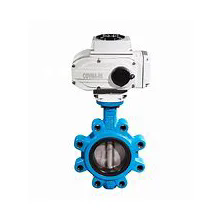
Table of Contents
- Introduction
- What is a Dock Butterfly Valve?
- Working Principle
- Applications in Marine and Industrial Sectors
- Dock Butterfly Valve Selection Guide
- Installation and Maintenance Best Practices
- Common Issues and Troubleshooting
- FAQ
- Conclusion
Introduction
Dock butterfly valves are widely used in ports, docks, and industrial facilities to regulate the flow of water, oil, chemicals, and other fluids. Their compact design, cost-effectiveness, and ease of operation make them a preferred choice over other valve types. However, selecting the right valve and ensuring proper installation is crucial to avoid operational disruptions.
What is a Dock Butterfly Valve?
A dock butterfly valve is a quarter-turn valve that controls fluid flow using a rotating disc. The disc is mounted on a shaft and rotates to open or close the valve. Its compact design allows for easy installation in tight spaces, making it ideal for docks, pipelines, and marine environments.
| Feature | Description |
|---|---|
| Valve Type | Quarter-turn, rotational disc |
| Materials | Stainless steel, cast iron, ductile iron, or carbon steel |
| Operation | Manual, pneumatic, or electric actuator |
| Applications | Marine, chemical, water treatment, oil and gas pipelines |
Working Principle
The operation of a dock butterfly valve is straightforward yet effective. When the disc rotates 90 degrees, it either blocks or allows the flow of fluid. The disc’s orientation controls flow rate, and the valve can function as an on/off device or for throttling purposes.
- Open Position: Disc aligns parallel to flow, allowing maximum fluid passage.
- Closed Position: Disc perpendicular to flow, sealing the passage.
- Intermediate Position: Enables precise flow control for operational needs.
Applications in Marine and Industrial Sectors
Dock butterfly valves serve critical roles across multiple industries:
- Marine Terminals: Controlling seawater intake for cooling systems and ballast operations.
- Industrial Docks: Managing pipelines for chemical or petroleum products.
- Water Treatment Plants: Regulating water flow in intake and drainage systems.
- Oil & Gas Pipelines: Controlling crude oil or refined products in port storage and transfer systems.
Dock Butterfly Valve Selection Guide
Selecting the right dock butterfly valve depends on the following considerations:
| Factor | Consideration |
|---|---|
| Material | Corrosion resistance, fluid compatibility, and temperature tolerance. |
| Valve Size | Match pipeline diameter for optimal flow control. |
| Operation Mode | Manual lever, gear-operated, or actuator-based automation. |
| Pressure Rating | Ensure valve withstands system pressure without leakage. |
| Sealing Type | Soft or metal seat depending on fluid type and temperature. |
Installation and Maintenance Best Practices
Proper installation and regular maintenance extend the lifespan of dock butterfly valves and reduce downtime:
- Ensure correct alignment with pipeline flanges to prevent stress and leakage.
- Check actuator operation and ensure smooth rotation of the disc.
- Apply appropriate lubricant on moving parts if recommended by the manufacturer.
- Perform regular inspection for corrosion, wear, and seal integrity.
- Clean debris and foreign particles that could hinder valve operation.
Common Issues and Troubleshooting
Dock butterfly valves can face operational challenges. Here’s how to address common issues:
- Leakage: Often caused by worn seals. Replace the seat or adjust the disc alignment.
- Corrosion: Use corrosion-resistant materials and protective coatings in harsh marine environments.
- Actuator Failure: Inspect mechanical or pneumatic systems and replace faulty components.
- Flow Restriction: Check for debris or buildup inside the valve body and clean as necessary.
FAQ
Q1: Can dock butterfly valves handle high-pressure systems?
A: Yes, provided the valve is selected with an appropriate pressure rating and material strength.
Q2: How often should maintenance be performed?
A: Routine inspection every 3–6 months is recommended, depending on operating conditions.
Q3: Are dock butterfly valves suitable for corrosive fluids?
A: Yes, choosing valves made from stainless steel or with specialized coatings ensures durability.
Q4: What is the lifespan of a dock butterfly valve?
A: With proper installation and maintenance, a dock butterfly valve can last 10–20 years.
Conclusion
Dock butterfly valves are essential for efficient fluid control in marine and industrial environments. By understanding their operation, selecting the right model, and adhering to proper maintenance, businesses can minimize downtime and extend valve life. For high-quality dock butterfly valves and professional support, consider Shengshi Huagong Valve. To learn more or purchase, contact us.