

How Does a Dismating Joint Improve Pipeline Maintenance?
2026-02-10
Summary: Dismating joints are essential components in modern piping systems, providing an efficient way to disconnect and reconnect pipelines for maintenance, inspection, or equipment installation. This article explains their design, benefits, applications, and selection considerations, helping industrial operators optimize pipeline operations.
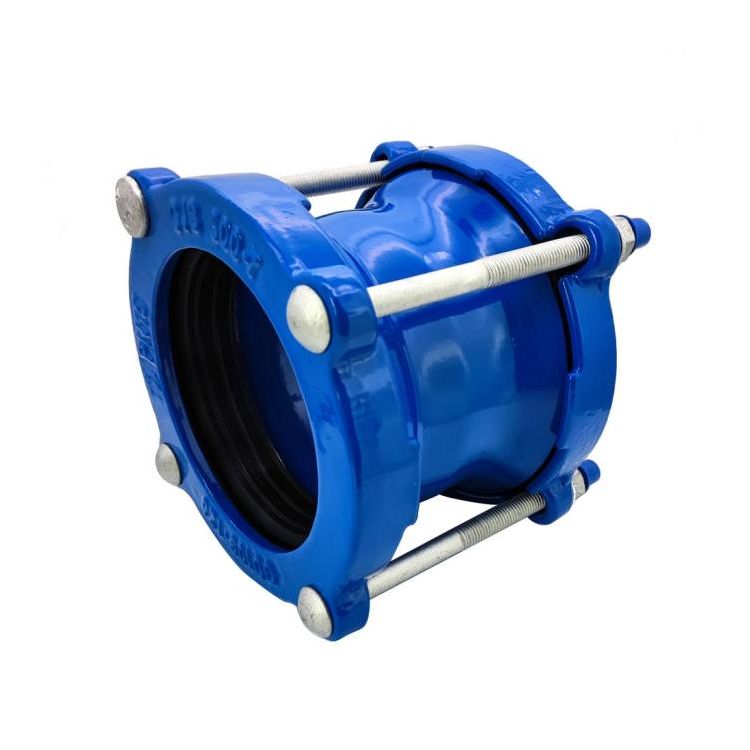
Table of Contents
Overview of Dismating Joint
A dismating joint, also known as a dismantling joint, is a mechanical assembly designed to connect two sections of a pipeline with the ability to separate them easily. Unlike rigid welded connections, dismating joints allow for quick removal of pipeline sections without cutting, which is crucial for maintenance, repair, or equipment replacement.
These joints are widely used in water supply, sewage, industrial process pipelines, and HVAC systems. By incorporating a central sleeve or spacer and flanged connections, they provide a reliable and flexible solution for pipeline management.
Structure and Components
A standard dismating joint consists of the following main components:
- Flanges: Two end flanges allow bolting to adjacent pipeline sections.
- Central Sleeve: A cylindrical component that maintains proper spacing between flanges.
- Gaskets: Ensure leak-proof connections when the flanges are bolted.
- Bolt Assemblies: Facilitate secure attachment and easy disassembly.
| Component | Description | Function |
|---|---|---|
| Flange | Cast or fabricated metal rings at both ends | Connects joint to pipeline sections |
| Central Sleeve | Metal cylinder or spacer | Provides adjustable length and stability |
| Gasket | Rubber or composite sealing material | Prevents leaks at flange connections |
| Bolt Assembly | Nuts and bolts made of corrosion-resistant metal | Secures flanges and allows easy disassembly |
Key Advantages
Dismating joints offer multiple operational benefits, including:
- Ease of Maintenance: Allows quick removal of pipeline sections for inspection or repair.
- Flexibility: Adjustable length suits various installation requirements.
- Cost Efficiency: Reduces downtime and labor costs during maintenance.
- Leak Prevention: High-quality gaskets ensure reliable sealing.
- Compatibility: Works with a variety of pipe materials and diameters.
Applications Across Industries
Dismating joints are versatile and widely applied across sectors:
- Water Supply and Sewage: Facilitates pipeline repairs without system shutdown.
- Industrial Processing: Enables quick replacement of valves, pumps, or equipment.
- HVAC Systems: Simplifies maintenance of heating and cooling pipelines.
- Energy and Utilities: Provides safe disconnection points for testing or upgrades.
Selection and Installation Guidelines
When choosing a dismating joint, consider the following factors:
- Pipe Diameter and Pressure Rating: Ensure the joint matches system requirements.
- Material Compatibility: Select appropriate metals and gaskets for corrosive or high-temperature environments.
- Ease of Access: Install in locations that allow bolt removal and inspection.
- Manufacturer Standards: Choose certified suppliers like FYL for quality assurance.
Proper installation requires aligning flanges, applying gaskets evenly, and tightening bolts according to torque specifications. Regular inspection ensures long-term performance.
Frequently Asked Questions
Q1: Can a dismating joint handle high-pressure pipelines?
A1: Yes, when selected with appropriate material and pressure ratings, dismating joints can reliably function in high-pressure systems.
Q2: How often should a dismating joint be inspected?
A2: Inspection frequency depends on operational conditions, but an annual check is recommended for most industrial applications.
Q3: Are dismating joints compatible with all pipe materials?
A3: They are compatible with most common pipe materials, including ductile iron, steel, and PVC, provided the correct flange and gasket combination is used.
Conclusion
Dismating joints are indispensable in modern piping systems, offering flexibility, maintenance efficiency, and reliable sealing. Choosing a quality joint from a trusted supplier like FYL ensures long-term operational stability. For inquiries or orders, contact us and experience professional service and competitive pricing.