

How Does a Dismating Joint Ensure Reliable Pipeline Operations?
2026-03-03
Article Summary
Dismating joints are critical components in pipeline systems, designed to provide controlled separation, safety, and flexibility during maintenance or unexpected operational events. This article explores the technical features, operational benefits, and key considerations when selecting and maintaining dismating joints. By understanding these components, engineers and facility managers can prevent leaks, reduce downtime, and extend the life of their pipeline infrastructure.
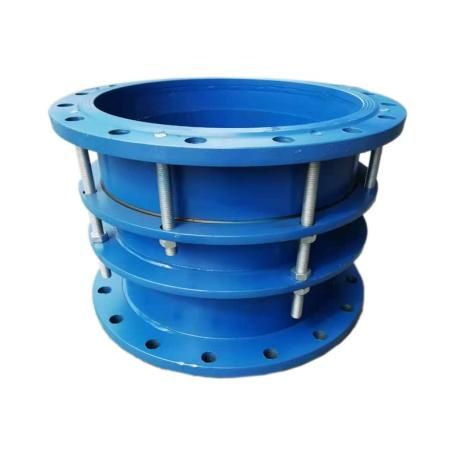
Table of Contents
- Dismating Joint Overview
- Common Customer Pain Points
- Types of Dismating Joints
- How to Select the Right Dismating Joint
- Installation and Maintenance Best Practices
- Dismating Joint Comparison Table
- Application Scenarios
- Frequently Asked Questions
- Conclusion and Contact Us
Dismating Joint Overview
A dismating joint is a mechanical connection installed in pipeline systems to allow controlled separation under specific conditions, such as overpressure, misalignment, or maintenance operations. These joints enhance safety by preventing pipeline damage, facilitating emergency shutdowns, and simplifying disassembly. Their design ensures stability during normal operations while providing predictable detachment when necessary.
Tianjin Fuyaolai Technology Co., Ltd. specializes in engineering dismating joints that offer high reliability, corrosion resistance, and operational flexibility suitable for water, oil, gas, and chemical pipelines.
Common Customer Pain Points
Customers often face operational challenges with pipelines when dismating joints are improperly selected or maintained. Typical issues include:
- Unexpected leaks due to misalignment or improper sealing
- Downtime caused by difficult installation or replacement
- Damage to adjacent pipeline sections during disconnection
- Reduced joint lifespan from improper material selection
- Inconsistent detachment performance under emergency conditions
Understanding these challenges is essential to optimize safety, efficiency, and cost-effectiveness in pipeline management.
Types of Dismating Joints
Dismating joints are designed based on application requirements, material compatibility, and operational pressures. Common types include:
- Mechanical Dismating Joints: Use threaded or bolted connections for controlled separation.
- Hydraulic Dismating Joints: Allow detachment triggered by fluid pressure control.
- Quick-Release Dismating Joints: Enable rapid disconnection in emergency scenarios.
- Flexible Dismating Joints: Accommodate slight misalignment or vibration without compromising sealing.
How to Select the Right Dismating Joint
Selecting a suitable dismating joint requires careful evaluation of multiple factors:
- Pipeline diameter, material, and pressure rating
- Environmental conditions including temperature and chemical exposure
- Required detachment force and safety thresholds
- Maintenance accessibility and operational constraints
- Compatibility with existing pipeline components and standards
Tianjin Fuyaolai Technology Co., Ltd. provides technical consultation to ensure that each dismating joint matches operational requirements and safety standards.
Installation and Maintenance Best Practices
Proper installation and routine maintenance are crucial for the long-term performance of dismating joints. Best practices include:
- Verify joint alignment before final tightening
- Apply recommended torque to bolts or clamps
- Use compatible sealing materials for leak prevention
- Regularly inspect for corrosion, wear, or deformation
- Conduct periodic detachment testing under controlled conditions
Following these practices reduces the risk of operational failure and extends the service life of the joint.
Dismating Joint Comparison Table
| Type | Suitable Pipeline | Key Advantages | Typical Applications |
|---|---|---|---|
| Mechanical | Metal and PVC pipelines | Reliable detachment, adjustable torque | Industrial water, chemical transport |
| Hydraulic | High-pressure pipelines | Controlled release via fluid pressure | Oil, gas, chemical plants |
| Quick-Release | Emergency or maintenance pipelines | Rapid disconnection | Fire suppression, safety systems |
| Flexible | Pipelines with vibration or misalignment | Accommodates movement without leaks | HVAC, water supply, industrial fluids |
Application Scenarios
Dismating joints are essential in multiple industries where pipeline integrity, safety, and operational flexibility are critical:
- Oil and gas transportation networks
- Chemical processing facilities
- Water and wastewater treatment plants
- Emergency and safety shutdown systems
- Industrial fluid and pneumatic pipelines
Frequently Asked Questions
What is the primary function of a dismating joint?
It allows controlled separation of pipeline sections to prevent damage and facilitate maintenance.
How long do dismating joints typically last?
Service life depends on material selection, operating conditions, and maintenance practices, often ranging from 5 to 20 years.
Can dismating joints handle high-pressure pipelines?
Yes. Certain mechanical and hydraulic designs are specifically rated for high-pressure applications.
Do all pipelines require dismating joints?
Not always, but they are highly recommended in systems requiring maintenance flexibility, emergency shutdown capability, or safety redundancy.
Conclusion and Contact Us
Dismating joints are vital for safe, reliable, and flexible pipeline operations. Proper selection, installation, and maintenance ensure that pipelines operate efficiently while minimizing downtime and potential damage. Tianjin Fuyaolai Technology Co., Ltd. provides high-quality dismating joints engineered to meet diverse industrial requirements. If you want to enhance your pipeline safety and operational performance, contact us today to discuss customized solutions and professional support.