

How Does a Directional Control Valve Improve Hydraulic System Performance?
2026-07-15
A hydraulic system relies on precise control, stable operation, and efficient energy transmission to complete complex mechanical tasks. Among the key components that determine system performance, the Directional Control Valve plays an essential role by controlling the direction, start, stop, and movement of hydraulic fluid. Whether used in construction equipment, industrial machinery, agricultural machines, or automation systems, a high-quality directional valve helps operators achieve accurate control and improve overall productivity. As a professional hydraulic component manufacturer, Jiangsu Huafilter Hydraulic Industry Co., Ltd. provides reliable hydraulic solutions designed to meet different application requirements with excellent performance and durability.
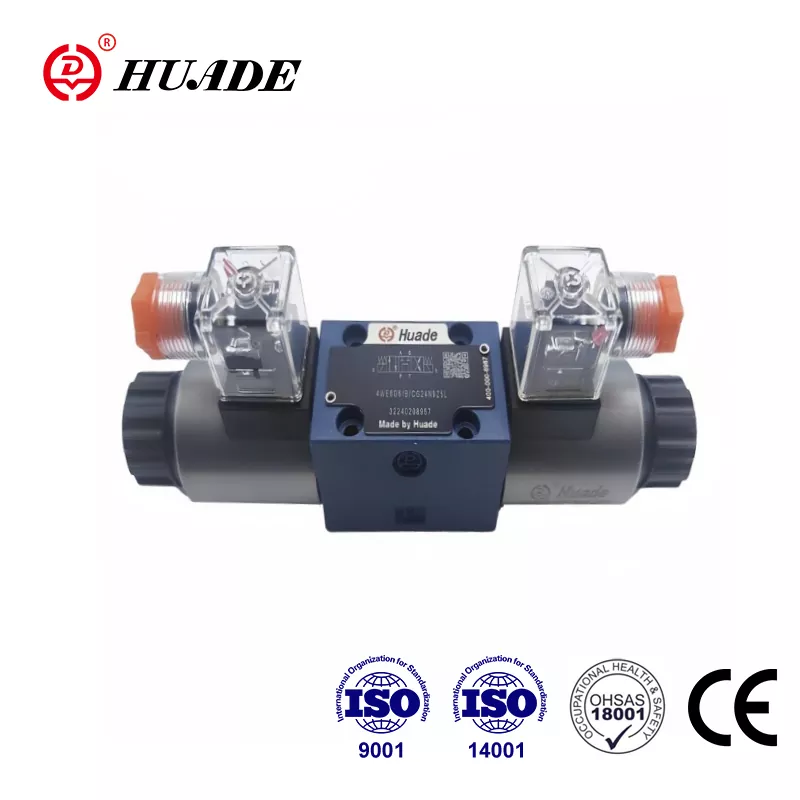
What Is a Directional Control Valve?
A Directional Control Valve is a hydraulic control component used to regulate the flow path of hydraulic oil inside a hydraulic system. By changing the position of the valve spool or control mechanism, it directs hydraulic fluid to different actuators, such as hydraulic cylinders or motors, allowing machines to perform specific movements.
In simple terms, the valve works like a "traffic controller" for hydraulic fluid. It determines where the oil flows and controls the movement direction of hydraulic equipment. Without an effective directional control valve, hydraulic systems cannot achieve accurate motion control.
A typical directional control valve consists of several key parts:
| Component | Function |
|---|---|
| Valve Body | Provides a stable structure and internal flow channels |
| Spool | Controls hydraulic oil direction by moving inside the valve body |
| Spring | Returns the spool to its original position |
| Control Mechanism | Allows manual, hydraulic, pneumatic, or electrical operation |
| Sealing System | Prevents oil leakage and maintains efficiency |
How Does a Directional Control Valve Work?
The working principle of a Directional Control Valve is based on controlling hydraulic fluid routes. When the valve receives an operation signal, the internal spool moves to a specific position. This movement changes the connection between the inlet, outlet, and actuator ports.
For example:
- When the spool moves to the forward position, hydraulic oil flows to one side of the cylinder, causing forward movement.
- When the spool moves to the reverse position, oil flow changes direction and the cylinder moves backward.
- When the spool remains in the neutral position, the actuator stops or maintains its current position.
This precise flow control enables hydraulic machines to operate smoothly and safely.
The main control methods include:
| Control Type | Features | Common Applications |
|---|---|---|
| Manual Control | Simple operation and easy maintenance | Small hydraulic equipment |
| Solenoid Control | Fast response and automatic operation | Industrial automation systems |
| Hydraulic Control | Suitable for heavy-duty applications | Construction machinery |
| Pneumatic Control | Reliable remote operation | Special industrial equipment |
Why Is a Directional Control Valve Important?
The performance of a hydraulic system depends greatly on the quality of its control components. A reliable Directional Control Valve provides accurate fluid management and ensures that machines operate efficiently.
1. Precise Motion Control
Directional valves allow hydraulic equipment to perform accurate movements. They help control the speed, direction, and stopping position of hydraulic actuators, which is especially important in applications requiring high precision.
2. Improved System Efficiency
By reducing unnecessary pressure loss and optimizing oil flow, a high-performance directional valve helps hydraulic systems consume less energy. This improves operating efficiency and reduces long-term maintenance costs.
3. Enhanced Equipment Safety
Unexpected movement of hydraulic machinery can cause serious problems. A durable directional control valve helps prevent uncontrolled operation by providing stable flow switching and reliable positioning.
4. Extended Equipment Service Life
A well-designed valve reduces hydraulic shock, leakage, and excessive wear. This protects other hydraulic components and increases the overall lifespan of the machine.
Main Types and Applications of Directional Control Valves
Different industries require different hydraulic control solutions. Choosing the right type of Directional Control Valve depends on working pressure, flow rate, control method, and application environment.
Common Types
| Type | Description | Advantages |
|---|---|---|
| 2-Way Valve | Controls simple on/off flow | Compact structure |
| 3-Way Valve | Controls single actuator operations | Flexible flow management |
| 4-Way Valve | Controls double-acting cylinders | Widely used in industrial systems |
| Multi-Way Valve | Controls multiple hydraulic functions | Suitable for complex machinery |
Application Industries
Directional control valves are widely used in:
- Construction machinery
- Agricultural equipment
- Material handling systems
- Injection molding machines
- Hydraulic presses
- Mining equipment
- Industrial automation systems
For example, excavators require directional valves to control boom lifting, arm movement, and bucket operation. Agricultural machinery uses them for steering, lifting, and equipment adjustment. Industrial production lines rely on them for automated hydraulic control.
Performance Advantages and Usage Effects
A high-quality Directional Control Valve can significantly improve hydraulic system performance. The actual benefits include better operational stability, faster response, and reduced downtime.
Major Usage Effects
1. Smooth Machine Operation
Advanced valve design ensures stable oil flow, reducing vibration and sudden movement during operation.
2. Faster Response Speed
A precision-engineered valve can quickly respond to control signals, improving machine working efficiency.
3. Lower Maintenance Requirements
Strong materials, accurate machining, and reliable sealing technology reduce leakage and component failure.
4. Better Adaptability
Modern directional valves can work under different pressure levels and environmental conditions, making them suitable for various industries.
How to Choose the Right Directional Control Valve?
Selecting a suitable Directional Control Valve requires consideration of several technical factors.
| Selection Factor | Why It Matters |
|---|---|
| Working Pressure | Ensures the valve can handle system pressure safely |
| Flow Capacity | Determines operating speed and efficiency |
| Control Method | Matches automation or manual operation requirements |
| Material Quality | Affects durability and corrosion resistance |
| Application Environment | Ensures reliable performance under different conditions |
Before purchasing, users should evaluate machine requirements, hydraulic system design, and operating conditions. Choosing an unsuitable valve may result in pressure loss, slow operation, or equipment failure.
Why Choose Jiangsu Huafilter Hydraulic Industry Co., Ltd.?
With professional experience in hydraulic technology, Jiangsu Huafilter Hydraulic Industry Co., Ltd. focuses on providing dependable hydraulic components and solutions for various industries. The company understands the importance of precision, durability, and stable performance in hydraulic applications.
The company's advantages include:
- Professional hydraulic manufacturing capabilities
- Strict quality control processes
- Advanced production technology
- Customized solutions for different applications
- Reliable product performance and long service life
By combining engineering expertise with customer-focused service, Jiangsu Huafilter Hydraulic Industry Co., Ltd. helps customers improve hydraulic system efficiency and achieve better equipment performance.
Whether for standard industrial applications or customized hydraulic projects, selecting a reliable Directional Control Valve supplier can make a significant difference in productivity and operational stability.
Frequently Asked Questions
1. What is the main function of a Directional Control Valve?
A Directional Control Valve controls the direction of hydraulic oil flow, allowing hydraulic actuators to move forward, backward, stop, or maintain position.
2. Where are Directional Control Valves commonly used?
They are widely used in construction machinery, agricultural machines, industrial automation equipment, hydraulic presses, and material handling systems.
3. How can a high-quality directional valve improve equipment performance?
A high-quality valve provides accurate flow control, reduces energy loss, improves operating stability, and extends the service life of hydraulic systems.
4. What factors should be considered when purchasing a Directional Control Valve?
Important factors include working pressure, flow capacity, control method, material quality, application requirements, and manufacturer reliability.
A reliable Directional Control Valve is a key element for achieving efficient, safe, and precise hydraulic system operation. With professional manufacturing experience and strong technical capabilities, Jiangsu Huafilter Hydraulic Industry Co., Ltd. is committed to delivering high-performance hydraulic solutions for global customers. If you are looking for durable hydraulic control components or customized solutions, contact us today to discuss your requirements and find the ideal hydraulic solution for your application.