

How Does a Diaphragm Valve Solve Flow Control Challenges?
2026-01-22
Abstract: Diaphragm valves are widely used in industries that demand reliable control of fluids with varying characteristics. This article explains how diaphragm valves address common flow control issues, including corrosion, contamination, and maintenance downtime. It includes key features, selection guidelines, practical benefits, and answers to frequently asked questions to help engineers, purchasers, and maintenance teams make informed decisions.
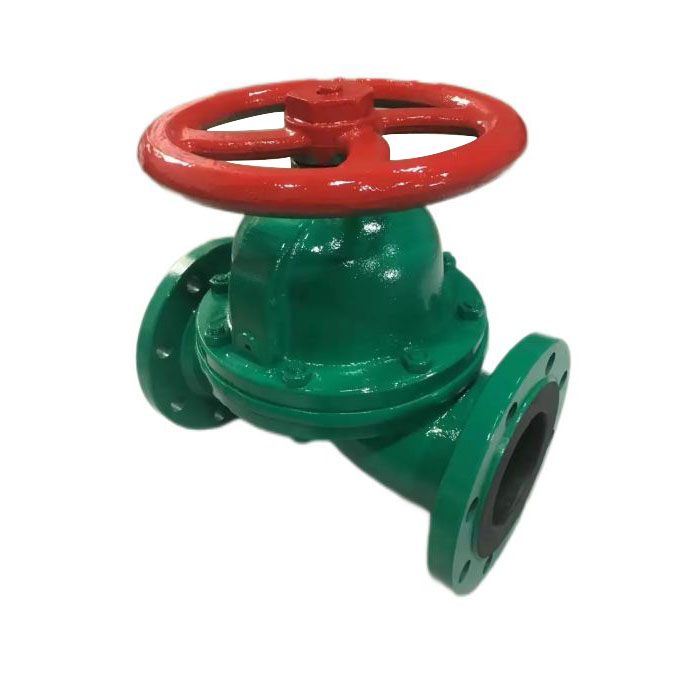
Table of Contents
- Introduction to Diaphragm Valves
- Common Flow Control Challenges in Industry
- How Diaphragm Valves Provide Solutions
- Types and Key Features of Diaphragm Valves
- How to Choose the Right Diaphragm Valve
- Maintenance and Longevity Strategies
- Frequently Asked Questions
- Conclusion and Next Steps
Introduction to Diaphragm Valves
Diaphragm valves are a class of fluid control devices that use a flexible membrane to regulate flow. Unlike traditional gate or ball valves, diaphragm valves offer a resilient seal and reduced risk of contamination. These characteristics make them essential in industries such as pharmaceuticals, food and beverage, water treatment, chemical processing, and semiconductor manufacturing.
Understanding how diaphragm valves mitigate operational pain points can help facility managers and engineers optimize process efficiency and reduce lifecycle costs.
Common Flow Control Challenges in Industry
Flow control systems face several persistent challenges that can impact operational efficiency, safety, and product quality. Key issues include:
- Corrosive Media: Many industrial fluids are chemically aggressive, damaging valve internals over time.
- Contamination Risk: In hygienic applications, any dead space or particulate buildup can compromise product purity.
- Leakage and Seal Failure: Poor sealing leads to fugitive emissions, safety hazards, and product loss.
- Maintenance Downtime: Frequent servicing interrupts production schedules.
- Variable Flow Requirements: Processes requiring precise control across a wide range of flow rates demand responsive valve performance.
How Diaphragm Valves Provide Solutions
Diaphragm valves mitigate the challenges listed above through their unique design and functional characteristics:
- Isolated Flow Path: The diaphragm creates a complete barrier between the fluid and the valve’s mechanical components. This isolation prevents corrosion of stems and seats.
- Smooth, Crevice-Free Interior: With minimized dead space, diaphragm valves reduce buildup and contamination risk, which is critical in sanitary environments.
- Positive Shutoff: The flexible diaphragm presses against the valve body to achieve tight sealing, significantly reducing leakage.
- Adaptive to Variable Conditions: The diaphragm’s responsiveness enables accurate control of low and high flow rates without cavitation or turbulence.
- Ease of Maintenance: Diaphragm replacement is straightforward and isolated from the main valve body, cutting maintenance time and cost.
Types and Key Features of Diaphragm Valves
| Valve Type | Typical Application | Main Advantage |
|---|---|---|
| Weir Diaphragm Valve | Slurries, viscous fluids | Low-pressure drop, minimal turbulence |
| Straight-Through Diaphragm Valve | Clean liquids, sterile processes | Unobstructed flow path |
| Pneumatic Actuated Diaphragm Valve | Automated control systems | Remote and precise modulation |
| Manual Diaphragm Valve | Simple on/off control | Low cost, easy operation |
Key Features to Recognize:
- Elastomer diaphragm tailored to fluid chemistry
- Seat design for positive shutoff
- Actuation options (manual, pneumatic, electric)
- Compliance with hygienic or industrial standards
How to Choose the Right Diaphragm Valve
Selecting the correct diaphragm valve requires aligning valve characteristics with process demands. Consider these factors:
- Fluid Type and Properties: Identify chemical compatibility, temperature, viscosity, and particulate content.
- Pressure and Flow Requirements: Choose a valve size and actuator that deliver the required throughput without causing undue stress on the diaphragm.
- Regulatory or Sanitary Standards: For food, beverage, or pharmaceutical use, ensure the valve meets relevant hygiene certifications.
- Actuation and Control: Determine whether manual, automated, or integrated control systems best fit your operational needs.
- Maintenance Accessibility: Confirm ease of diaphragm replacement and availability of service parts.
Maintenance and Longevity Strategies
Proper maintenance ensures diaphragm valves deliver reliable service over time. Recommended practices include:
- Regular Inspection: Periodically check for wear, cracking, and deformation of the diaphragm material.
- Scheduled Replacement: Replace diaphragms at manufacturer-recommended intervals rather than waiting for failure.
- Clean Installation Environment: Keep installation areas free from corrosive residues and contaminants that accelerate degradation.
- Calibration of Actuators: For automated systems, verify that control signals and actuator responses remain consistent.
Frequently Asked Questions
Q1: What is the main difference between a diaphragm valve and a ball valve?
A diaphragm valve uses a flexible membrane to control fluid flow, offering superior sealing and minimal contamination risk compared with the mechanical seats and seals in a ball valve.
Q2: Can diagonal valves handle abrasive fluids?
Yes, when equipped with appropriate diaphragm materials, diaphragm valves can handle abrasive fluids, but material selection and periodic maintenance remain crucial.
Q3: Are diaphragm valves suitable for high-pressure applications?
Diaphragm valves perform well in a wide range of pressures; however, for very high pressures, consult product specifications to ensure the design meets process requirements.
Q4: How often should diaphragm valves be serviced?
Service intervals depend on operating conditions, fluid properties, and duty cycles. As a general guide, periodic inspection and proactive diaphragm replacement optimize reliability.
Q5: What materials are commonly used for diaphragms?
Common elastomers include EPDM, PTFE-lined diaphragms, and other chemically resistant composites selected based on fluid compatibility.
Conclusion and Next Steps
Diaphragm valves provide robust solutions to complex flow control challenges across industries. Their sealing performance, ability to prevent contamination, and ease of maintenance make them a preferred choice for demanding applications. When selecting and maintaining diaphragm valves, careful consideration of fluid properties, valve type, and service practices will yield consistent performance and lower total lifecycle cost.
For reliable diaphragm valve solutions tailored to your needs, consider the FYL range of products engineered for durability and accuracy. Contact us today to discuss specifications, customization, and procurement support from our experienced team.