

How Does a Check Valve Work in Industrial Piping Systems?
2026-03-10
Article Summary
A check valve is a critical component in modern piping systems, designed to allow fluid to flow in only one direction while preventing reverse flow. This automatic function protects pumps, compressors, pipelines, and other equipment from damage caused by backflow or pressure surges. In industries such as water treatment, chemical processing, and oil transportation, selecting the right check valve can significantly improve system safety and operational efficiency.
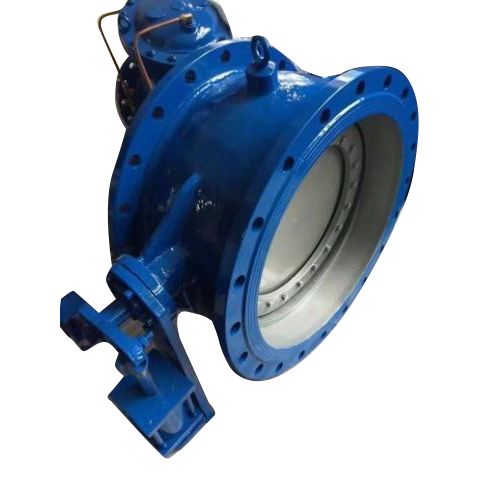
Table of Contents
- Introduction to Check Valves
- Working Principle of a Check Valve
- Main Components of a Check Valve
- Common Types of Check Valves
- Key Advantages of Using Check Valves
- Typical Industrial Applications
- Selection and Installation Tips
- Product Parameters Example
- Frequently Asked Questions
- Conclusion
Introduction to Check Valves
A check valve, often referred to as a non-return valve or one-way valve, is designed to allow fluid or gas to move in a single direction within a pipeline. When fluid attempts to reverse direction, the valve automatically closes to block the flow. This simple but effective mechanism protects equipment and maintains system stability. :contentReference[oaicite:0]{index=0}
Unlike many other valves, check valves do not require manual control, electricity, or external actuation. They operate automatically based on pressure differences between the inlet and outlet sides of the valve. :contentReference[oaicite:1]{index=1}
Because of their reliability and simplicity, check valves are widely used in water supply systems, chemical plants, energy facilities, and HVAC systems where preventing backflow is essential.
Working Principle of a Check Valve
The operation of a check valve is based on pressure differential. Fluid pressure from the inlet side pushes the internal sealing element—such as a disc, ball, or piston—away from the seat, allowing flow through the valve. When pressure drops or reverses, the element moves back to the seat, sealing the passage and preventing reverse flow. :contentReference[oaicite:2]{index=2}
The process can be simplified into three stages:
- Opening stage: When inlet pressure exceeds outlet pressure, the valve opens automatically.
- Full-flow stage: Fluid continues moving through the valve with minimal resistance.
- Closing stage: Reverse pressure pushes the internal component back onto the seat, blocking backflow.
Most check valves require a minimum pressure known as cracking pressure to initiate opening. This pressure ensures stable operation and prevents unnecessary valve movement. :contentReference[oaicite:3]{index=3}
Main Components of a Check Valve
Although check valves come in many designs, most share several fundamental components that enable automatic operation.
| Component | Function |
|---|---|
| Valve Body | Main housing that connects to the pipeline |
| Disc / Ball | Movable element that opens and closes based on flow direction |
| Seat | Sealing surface where the disc closes to stop backflow |
| Spring (Optional) | Assists the valve in closing quickly when flow stops |
| Bonnet | Protective cover that encloses internal components |
These components work together to create a simple yet highly effective backflow prevention mechanism.
Common Types of Check Valves
Different industrial systems require different valve structures. The following are some of the most widely used check valve designs:
- Swing Check Valve – Uses a hinged disc that swings open with flow and closes with reverse pressure.
- Ball Check Valve – Utilizes a ball that moves away from the seat when fluid flows forward.
- Lift Check Valve – A disc lifts vertically from the seat to allow flow.
- Dual Plate Check Valve – Two spring-loaded plates open with flow and close quickly to prevent backflow.
- Spring-loaded Check Valve – Uses spring force to ensure faster closure and reduced water hammer.
Each type is designed for specific flow rates, pressures, and installation orientations.
Key Advantages of Using Check Valves
Installing high-quality check valves offers several operational benefits in fluid systems:
- Prevents reverse flow and contamination
- Protects pumps, compressors, and pipelines
- Reduces risk of water hammer and pressure damage
- Requires no manual operation or electrical control
- Simple structure with low maintenance requirements
Because of these advantages, check valves are considered essential safety components in many industrial systems.
Typical Industrial Applications
Check valves are used across a wide range of industries where fluid direction control is critical.
- Water supply and municipal pipelines
- Oil and gas transmission systems
- Chemical processing plants
- Power generation facilities
- HVAC and building systems
- Pump protection systems
For example, pumps frequently use check valves on inlet or discharge lines to prevent reverse flow that could damage equipment or cause pressure surges. :contentReference[oaicite:4]{index=4}
Selection and Installation Tips
Choosing the correct check valve is essential for optimal system performance. Several factors should be considered before installation:
- Fluid type and temperature
- Operating pressure and flow rate
- Pipe diameter and connection type
- Installation orientation
- Required cracking pressure
Proper installation is equally important. Most check valves include an arrow indicating the correct flow direction. Installing the valve in the wrong direction can block flow or cause system pressure issues. :contentReference[oaicite:5]{index=5}
Product Parameters Example
| Parameter | Specification |
|---|---|
| Nominal Diameter | DN15 – DN600 |
| Pressure Rating | PN10 – PN40 |
| Body Material | Cast Iron, Stainless Steel, Carbon Steel |
| Connection Type | Flanged, Threaded, Wafer |
| Applicable Media | Water, Oil, Gas, Chemical Fluids |
| Operating Temperature | -20°C to 400°C |
High-quality check valves manufactured by FYL are designed to meet demanding industrial requirements, ensuring durability, precise sealing, and stable performance in complex piping environments.
Frequently Asked Questions
Q1: What is the main purpose of a check valve?
The primary purpose of a check valve is to prevent reverse flow in pipelines. By allowing fluid to move in only one direction, it protects equipment such as pumps and compressors from potential damage.
Q2: Does a check valve require manual operation?
No. Check valves operate automatically using pressure differences within the pipeline. This self-actuating feature makes them highly reliable and easy to maintain.
Q3: What causes a check valve to close?
A check valve closes when forward pressure drops or when reverse pressure occurs. The internal disc, ball, or plate moves back onto the seat, sealing the valve and preventing backflow.
Q4: Where should a check valve be installed?
Check valves are typically installed near pumps, compressors, or outlets where reverse flow could occur. Correct orientation following the flow direction arrow is essential.
Conclusion
Check valves are indispensable components in modern piping systems. Their automatic operation ensures that fluids flow in the correct direction while preventing backflow that could damage equipment or contaminate pipelines. With proper selection and installation, these valves can significantly improve system safety, efficiency, and reliability.
As a professional valve manufacturer, FYL provides high-performance check valves designed for demanding industrial environments. If you are looking for durable and efficient solutions for your piping system, our technical team is ready to help. Visit our product page to learn more about available specifications and applications.
Contact us today to discuss your project requirements and receive professional support from FYL’s valve specialists.