

How Does a Charging Valve Work and Why Is It Essential?
2026-05-19
Summary: Charging valves play a critical role in various mechanical and hydraulic systems, enabling safe, efficient, and controlled fluid transfer. In this article, we explore the functions, types, applications, maintenance tips, and troubleshooting strategies of charging valves, helping engineers, technicians, and operators make informed decisions and improve system performance.
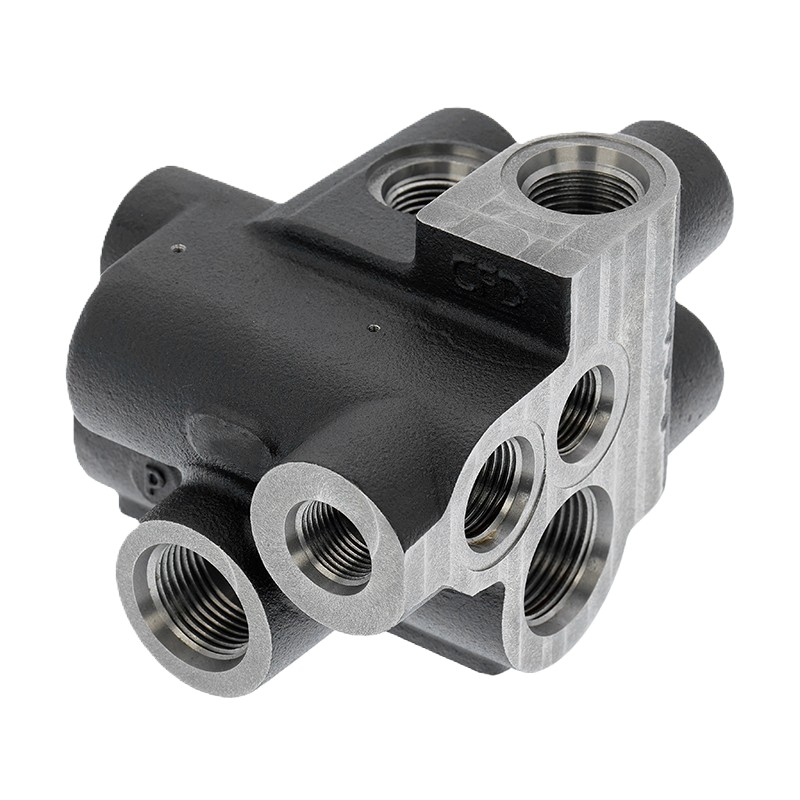
Table of Contents
- What is a Charging Valve?
- Types of Charging Valves
- Applications of Charging Valves
- How to Use a Charging Valve Correctly
- Maintenance Tips for Longevity
- Common Issues and Troubleshooting
- FAQ
What is a Charging Valve?
A charging valve is a specialized mechanical component designed to control the introduction or removal of fluids—such as oil, refrigerant, or hydraulic fluid—into a pressurized system. It ensures that the system can be charged without leaks or pressure loss, maintaining operational efficiency and safety.
Key functions of a charging valve include:
- Regulating fluid flow to avoid overfilling or underfilling.
- Providing a secure interface for fluid injection.
- Preventing contamination by sealing the system effectively.
At Qingdao Difon Machinery Co., Ltd., the charging valves are engineered with high precision to meet rigorous industrial standards.
Types of Charging Valves
Charging valves can vary depending on their design and intended application. The main types include:
| Type | Description | Common Use |
|---|---|---|
| Manual Charging Valve | Operated by hand, typically using a lever or knob. | Small-scale hydraulic or pneumatic systems. |
| Automatic Charging Valve | Opens or closes based on pressure or flow sensors. | Industrial hydraulic systems, HVAC systems. |
| High-Pressure Charging Valve | Designed to handle fluids under very high pressure. | Heavy machinery, transformers, and gas compression units. |
Applications of Charging Valves
Charging valves are widely used across multiple industries. Their primary applications include:
- Hydraulic Systems: To fill, top up, or drain hydraulic fluid safely.
- Refrigeration and HVAC: For controlled refrigerant charging.
- Power Transformers: To inject insulating oils and maintain pressure balance.
- Industrial Machinery: In lubrication systems to ensure smooth operation.
Using a high-quality charging valve from Qingdao Difon Machinery Co., Ltd. guarantees reliable performance and reduces downtime caused by leaks or improper fluid handling.
How to Use a Charging Valve Correctly
Proper use of a charging valve is crucial for safety and efficiency. Follow these steps:
- Ensure the system is depressurized before connecting the valve.
- Check that the valve is compatible with the fluid type and pressure rating.
- Connect the charging hose securely to avoid leaks.
- Open the valve slowly and monitor the pressure gauge carefully.
- Close the valve fully after charging, and remove any connectors safely.
- Document the fluid levels and maintenance for future reference.
Maintenance Tips for Longevity
Regular maintenance extends the lifespan of charging valves and ensures operational reliability:
- Inspect for leaks or damage before each use.
- Lubricate moving parts according to manufacturer recommendations.
- Clean the valve and connectors to prevent contamination.
- Replace seals and gaskets periodically.
- Store in a clean, dry environment when not in use.
Common Issues and Troubleshooting
Despite their robust design, charging valves can encounter problems. Common issues include:
| Issue | Possible Cause | Solution |
|---|---|---|
| Leakage | Worn seals or improper connection | Replace seals and ensure proper attachment |
| Valve Stuck | Corrosion or debris inside the valve | Clean thoroughly and apply lubricant |
| Pressure Drop | Partial blockage or system leak | Inspect the system and clear blockages |
FAQ
Q1: Can a charging valve be used with multiple fluid types?
A1: Yes, but always confirm material compatibility to avoid corrosion or contamination.
Q2: How often should a charging valve be maintained?
A2: Maintenance depends on usage frequency, but inspection before each use is recommended.
Q3: Are there safety precautions for high-pressure charging valves?
A3: Always depressurize the system before connecting or disconnecting, wear protective gear, and follow manufacturer guidelines.
At Qingdao Difon Machinery Co., Ltd., we specialize in precision-engineered charging valves that meet industrial demands. Our products ensure safe, efficient, and reliable operation for all your fluid management systems. For more information or to request a quote, contact us today and experience the difference in quality and performance.