

How Does a Charging Valve Improve System Safety and Performance?
2026-04-15
Abstract:
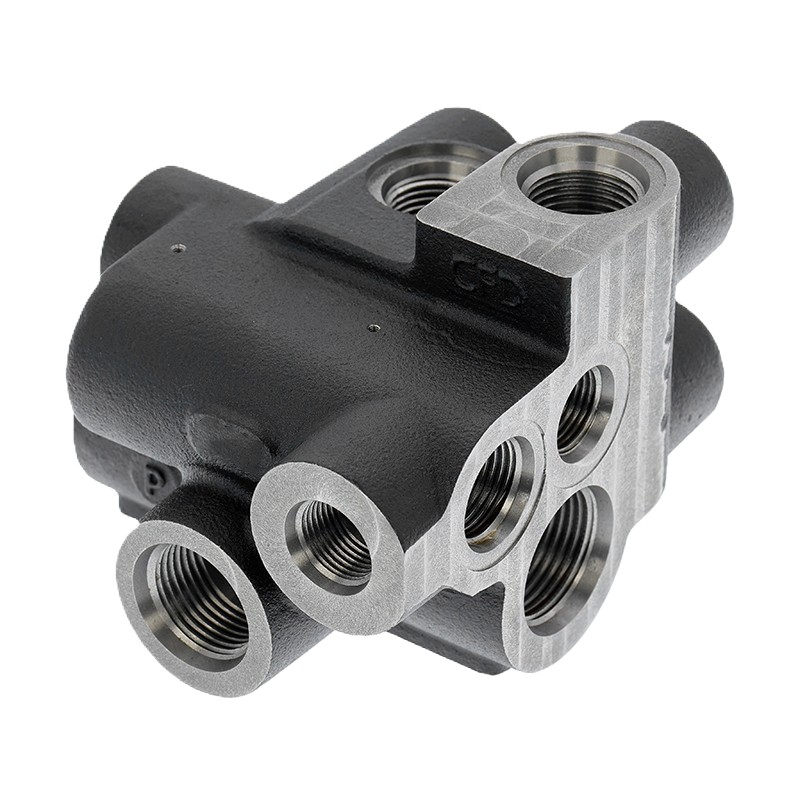
A charging valve is a critical component in pressurized systems, responsible for controlling fluid or gas charging, pressure retention, and operational stability. Whether used in hydraulic equipment, refrigeration systems, gas cylinders, or industrial machinery, selecting the right charging valve directly affects safety, efficiency, and maintenance costs. This article explains how charging valves work, common customer pain points, selection criteria, and practical solutions to help buyers make informed decisions. With advanced manufacturing expertise, Difon provides precision-engineered charging valve solutions for demanding industrial applications.
Contents
- Introduction to Charging Valves
- How a Charging Valve Works
- Main Problems Customers Face When Choosing Charging Valves
- Key Benefits of High-Quality Charging Valves
- Types of Charging Valves and Their Applications
- How to Select the Right Charging Valve
- Charging Valve Maintenance Tips
- Why Difon Charging Valves Stand Out
- FAQ
- Conclusion
Introduction to Charging Valves
A charging valve is designed to regulate the filling, sealing, and release of gas or fluid into pressurized systems. These valves are commonly found in hydraulic accumulators, HVAC units, refrigeration systems, gas storage devices, and pneumatic machinery.
In many industrial environments, system failure can often be traced back to poor valve sealing, pressure leakage, corrosion, or incompatible valve materials. A properly designed charging valve prevents these issues by maintaining precise pressure control and ensuring leak-free performance over long operating cycles.
How a Charging Valve Works
The function of a charging valve is straightforward but highly important: it allows controlled charging of gas or liquid into a closed system while preventing reverse leakage.
- Fluid or gas enters through the inlet port
- Internal sealing mechanism regulates pressure flow
- Valve closes automatically after charging completes
- Pressure remains locked inside system chamber
This controlled mechanism ensures stable system pressure, which is essential for performance consistency and equipment longevity.
| Component | Function |
|---|---|
| Valve Body | Provides structural housing and pressure resistance |
| Seal Ring | Prevents leakage during and after charging |
| Spring Mechanism | Controls opening and closing pressure response |
| Inlet Port | Allows charging media entry |
| Core Needle | Regulates flow precision |
Main Problems Customers Face When Choosing Charging Valves
Many buyers encounter repeated operational failures because they underestimate valve quality differences. Below are the most common pain points:
- Frequent leakage caused by poor sealing materials
- Pressure instability during high-load operation
- Corrosion in harsh environments
- Difficulty matching valve size with equipment specifications
- Short lifespan leading to repeated replacement costs
These issues not only interrupt production but may also create safety hazards in high-pressure systems.
Key Benefits of High-Quality Charging Valves
Investing in premium charging valves significantly improves system reliability. A well-manufactured valve offers:
- Consistent pressure retention
- Superior leak prevention
- Extended service life
- Lower maintenance frequency
- Improved operational safety
High-grade machining precision is especially important in industries where even minor pressure deviation can affect output quality.
Types of Charging Valves and Their Applications
Charging valves are available in multiple configurations depending on system requirements.
| Type | Application |
|---|---|
| Hydraulic Charging Valve | Hydraulic accumulators and pressure systems |
| Refrigerant Charging Valve | HVAC and refrigeration systems |
| Gas Cylinder Charging Valve | Compressed gas storage tanks |
| Pneumatic Charging Valve | Industrial automation equipment |
| Custom Precision Valve | Specialized OEM machinery |
How to Select the Right Charging Valve
Selecting the correct charging valve requires careful evaluation of several technical factors:
- Operating pressure range
- Media compatibility (gas, oil, refrigerant)
- Thread size and port dimensions
- Temperature resistance
- Material type (stainless steel, brass, alloy steel)
Before purchasing, always verify compatibility with your machinery design specifications to avoid costly mismatches.
Charging Valve Maintenance Tips
Even the best charging valves require regular inspection to preserve long-term performance.
- Check seals periodically for wear or cracking
- Inspect for corrosion around threaded connections
- Clean valve openings to prevent contamination buildup
- Test pressure retention regularly
- Replace damaged cores immediately
Routine maintenance minimizes downtime and helps prevent unexpected pressure failures.
Why Difon Charging Valves Stand Out
Difon has built a strong reputation in precision machining by delivering durable, high-performance charging valves designed for industrial-grade reliability. Every charging valve manufactured by Difon undergoes strict dimensional control and sealing performance testing to ensure dependable operation under demanding conditions.
Key advantages of Difon charging valves include:
- Precision CNC machining accuracy
- Excellent sealing reliability
- Customizable specifications for OEM projects
- Durable materials for harsh environments
- Stable performance in high-pressure systems
For industries where valve reliability directly impacts productivity, Difon offers a dependable solution engineered for consistency and safety.
FAQ
1. What is the primary purpose of a charging valve?
Its main purpose is to safely charge and retain gas or fluid in pressurized systems while preventing leakage.
2. How do I know if my charging valve is leaking?
Signs include pressure loss, inconsistent equipment performance, audible leaks, or visible fluid escape around seals.
3. Which material is best for charging valves?
It depends on the application, but stainless steel is widely preferred for corrosion resistance and durability.
4. Can charging valves be customized?
Yes, many manufacturers including Difon offer custom sizes, materials, and pressure ratings.
5. How often should charging valves be replaced?
Replacement depends on operating conditions, but routine inspections should determine wear before failure occurs.
Conclusion
A charging valve plays a vital role in maintaining pressure stability, operational safety, and equipment efficiency. Choosing a high-quality valve reduces system failures, lowers maintenance costs, and improves long-term productivity. If you are looking for precision-engineered charging valve solutions backed by reliable manufacturing expertise, Difon is ready to support your industrial needs with customized products tailored to your application requirements.
Need a dependable charging valve for your next project? Contact us today and let Difon help you find the right solution for safer, more efficient system performance.