

How Does a Car Tire Valve Improve Vehicle Safety and Tire Performance?
2026-08-14
Article Summary
A car tire valve is a small but essential component that directly affects tire pressure stability, driving safety, fuel efficiency, and tire lifespan. Many vehicle owners focus on tire brands, tread patterns, and wheel designs while overlooking the importance of the tire valve. However, a damaged or low-quality valve can cause slow air leakage, unstable tire pressure, uneven tire wear, and potential safety risks.
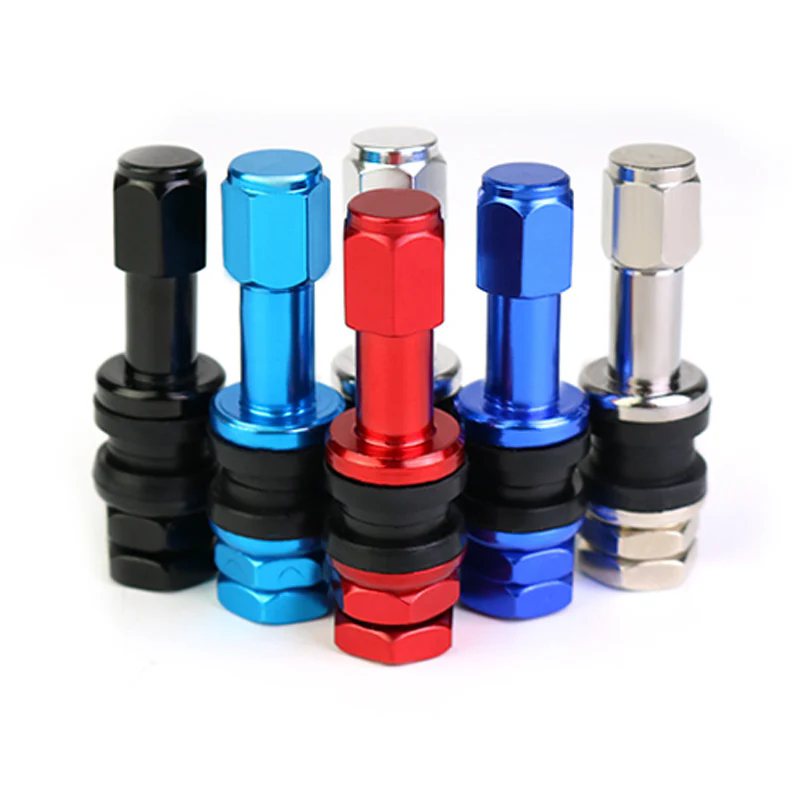
This comprehensive guide explains how a Car Tire Valve works, why it matters, what types are available, how to select the right valve, and how professional manufacturers such as Ningbo Haishu Yinping Auto Parts Co., Ltd. provide reliable solutions for automotive applications. The goal is to help drivers, distributors, and automotive businesses better understand this critical component and make informed decisions.
Table of Contents
- What Is a Car Tire Valve?
- How Does a Car Tire Valve Work?
- Why Is a Car Tire Valve Important for Vehicle Safety?
- What Are the Different Types of Car Tire Valves?
- How to Choose the Right Car Tire Valve?
- Common Car Tire Valve Problems and Solutions
- Why Choose Ningbo Haishu Yinping Auto Parts Co., Ltd.?
- Frequently Asked Questions
What Is a Car Tire Valve?
A Car Tire Valve is a small air control device installed on a vehicle wheel that allows air to enter the tire and prevents air from escaping. Although it occupies only a small space on the wheel assembly, it plays a critical role in maintaining proper tire pressure.
Modern vehicles depend on stable tire pressure to achieve safe handling, efficient fuel consumption, and comfortable driving performance. The tire valve acts as the connection point between the tire and external air sources, allowing technicians and drivers to inflate, deflate, and check tire pressure whenever necessary.
A complete tire valve system usually includes several important components:
| Component | Main Function |
|---|---|
| Valve Stem | Provides the air passage between the tire and outside environment |
| Valve Core | Controls airflow and creates an airtight seal |
| Valve Cap | Protects the valve from dust, moisture, and contaminants |
| Sealing Structure | Prevents air leakage around the wheel rim connection |
How Does a Car Tire Valve Work?
The working principle of a Car Tire Valve is simple but highly effective. When a tire needs inflation, the air pump connector presses the internal valve core, allowing compressed air to flow into the tire. Once the connector is removed, the spring-loaded valve core returns to its original position and seals the air inside.
During normal driving conditions, the valve must continuously withstand:
- Internal tire pressure
- Road vibration and mechanical stress
- Temperature changes
- Rain, dust, and chemical exposure
A high-quality valve maintains stable sealing performance even under demanding conditions. This is why material selection, manufacturing precision, and quality inspection are extremely important for automotive valve production.
Why Is a Car Tire Valve Important for Vehicle Safety?
Many drivers do not realize that tire pressure problems are not always caused by tire damage. In many cases, air leakage starts from a worn or defective valve. A reliable Car Tire Valve helps maintain the recommended tire pressure and supports safer vehicle operation.
The major benefits include:
| Benefit | Impact on Vehicle Performance |
|---|---|
| Stable Tire Pressure | Improves handling control and driving confidence |
| Reduced Air Leakage | Prevents unexpected pressure loss |
| Better Fuel Efficiency | Reduces unnecessary rolling resistance |
| Longer Tire Life | Helps prevent uneven tire wear |
| Enhanced Safety | Reduces risks caused by underinflated tires |
A small component can create major consequences when ignored. Regular inspection of tire valves during tire replacement or maintenance can help prevent costly repairs and unexpected roadside problems.
What Are the Different Types of Car Tire Valves?
Different vehicles require different valve designs depending on wheel structure, operating conditions, and pressure requirements. Selecting the correct valve type ensures reliable performance.
| Valve Type | Material | Typical Application | Main Advantages |
|---|---|---|---|
| Rubber Snap-In Valve | EPDM Rubber and Brass | Passenger Cars | Flexible installation and cost-effective performance |
| Metal Clamp-In Valve | Aluminum Alloy or Brass | High-performance vehicles and commercial vehicles | Higher durability and temperature resistance |
| TPMS Valve | Metal Alloy with Sensor Compatibility | Vehicles equipped with tire pressure monitoring systems | Supports electronic pressure monitoring |
| Special Customized Valve | Various engineered materials | OEM automotive applications | Designed for specific vehicle requirements |
How to Choose the Right Car Tire Valve?
Choosing a suitable Car Tire Valve requires considering several technical factors. The wrong valve may lead to poor sealing, installation difficulties, or reduced service life.
Important selection factors include:
- Vehicle Compatibility: Confirm that the valve matches the wheel and tire specifications.
- Material Quality: High-grade rubber and corrosion-resistant metals provide longer durability.
- Pressure Requirements: Different vehicles operate under different pressure conditions.
- Environmental Resistance: The valve should withstand heat, moisture, and road conditions.
- Manufacturing Accuracy: Precise dimensions ensure reliable installation and sealing.
For automotive distributors and manufacturers, choosing a dependable supplier is equally important. Consistent quality control helps reduce product failures and improves customer satisfaction.
Common Car Tire Valve Problems and Solutions
| Problem | Possible Cause | Recommended Solution |
|---|---|---|
| Slow Tire Pressure Loss | Damaged valve core or aging seal | Inspect and replace the valve component |
| Air Leakage Around Rim | Poor installation or damaged sealing area | Install a properly matched valve |
| Cracked Rubber Valve | Long-term exposure to sunlight and temperature changes | Replace with a durable rubber valve |
| Corrosion Issues | Moisture and chemical exposure | Use corrosion-resistant materials |
Why Choose Ningbo Haishu Yinping Auto Parts Co., Ltd.?
Ningbo Haishu Yinping Auto Parts Co., Ltd. specializes in the development and manufacturing of reliable automotive components, including high-quality Car Tire Valve solutions. With professional production experience and strict attention to product reliability, the company provides products designed to meet the requirements of global automotive markets.
The company focuses on:
- Reliable raw material selection
- Precision manufacturing processes
- Stable product performance
- OEM and customized solutions
- Strict quality management procedures
For automotive repair businesses, distributors, and vehicle manufacturers, selecting a professional valve supplier helps ensure consistent performance and long-term customer value.
How Can Regular Car Tire Valve Maintenance Save Costs?
Preventive maintenance is always more economical than emergency repairs. Checking tire pressure regularly and inspecting valve conditions can help identify problems before they become serious.
- Check tire pressure according to vehicle recommendations.
- Inspect valve stems for cracks or visible damage.
- Ensure valve caps remain installed and clean.
- Replace old valves when installing new tires.
- Choose quality replacement products from reliable manufacturers.
Frequently Asked Questions
Q1: How often should a Car Tire Valve be replaced?
A Car Tire Valve is generally recommended to be replaced when installing new tires because aging seals and rubber materials may lose their original performance over time.
Q2: Can a damaged tire valve cause slow air leakage?
Yes. A worn valve core, damaged sealing area, or aging rubber stem can allow air to escape slowly, causing gradual tire pressure loss.
Q3: Are all Car Tire Valves universal?
No. Different vehicles require different valve sizes, materials, and designs. Compatibility with the wheel and tire system should always be confirmed before installation.
Q4: Why is tire pressure important for driving safety?
Correct tire pressure improves vehicle stability, braking performance, fuel efficiency, and tire durability. A reliable valve helps maintain this pressure consistently.
Q5: Why choose Ningbo Haishu Yinping Auto Parts Co., Ltd. for Car Tire Valve products?
Ningbo Haishu Yinping Auto Parts Co., Ltd. provides professional automotive valve manufacturing solutions with a focus on durability, precision, and dependable performance for different market requirements.
Conclusion
Although a Car Tire Valve is one of the smallest parts of a vehicle, its role in maintaining tire safety and performance is extremely important. A high-quality valve supports stable tire pressure, improves driving efficiency, and helps extend tire service life.
By understanding valve functions, choosing suitable products, and working with experienced manufacturers like Ningbo Haishu Yinping Auto Parts Co., Ltd., customers can achieve safer and more reliable automotive solutions.
For professional Car Tire Valve products, customized automotive component solutions, or bulk purchasing requirements, please contact Ningbo Haishu Yinping Auto Parts Co., Ltd. today. Our team is ready to provide reliable products and professional support. Contact us to explore the best solution for your automotive needs.