

How Does a Butterfly Check Valve Improve Fluid Control and System Reliability?
2026-07-15
Article Summary
A reliable fluid control system depends on components that can prevent backflow, reduce pressure loss, and maintain stable operation under different working conditions. A Butterfly Check Valve is an essential solution widely used in water treatment, chemical processing, power generation, petroleum, HVAC, and industrial pipeline systems. Unlike traditional check valves, butterfly check valves combine efficient flow control, compact structure, and quick response characteristics to protect pipelines and equipment from reverse flow damage.
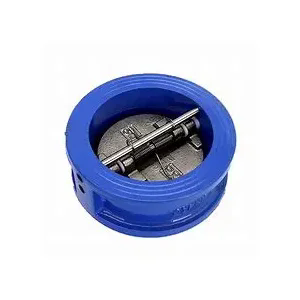
This article explains how a Butterfly Check Valve works, why industries choose this valve type, what problems it solves, and how to select the right model for different applications. It also introduces key factors affecting performance, maintenance requirements, and practical purchasing considerations to help engineers and buyers make better decisions.
Table of Contents
- 1. What Is a Butterfly Check Valve?
- 2. How Does a Butterfly Check Valve Work?
- 3. What Problems Can a Butterfly Check Valve Solve?
- 4. Butterfly Check Valve vs Traditional Check Valve
- 5. How to Select the Right Butterfly Check Valve?
- 6. Main Applications of Butterfly Check Valves
- 7. Maintenance Tips for Longer Valve Service Life
- 8. Frequently Asked Questions
1. What Is a Butterfly Check Valve?
A Butterfly Check Valve is a type of non-return valve designed to allow fluid flow in one direction while automatically preventing reverse flow. It uses a disc-shaped closing mechanism installed inside the valve body. When fluid moves forward, the disc opens smoothly. When flow stops or reverses, the disc closes quickly to protect the pipeline system.
Compared with conventional swing check valves or lift check valves, butterfly check valves feature a more compact design, lighter weight, and lower installation requirements. These advantages make them suitable for large-diameter pipelines where space, efficiency, and reliability are important concerns.
| Feature | Description |
|---|---|
| Valve Type | Non-return valve for preventing reverse flow |
| Main Structure | Valve body, butterfly disc, shaft, sealing components |
| Operation Principle | Automatic opening and closing according to fluid pressure |
| Common Media | Water, oil, gas, chemicals, and industrial fluids |
| Main Benefit | Stable flow control with reduced pressure loss |
2. How Does a Butterfly Check Valve Work?
Understanding the working principle of a Butterfly Check Valve helps engineers select the right valve for their systems. The operation is based on fluid pressure differences rather than external power sources.
When the upstream pressure becomes higher than the downstream pressure, the fluid pushes the butterfly disc open. The disc rotates around the valve shaft, creating a passage for fluid movement. As long as the flow remains stable, the valve stays open with minimal resistance.
When the fluid pressure decreases or reverse flow occurs, the disc automatically returns to the closed position. This rapid response prevents backflow, water hammer effects, equipment damage, and unnecessary system downtime.
The Operating Process Includes:
- Forward Flow: Fluid pressure pushes the disc open and allows normal circulation.
- Stable Operation: The valve maintains an open position with low flow resistance.
- Flow Reduction: Reduced pressure allows the disc to begin closing.
- Reverse Flow Prevention: The disc closes completely to protect the pipeline.
3. What Problems Can a Butterfly Check Valve Solve?
Industrial pipeline systems often face challenges such as reverse flow, pressure fluctuations, equipment damage, and high maintenance costs. A properly designed Butterfly Check Valve helps solve these common problems effectively.
| Common Challenge | How Butterfly Check Valve Helps |
|---|---|
| Reverse fluid flow | Automatically blocks unwanted backward movement of fluids |
| Water hammer impact | Provides fast closing performance to reduce pressure shock |
| Limited installation space | Compact structure requires less space than many traditional valves |
| High energy consumption | Low flow resistance helps reduce pressure loss |
| Frequent maintenance | Simple structure improves durability and reliability |
For industries operating continuously, valve reliability directly affects production efficiency. Choosing a high-quality butterfly check valve can reduce unexpected shutdowns and improve the overall safety of pipeline systems.
4. Butterfly Check Valve vs Traditional Check Valve
Different check valve designs have different advantages. Understanding the differences helps customers choose a suitable solution based on their application requirements.
| Comparison Factor | Butterfly Check Valve | Traditional Check Valve |
|---|---|---|
| Structure | Compact disc-type structure | Usually larger internal components |
| Installation Space | Requires less space | May require larger installation area |
| Flow Resistance | Lower pressure loss | Higher resistance in some designs |
| Large Diameter Application | Highly suitable | May increase weight and cost |
| Maintenance | Easy inspection and servicing | More complicated for some models |
5. How to Select the Right Butterfly Check Valve?
Selecting the correct valve requires careful evaluation of operating conditions. A wrong choice may lead to leakage, inefficient operation, or premature failure.
Important Selection Factors:
- Pipeline Size: Choose the correct valve diameter according to the pipeline specifications.
- Pressure Rating: Confirm that the valve can handle maximum system pressure.
- Temperature Range: Select suitable materials according to working temperature.
- Medium Compatibility: Valve materials should match the characteristics of the transported fluid.
- Installation Environment: Consider outdoor conditions, corrosion risks, and available space.
- Sealing Performance: Reliable sealing helps prevent leakage and improves safety.
Professional valve manufacturers can provide customized solutions according to specific project requirements. Tianjin Tanggu Shengshi Huagong Valve Co., Ltd. focuses on developing and manufacturing reliable valve products designed for different industrial applications.
6. Main Applications of Butterfly Check Valves
Because of their excellent performance and flexible design, Butterfly Check Valves are widely used in many industries.
| Industry | Application Examples |
|---|---|
| Water Treatment | Pumping stations, water supply networks, wastewater systems |
| Power Industry | Cooling water systems and auxiliary pipelines |
| Chemical Industry | Fluid transportation systems requiring reliable flow protection |
| Petroleum Industry | Oil pipeline and processing equipment protection |
| HVAC Systems | Building circulation and industrial cooling systems |
7. Maintenance Tips for Longer Valve Service Life
Although Butterfly Check Valves are designed for durability, regular inspection and proper maintenance can significantly extend service life.
- Check sealing components regularly for signs of wear.
- Inspect the disc movement to ensure smooth operation.
- Remove accumulated debris from the pipeline system.
- Monitor abnormal vibration or noise during operation.
- Confirm that operating pressure remains within the valve rating.
- Replace damaged components promptly to prevent larger failures.
A preventive maintenance program helps companies avoid unexpected production interruptions and maintain safe pipeline operation.
8. Frequently Asked Questions
Q1: What is the main purpose of a Butterfly Check Valve?
The main purpose is to prevent reverse fluid flow in pipeline systems while allowing normal forward flow. It protects pumps, equipment, and pipelines from damage caused by backflow.
Q2: Where are Butterfly Check Valves commonly used?
They are commonly used in water treatment, chemical processing, power plants, petroleum systems, HVAC networks, and other industrial fluid applications.
Q3: How long can a Butterfly Check Valve operate?
Service life depends on materials, operating conditions, maintenance practices, and installation quality. Proper selection and regular maintenance can significantly extend operating life.
Q4: Why choose a Butterfly Check Valve instead of other check valves?
Butterfly Check Valves offer advantages including compact design, lower pressure loss, easy installation, and reliable reverse flow prevention, especially for large-diameter pipeline systems.
Q5: How can customers choose a reliable Butterfly Check Valve supplier?
Customers should consider manufacturing experience, product quality control, technical support capability, and the supplier’s ability to provide solutions for specific operating conditions.
Conclusion
A Butterfly Check Valve plays an important role in maintaining safe, efficient, and reliable pipeline operation. By preventing reverse flow, reducing pressure loss, and supporting long-term system stability, it helps industries improve productivity and reduce maintenance challenges.
When selecting a valve solution, customers should focus on application requirements, operating conditions, material compatibility, and supplier expertise. Tianjin Tanggu Shengshi Huagong Valve Co., Ltd. provides dependable valve solutions designed to meet diverse industrial needs. For professional Butterfly Check Valve solutions and customized support, please contact us today and let our experienced team help you choose the right valve for your application.