

How Does a Brass Stop Valve Improve Flow Control in Plumbing Systems?
2026-02-10
Article Summary
A Brass Stop Valve is a critical component in residential, commercial, and industrial piping systems, designed to regulate or completely shut off the flow of liquids or gases. Selecting the right valve directly affects system safety, maintenance efficiency, and long-term operating costs. This article provides a comprehensive explanation of how brass stop valves work, their structural advantages, application scenarios, selection criteria, and maintenance considerations, helping decision-makers address common operational pain points with clarity and confidence.
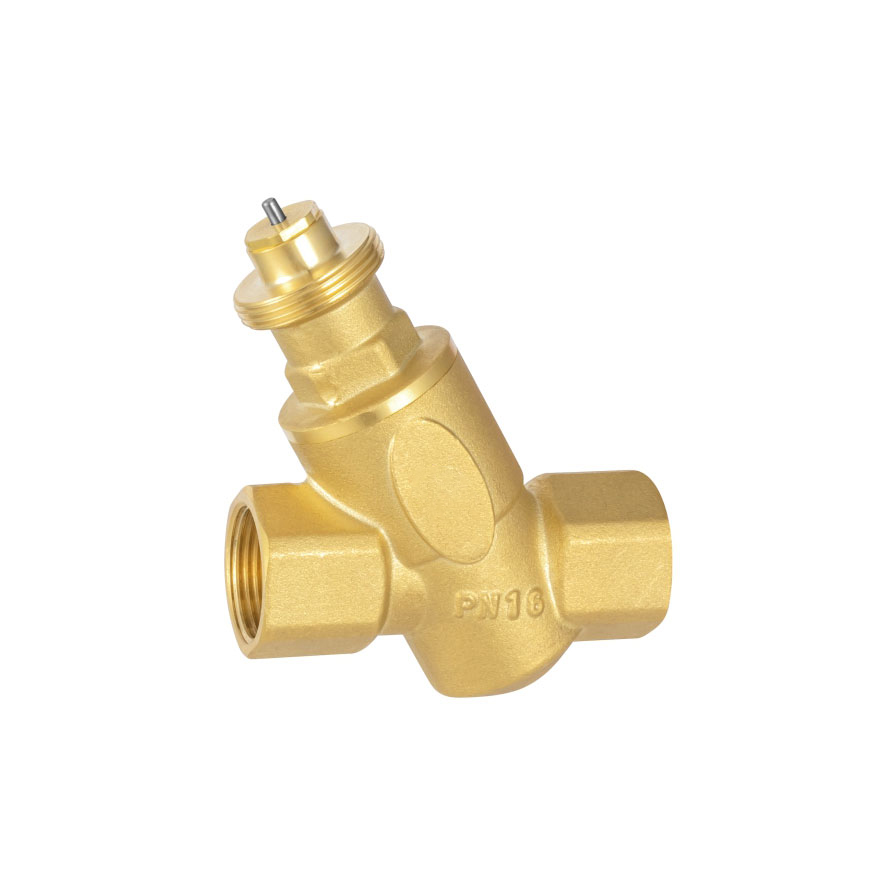
Table of Contents
- Introduction to Brass Stop Valves
- Key Customer Challenges in Flow Control
- How a Brass Stop Valve Works
- Main Structural Components Explained
- Advantages of Brass as a Valve Material
- Typical Applications and Use Scenarios
- Technical Parameters to Consider
- Comparison with Other Valve Materials
- Installation and Maintenance Best Practices
- Frequently Asked Questions
- Conclusion and Business Cooperation
Introduction to Brass Stop Valves
A Brass Stop Valve is a manually operated valve used to start, regulate, or stop fluid flow within a pipeline. It is commonly installed at key control points, such as water supply inlets, equipment connections, and branch lines. Due to its excellent mechanical strength and corrosion resistance, brass has become one of the most reliable materials for stop valve manufacturing.
Key Customer Challenges in Flow Control
Many users face recurring issues when managing fluid control systems. These challenges often include leakage after prolonged use, difficulty in operation, corrosion caused by water quality, and limited service life under frequent on-off cycles. A poorly selected valve can increase maintenance costs and create safety risks.
Brass stop valves are engineered to address these challenges by offering stable performance, precise shut-off capability, and long-term durability under varying pressure and temperature conditions.
How a Brass Stop Valve Works
A brass stop valve operates through a simple yet effective mechanical principle. When the handle or handwheel is turned, it drives a stem connected to a sealing disc. Rotating the stem clockwise lowers the disc to block the flow path, while counterclockwise rotation lifts the disc to allow fluid to pass through.
This linear motion enables controlled flow regulation and reliable sealing, making brass stop valves suitable for systems requiring frequent manual operation.
Main Structural Components Explained
- Valve Body: Made from forged or cast brass, providing pressure resistance and structural stability.
- Stem: Transfers rotational force from the handle to the sealing mechanism.
- Disc or Seal: Ensures tight shut-off when the valve is closed.
- Handle or Handwheel: Allows manual operation with minimal effort.
- Packing and Bonnet: Prevent leakage around the stem and maintain internal alignment.
Advantages of Brass as a Valve Material
Brass offers a balanced combination of mechanical and chemical properties that make it ideal for stop valves. It resists corrosion from water and many chemicals, maintains dimensional stability, and performs well under moderate to high temperatures.
- Excellent corrosion resistance
- Good machinability for precise sealing surfaces
- High durability under repeated operation
- Low risk of material deformation
Typical Applications and Use Scenarios
Brass stop valves are widely used across multiple industries due to their versatility. Common applications include domestic water supply systems, HVAC installations, industrial fluid pipelines, and agricultural irrigation networks.
They are especially suitable for applications where reliable shut-off and long service life are critical requirements.
Technical Parameters to Consider
| Parameter | Description |
|---|---|
| Nominal Diameter | Common sizes range from DN15 to DN50 |
| Working Pressure | Typically up to PN16 or higher depending on design |
| Operating Temperature | Suitable for hot and cold water systems |
| Connection Type | Threaded or customized connections |
Comparison with Other Valve Materials
Compared with plastic valves, brass stop valves offer superior strength and temperature resistance. When compared to stainless steel, brass provides a cost-effective solution with easier installation for standard water systems. This balance makes brass a preferred choice for many practical applications.
Installation and Maintenance Best Practices
Proper installation ensures optimal valve performance. It is recommended to install the valve in an accessible location for ease of operation and maintenance. Thread sealing materials should be applied correctly to avoid leakage.
Routine inspection and occasional lubrication of the stem can significantly extend service life and maintain smooth operation.
Frequently Asked Questions
What is the main purpose of a brass stop valve?
It is used to completely shut off or regulate fluid flow in a pipeline for maintenance or operational control.
Is a brass stop valve suitable for hot water systems?
Yes, brass materials perform reliably under typical hot water temperature ranges.
How long can a brass stop valve last?
With proper installation and maintenance, it can function effectively for many years without performance degradation.
Conclusion and Business Cooperation
A Brass Stop Valve plays an essential role in ensuring safe, efficient, and controllable fluid systems. Understanding its working principle, structural design, and material advantages allows buyers and engineers to make informed decisions that reduce long-term risks and costs.
Ninghai Hongxiang Copper Industry Co.,Ltd. specializes in the manufacturing of high-quality brass stop valves with stable performance and reliable quality. For tailored solutions and professional support, please contact us to discuss your project requirements and explore long-term cooperation opportunities.