

How does a Brake Proportioning Valve work?
2026-04-20
Article Abstract
A Brake Proportioning Valve plays a critical role in modern and traditional hydraulic braking systems by balancing brake force between the front and rear wheels. Without it, vehicles risk premature rear-wheel lockup, unstable braking, and increased stopping distance. This article explains in detail how the valve works, why it is essential for safety, common symptoms of failure, and best practices for maintenance and selection. It is designed to help vehicle owners, technicians, and procurement specialists understand real-world braking performance challenges and make informed decisions when selecting or replacing braking components.
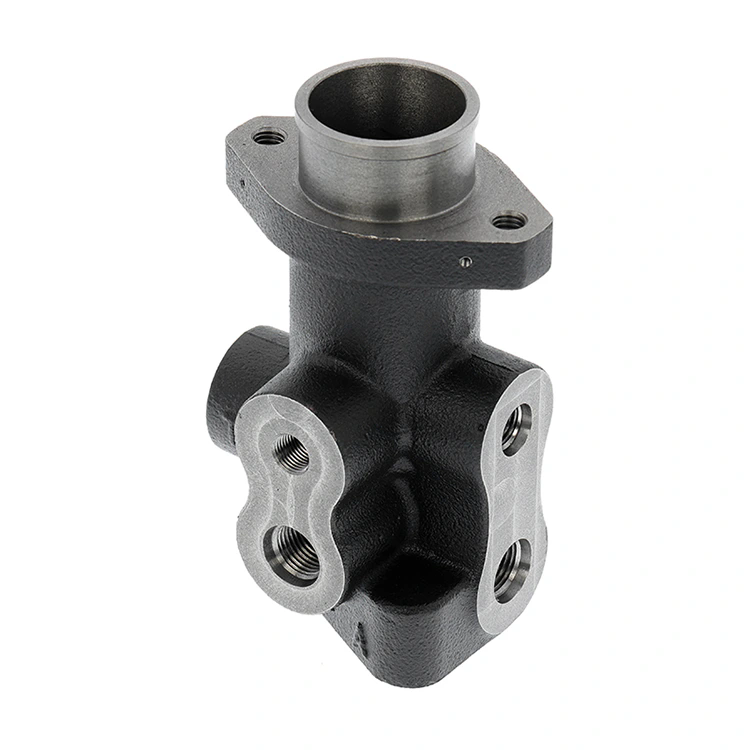
Table of Contents
- Article Outline
- What is a Brake Proportioning Valve?
- Why It Matters in Brake Systems
- How a Brake Proportioning Valve Works
- Types of Brake Proportioning Valves
- Symptoms of a Faulty Valve
- Installation and Adjustment Guidelines
- Maintenance and Service Tips
- Performance Comparison Table
- Frequently Asked Questions
- Final Thoughts
Article Outline
- Introduction to braking force distribution challenges
- Mechanical function of proportioning valves
- Hydraulic pressure control principles
- Vehicle safety implications
- Maintenance and troubleshooting strategies
What is a Brake Proportioning Valve?
A Brake Proportioning Valve is a hydraulic control device used in automotive braking systems to regulate pressure distribution between front and rear brakes. Since weight shifts forward during braking, the front wheels typically require more braking force than the rear wheels. This valve ensures that rear brakes do not receive excessive hydraulic pressure, preventing wheel lockup and maintaining vehicle stability.
In simple terms, it acts as a balancing mechanism that adapts braking force to changing driving conditions such as load, speed, and road friction.
Why It Matters in Brake Systems
Without proper brake force distribution, vehicles can experience dangerous handling issues. The most common problem is rear-wheel lockup, which causes:
- Loss of directional stability
- Increased stopping distance
- Vehicle fishtailing or spinning
- Uneven tire wear
A proportioning valve ensures braking efficiency while improving safety under heavy braking conditions, such as emergency stops or downhill driving.
How a Brake Proportioning Valve Works
The working principle of a Brake Proportioning Valve is based on hydraulic pressure modulation. When the driver applies the brake pedal, brake fluid pressure is transmitted through the master cylinder to all wheels. However, rear wheels do not require the same level of pressure as the front wheels.
The valve introduces a controlled restriction once a certain pressure threshold is reached. This is known as the “knee point.” Beyond this point, the valve limits the increase in rear brake pressure even if the driver continues to apply force on the brake pedal.
This mechanism ensures:
- Progressive braking force distribution
- Reduced risk of rear-wheel lockup
- Improved vehicle stability under deceleration
In advanced systems, load-sensing proportioning valves adjust dynamically based on vehicle weight, offering more precise braking control.
Types of Brake Proportioning Valves
- Fixed Proportioning Valve: Pre-set pressure ratio, commonly used in standard passenger vehicles.
- Adjustable Proportioning Valve: Allows manual tuning for performance or modified vehicles.
- Load-Sensing Valve: Automatically adjusts based on vehicle load conditions.
- Electronic Brake Distribution Systems (EBD): Modern systems integrated with ABS for real-time control.
Symptoms of a Faulty Valve
A malfunctioning Brake Proportioning Valve can severely affect braking performance. Common symptoms include:
- Rear wheels locking during sudden braking
- Longer stopping distances
- Uneven brake wear patterns
- Unstable braking feel or pedal inconsistency
Ignoring these signs can lead to compromised vehicle safety, especially under high-speed or heavy-load conditions.
Installation and Adjustment Guidelines
Proper installation is essential for optimal performance. The valve should be installed according to manufacturer specifications, ensuring correct orientation and secure hydraulic connections.
Key installation steps include:
- Depressurizing the brake system
- Mounting the valve in a vibration-free location
- Connecting inlet and outlet brake lines correctly
- Bleeding the brake system to remove air
- Testing braking response under controlled conditions
For adjustable valves, tuning should be performed gradually to avoid unsafe braking imbalance.
Maintenance and Service Tips
Regular inspection of the Brake Proportioning Valve ensures long-term reliability. Recommended practices include:
- Checking for hydraulic leaks
- Inspecting brake line corrosion
- Testing braking balance periodically
- Replacing worn seals or internal components
Preventive maintenance helps avoid sudden failure and ensures consistent braking performance under varying driving conditions.
Performance Comparison Table
| Type | Control Method | Precision | Best Use Case |
|---|---|---|---|
| Fixed Valve | Pre-set ratio | Medium | Standard vehicles |
| Adjustable Valve | Manual tuning | High | Modified performance cars |
| Load-Sensing Valve | Mechanical load feedback | Very High | Commercial vehicles |
| EBD System | Electronic control | Extremely High | Modern safety systems |
Frequently Asked Questions
1. What happens if a proportioning valve fails?
Brake imbalance occurs, often causing rear-wheel lockup and reduced vehicle stability.
2. Can I drive with a bad brake proportioning valve?
It is not recommended, as it significantly increases braking risk.
3. Is adjustment necessary after installation?
For adjustable valves, yes. Proper tuning is essential for safe performance.
4. Does ABS replace a proportioning valve?
Modern ABS systems integrate similar functions, but mechanical valves may still exist in certain vehicles.
Final Thoughts
The Brake Proportioning Valve is a fundamental component in ensuring balanced braking performance and vehicle safety. Whether in standard passenger cars or heavy-duty vehicles, its role in preventing rear-wheel lockup and maintaining stability cannot be overlooked. Understanding its function, symptoms of failure, and maintenance needs helps extend braking system life and improve road safety.
For high-quality braking components and precision-engineered solutions, Difon provides reliable manufacturing expertise tailored to diverse automotive applications. If you are looking for durable and performance-driven brake system parts, Difon—contact us to discuss your requirements and get professional support for your braking system needs.