

How Does a Ball Valve Improve Fluid Control in Industrial Systems?
2026-03-10
Article Summary
Ball valves are widely used in industrial pipelines due to their simple structure, reliable sealing performance, and quick operation. Many industries such as oil and gas, chemical processing, water treatment, and manufacturing rely on ball valves to control the flow of liquids and gases efficiently. However, selecting the right valve and understanding how it works can be challenging for many buyers and engineers.
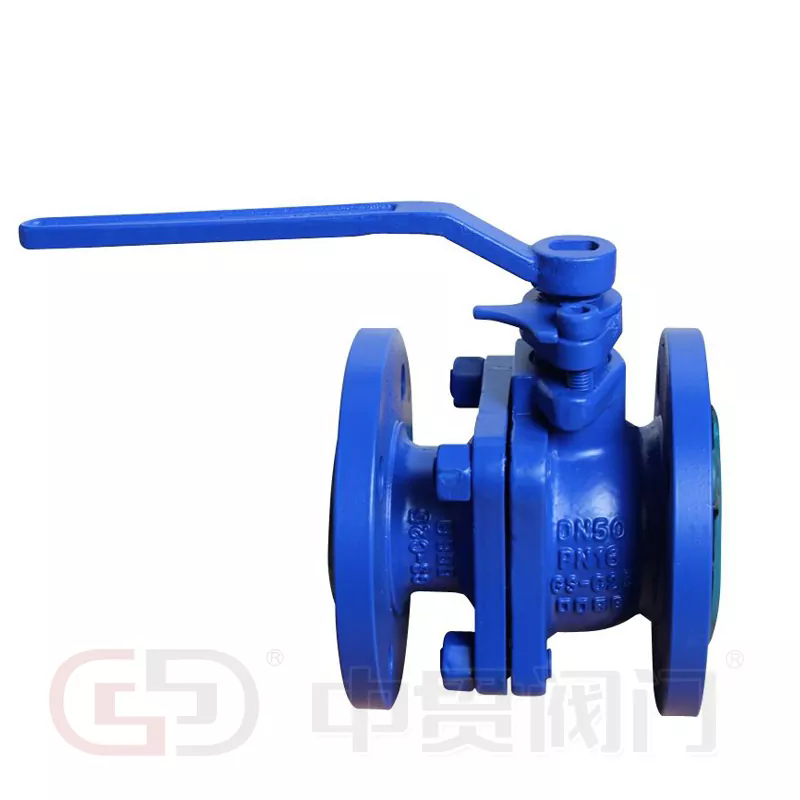
This article explains how a ball valve functions, what components make it reliable, and how it solves common pipeline control problems. It also discusses typical product parameters, application scenarios, selection guidelines, and frequently asked questions to help users better understand and choose the right solution.
Table of Contents
- Introduction to Ball Valves
- How a Ball Valve Works
- Main Components of a Ball Valve
- Common Types of Ball Valves
- Typical Ball Valve Technical Parameters
- Advantages of Using Ball Valves
- How to Choose the Right Ball Valve
- Common Application Industries
- Frequently Asked Questions
- Conclusion
Introduction to Ball Valves
Fluid control systems require reliable valves that can regulate, start, or stop the flow of liquids and gases. Among the many valve types available, the ball valve has become one of the most widely adopted solutions due to its durability and efficiency.
A ball valve uses a spherical disc inside the valve body to control the flow of media. When the hole in the ball aligns with the pipeline, fluid passes through. When the ball rotates 90 degrees, the flow stops completely. This quarter-turn operation allows operators to control pipelines quickly and safely.
Because of this simple but effective mechanism, ball valves are commonly used in industries where tight shut-off and long service life are essential.
How a Ball Valve Works
Understanding the operating principle of a ball valve helps users appreciate why it is highly reliable in many industrial systems.
The core component is a hollow sphere called the valve ball. The ball contains a hole known as the bore. This bore determines the flow path of the fluid.
The valve operates through a rotating mechanism:
- When the handle is parallel to the pipeline, the ball bore aligns with the pipe, allowing full flow.
- When the handle turns 90 degrees, the ball rotates and blocks the flow path.
- Sealing seats around the ball ensure tight shut-off.
Because the operation only requires a quarter turn, ball valves provide extremely fast opening and closing compared with many other valve designs.
High-quality products manufactured by companies such as Zhongguan check valve are designed to maintain sealing integrity even under high pressure or temperature conditions.
Main Components of a Ball Valve
A ball valve consists of several important components that work together to ensure reliable performance.
- Valve Body – The outer housing that contains all internal components.
- Ball – The rotating spherical disc responsible for controlling flow.
- Seats – Sealing rings that keep the ball tightly sealed.
- Stem – Connects the ball to the external handle or actuator.
- Handle or Actuator – Used to operate the valve manually or automatically.
- Seals and Gaskets – Prevent leakage around the valve stem and body.
Each component plays a crucial role in ensuring the valve can withstand pressure, corrosion, and continuous operation.
Common Types of Ball Valves
Different industrial applications require different ball valve designs. The most common types include:
- Floating Ball Valve – The ball is supported by seats and floats slightly to create a tight seal.
- Trunnion Mounted Ball Valve – The ball is fixed by a shaft, suitable for high-pressure systems.
- Full Port Ball Valve – The bore diameter matches the pipeline for minimal flow resistance.
- Reduced Port Ball Valve – Slightly smaller bore to reduce cost and weight.
- Three-Way Ball Valve – Allows flow diversion or mixing between pipelines.
Selecting the right type depends on flow requirements, operating pressure, and system configuration.
Typical Ball Valve Technical Parameters
Before purchasing a ball valve, it is important to review its technical specifications. These parameters help ensure compatibility with the pipeline system.
| Parameter | Description |
|---|---|
| Valve Size | DN15 – DN600 or larger depending on system requirements |
| Pressure Rating | PN10 – PN64 or ANSI Class 150 – 600 |
| Body Material | Stainless steel, carbon steel, brass, or alloy steel |
| Seat Material | PTFE, reinforced PTFE, metal seat |
| Operating Temperature | -20°C to 200°C depending on materials |
| Connection Type | Threaded, flanged, welded, or clamp connection |
Manufacturers such as Zhongguan check valve offer multiple configurations to match various industrial environments.
Advantages of Using Ball Valves
Ball valves provide several benefits that make them suitable for demanding applications.
- Quick Operation – Quarter-turn movement allows fast opening and closing.
- Excellent Sealing – Tight shut-off reduces leakage risk.
- Long Service Life – Durable construction ensures long-term performance.
- Low Flow Resistance – Full port designs minimize pressure loss.
- Simple Maintenance – Fewer moving parts reduce maintenance requirements.
- Wide Application Range – Suitable for liquids, gases, and slurry systems.
These advantages make ball valves one of the most reliable components in industrial fluid control systems.
How to Choose the Right Ball Valve
Selecting a suitable valve requires careful consideration of several factors.
The following checklist can help buyers make the right decision:
- Determine the operating pressure and temperature.
- Select appropriate body materials based on corrosion resistance.
- Choose the correct valve size to match pipeline diameter.
- Consider manual or automated operation.
- Evaluate maintenance accessibility.
- Confirm compatibility with the working medium.
Consulting with an experienced supplier can help ensure that the selected valve meets both performance and safety requirements.
Common Application Industries
Ball valves are used in a wide range of industrial and commercial systems.
- Oil and gas pipelines
- Chemical processing plants
- Water treatment systems
- HVAC systems
- Food and beverage production
- Pharmaceutical manufacturing
- Power generation facilities
Their versatility and reliability make them an essential component in modern pipeline infrastructure.
Frequently Asked Questions
Q1: What is the difference between a ball valve and a gate valve?
A ball valve uses a rotating spherical disc to control flow, while a gate valve uses a sliding gate. Ball valves provide faster operation and better sealing, making them more suitable for frequent on-off applications.
Q2: Can ball valves be used for throttling flow?
Although ball valves can partially regulate flow, they are primarily designed for full open or full close operation. Continuous throttling may cause seat wear over time.
Q3: How long does a ball valve typically last?
With proper installation and maintenance, high-quality ball valves can operate reliably for many years, even in demanding industrial environments.
Q4: What materials are best for corrosive environments?
Stainless steel and specialized alloy materials are commonly used for corrosive fluids because they provide excellent chemical resistance and durability.
Conclusion
Ball valves play a critical role in controlling fluid flow across many industries. Their simple structure, quick operation, and reliable sealing performance make them one of the most trusted valve solutions available today.
When selecting a ball valve, understanding its working principle, structural components, and technical parameters can help ensure optimal performance in any pipeline system. Reliable manufacturers such as Zhongguan valve provide a wide range of products designed to meet diverse industrial requirements.
If you are looking for high-quality ball valve solutions for your pipeline system, visit the product page to explore available options. For professional guidance, product specifications, or customized solutions, contact us today and our technical team will help you choose the most suitable valve for your application.