

How Does a Ball Valve Improve Flow Control in Industrial and Commercial Systems?
2026-01-12
Abstract
Ball valves are widely used across industrial, commercial, and utility systems due to their reliability, fast operation, and excellent sealing performance. However, many buyers face challenges such as leakage risks, material mismatch, pressure limitations, and uncertainty about long-term durability. This article explains how a ball valve works, what problems it solves, and how to select the right type for specific operating conditions. By understanding structure, materials, applications, and maintenance considerations, decision-makers can reduce downtime, control costs, and ensure system safety.
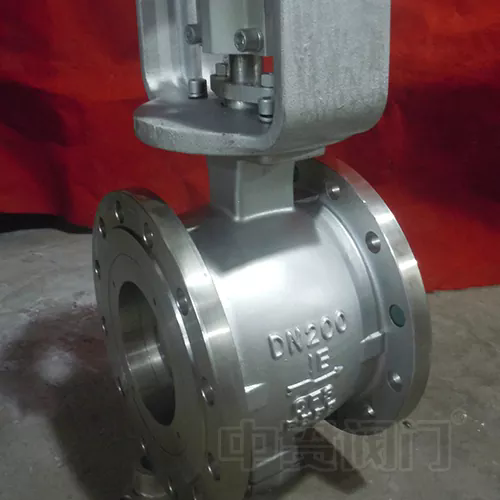
Table of Contents
- Overview of Ball Valve Technology
- Common Customer Pain Points in Flow Control
- How a Ball Valve Works
- Key Components and Structural Design
- Main Types of Ball Valves
- Material Selection and Performance Considerations
- Typical Applications Across Industries
- Selection Guidelines for Different Operating Conditions
- Maintenance and Service Life Optimization
- Frequently Asked Questions
- Conclusion and Business Inquiry
Overview of Ball Valve Technology
A ball valve is a quarter-turn valve that uses a hollow, perforated sphere to control fluid flow. When the bore of the ball aligns with the pipeline, flow is allowed; when rotated 90 degrees, the flow is blocked. This simple mechanism provides fast response, tight shutoff, and minimal pressure drop, making ball valves a preferred solution in modern piping systems.
Manufacturers such as Zhongguan Valve have refined ball valve designs to meet demanding requirements in chemical processing, oil and gas, water treatment, and HVAC systems.
Common Customer Pain Points in Flow Control
- Leakage caused by poor sealing performance
- Valve failure under high pressure or temperature
- Corrosion due to incompatible materials
- Frequent maintenance and short service life
- Complex installation and slow operation
Understanding how a ball valve addresses these issues is essential for making informed procurement decisions.
How a Ball Valve Works
The working principle of a ball valve relies on rotational motion rather than linear movement. A handle, actuator, or gear mechanism rotates the ball inside the valve body. Because the sealing surfaces are in constant contact with the ball, the valve can achieve bubble-tight shutoff even after repeated cycles.
This design significantly reduces wear and enables quick isolation, which is critical during emergency shutdowns or routine maintenance.
Key Components and Structural Design
| Component | Function |
|---|---|
| Valve Body | Houses internal components and connects to the pipeline |
| Ball | Controls flow by rotating to open or close the passage |
| Seats | Provide sealing between the ball and body |
| Stem | Transfers torque from handle or actuator to the ball |
| Seals and Gaskets | Prevent external leakage |
Main Types of Ball Valves
- Floating Ball Valve: Suitable for low to medium pressure systems
- Trunnion Mounted Ball Valve: Designed for high-pressure and large-diameter pipelines
- Full Bore Ball Valve: Minimizes pressure loss and allows pigging
- Reduced Bore Ball Valve: Compact design with lower cost
- Manual and Actuated Ball Valves: Available for automation and remote control
Material Selection and Performance Considerations
Material choice directly affects durability and safety. Common body materials include stainless steel, carbon steel, brass, and cast iron. Seat materials such as PTFE or reinforced polymers offer chemical resistance and low friction.
For corrosive or high-temperature environments, selecting the appropriate alloy and sealing material is critical. Zhongguan Valve provides multiple material options to match specific media and operating conditions.
Typical Applications Across Industries
- Oil and gas transmission pipelines
- Chemical and petrochemical processing
- Water supply and wastewater treatment
- Power generation and energy systems
- Food, beverage, and pharmaceutical production
Selection Guidelines for Different Operating Conditions
When selecting a ball valve, consider the following factors:
- Operating pressure and temperature range
- Type of fluid or gas
- Frequency of operation
- Connection standards and installation space
- Manual or automated control requirements
Proper evaluation at the selection stage helps prevent premature failure and operational inefficiencies.
Maintenance and Service Life Optimization
Ball valves are known for low maintenance requirements, but periodic inspection is still recommended. Checking stem seals, seat condition, and actuation mechanisms can extend service life and prevent unplanned downtime.
Routine operation of the valve also helps avoid seat deformation caused by long-term static positioning.
Frequently Asked Questions
What makes a ball valve different from other valve types?
Ball valves provide faster operation and tighter shutoff compared to gate or globe valves.
Can ball valves handle high-pressure applications?
Yes, trunnion-mounted designs are specifically engineered for high-pressure systems.
Are ball valves suitable for corrosive media?
With proper material and seat selection, ball valves can perform reliably in corrosive environments.
How long does a ball valve typically last?
Service life depends on operating conditions, but high-quality ball valves can last many years with minimal maintenance.
Conclusion and Business Inquiry
Understanding how a ball valve functions and how it addresses real-world flow control challenges enables buyers to make confident decisions. From structural design to material selection, each factor plays a role in safety, efficiency, and long-term cost control.
Zhongguan Valve continues to deliver dependable ball valve solutions for diverse industries worldwide. To discuss specifications, customization options, or technical support for your project, contact us today and explore how the right valve solution can enhance your system performance.