

How Do You Troubleshoot a Leaking or Stuck Pressure Vacuum Valve
2026-11-09
A Pressure Vacuum Valve protects storage tanks from overpressure and vacuum collapse, but leakage or a stuck disc can compromise that protection and create safety risks. VTY engineers encounter these faults frequently in the field, and most cases trace back to a handful of root causes. This guide walks through a structured troubleshooting process, from initial symptom assessment to corrective action and verification.
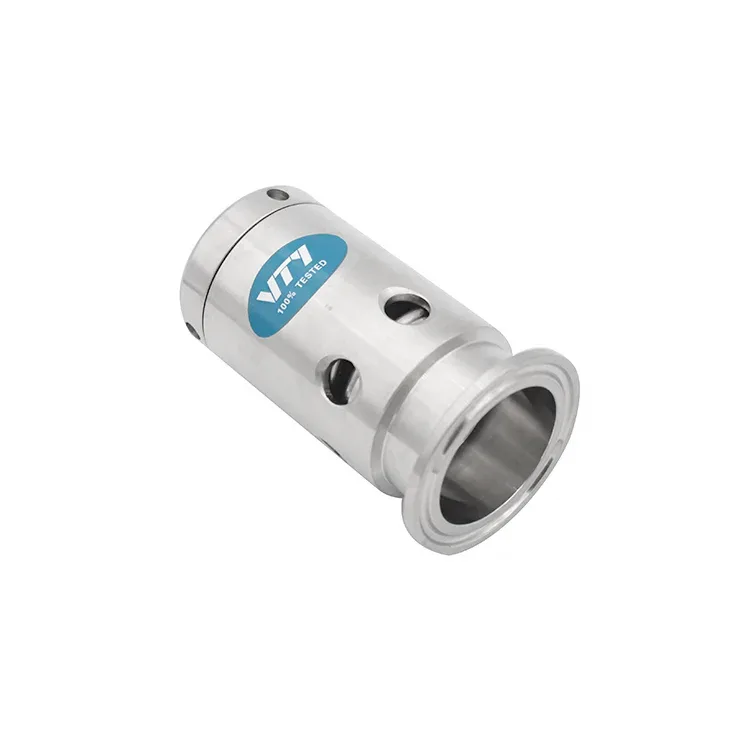
Start With a Systematic Diagnosis
Before opening any equipment, isolate the tank, follow permit-to-work procedures, and record the valve's set points and service history. A Pressure Vacuum Valve that leaks under normal conditions behaves differently from one that fails to open at its set pressure, so confirm the actual symptom first.
| Symptom | Likely Causes | Corrective Action |
|---|---|---|
| Continuous vapor leak at seat | Damaged seat gasket, debris on seating surface, misaligned disc | Inspect and clean seat, replace gasket, re-center disc |
| Valve stuck closed | Corrosion, product build-up, frozen condensate, damaged guide | Free guide, clean internals, replace corroded parts |
| Valve opens below set pressure | Weak spring, incorrect spring installation, worn pallet | Verify spring rating, replace spring, recalibrate |
| Valve chattering | Oversized valve, unstable pilot, pulsating flow | Recheck sizing, inspect pilot and guide surfaces |
| Leak at body flange | Loose bolts, failed body gasket, cracked housing | Torque bolts to spec, replace gasket, inspect for cracks |
Step-by-Step Troubleshooting
-
Verify the set pressure. Confirm the Pressure Vacuum Valve nameplate rating matches the tank design and that the spring is the correct one for the duty.
-
Inspect the seating surface. Remove the valve cover and check the pallet and seat for scoring, debris, or elastomer degradation. Even a small particle can cause a persistent leak.
-
Check the guide and stem. A stuck disc usually indicates corrosion or product accumulation in the guide. Clean and lap surfaces as needed, and confirm free movement through the full lift.
-
Test spring performance. Compare opening pressure against the set point using a calibrated test bench. Replace springs that deviate beyond the manufacturer's tolerance.
-
Review process conditions. Polymerizing or crystallizing media can freeze a Pressure Vacuum Valve in position. Consider heated or purged configurations where appropriate.
-
Reassemble and leak-test. After servicing, perform a seat tightness test and confirm the valve reseats correctly at the specified pressure.
Preventive Practices That Reduce Failures
-
Schedule inspection intervals based on service severity, not just calendar time.
-
Keep spare gaskets and springs matched to the valve model.
-
Document every set point change and maintenance action.
-
Verify that the Pressure Vacuum Valve sizing still matches current tank throughput.
Pressure Vacuum Valve FAQ
Q: How often should a Pressure Vacuum Valve be inspected?
A: Inspect at least annually under normal service, and every three to six months where vapors are corrosive, polymerizing, or contain solids; always follow local regulations and the manufacturer's recommendations.
Q: What causes a Pressure Vacuum Valve to stick open?
A: Sticking open typically results from debris on the seat, a deformed or hardened gasket, a misaligned pallet, or corrosion in the guide that prevents proper reseating after relief.
Q: Can a leaking Pressure Vacuum Valve be repaired in place?
A: Minor seat and gasket issues can often be corrected on site after isolation and permit approval, but spring replacement and set pressure verification require a calibrated test bench to confirm performance.
Q: What are the signs that a Pressure Vacuum Valve needs replacement rather than repair?
A: Replace the valve when the body is cracked or severely corroded, the seat is deeply scored, the guide is worn beyond tolerance, or repeated servicing fails to hold set pressure and seat tightness.
Contact Us
If your tank protection equipment shows signs of leakage, sticking, or unreliable set points, VTY can help. Contact us today to request a technical assessment, replacement parts, or a service plan tailored to your Pressure Vacuum Valve installations.