

How Do You Perform Maintenance On A Plunger Valve
2026-01-08
Proper maintenance is crucial for ensuring the longevity, reliability, and optimal performance of any industrial component. This is especially true for a Plunger Valve, a precision device designed for accurate flow control in demanding applications. Neglecting its upkeep can lead to leaks, reduced efficiency, and costly downtime. At Tianhong, we leverage decades of engineering expertise to guide users through effective maintenance routines that maximize valve service life and system integrity. Following a systematic approach can prevent major failures and ensure consistent operation.
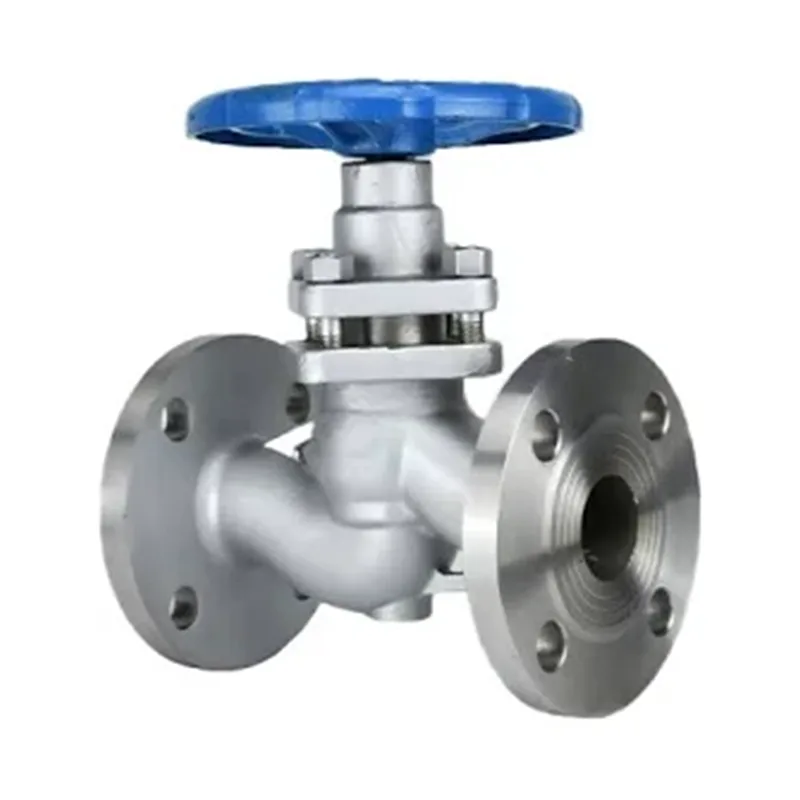
A well-structured maintenance plan for a Plunger Valve involves regular inspection, cleaning, and part replacement. Here is a step-by-step guide:
-
Safety First: Always isolate the valve from system pressure and ensure the fluid line is drained and depressurized before beginning any work.
-
Disassembly: Carefully remove the valve bonnet or access cover to expose the internal plunger and sealing components.
-
Inspection & Cleaning: Examine all parts for wear, corrosion, or damage. Clean the plunger, body cavity, and seats using appropriate solvents.
-
Seal Replacement: Replace worn seal rings, O-rings, or packing. This is the most common maintenance task to prevent leaks.
-
Reassembly & Testing: Reassemble components with proper torque specifications. Conduct a pressure and function test before returning the valve to service.
To complement the maintenance steps, understanding common wear factors is key. The following table outlines typical causes of Plunger Valve failure and their solutions:
| Symptom | Likely Cause | Recommended Action |
|---|---|---|
| External Leakage | Worn packing or seal rings | Replace seals and tighten gland follower. |
| Internal Leakage | Damaged plunger or seat surface | Inspect and polish surfaces; replace if scored. |
| Stiff Operation | Corrosion or debris buildup | Clean internal components; lubricate as per guide. |
Plunger Valve FAQ
What are the first signs my Plunger Valve needs maintenance?
The most common early signs are minor external leakage around the stem, a gradual decrease in flow control accuracy, or increased effort required to operate the handwheel or actuator. Addressing these signs promptly can prevent more severe damage.
Can I use generic seal kits for my Tianhong Plunger Valve?
While generic seals may physically fit, we strongly recommend using genuine Tianhong seal kits. Our kits are engineered from specific materials to match the original fluid compatibility, pressure, and temperature specifications, ensuring optimal performance and longevity.
How often should a Plunger Valve be serviced?
There is no universal schedule; it depends entirely on operating conditions. Factors like cycle frequency, fluid abrasiveness, and temperature extremes dramatically affect wear. A valve in continuous service with clean water may need annual checks, while one handling abrasive slurry might require quarterly inspection. Monitor performance and establish a schedule based on your specific application.
Regular maintenance is the most effective strategy to protect your process integrity and investment. By following these guidelines and using quality components, you can ensure your valves operate reliably for years. For complex issues, specific technical data, or to source authentic replacement parts, do not hesitate to contact us directly. The Tianhong support team is ready to provide expert assistance tailored to your system's needs.