

How Do You Perform Maintenance On A High Pressure Y Style Globe Valve
2026-01-29
Proper maintenance is critical for ensuring the longevity, safety, and reliable performance of any critical pipeline component, especially a High Pressure Y Type Globe Valve. These valves are engineered for demanding services where failure is not an option. At Jinqiu, we emphasize a proactive maintenance regimen to maximize valve life and prevent unplanned downtime. This guide outlines the essential steps for maintaining your High Pressure Y Type Globe Valve.
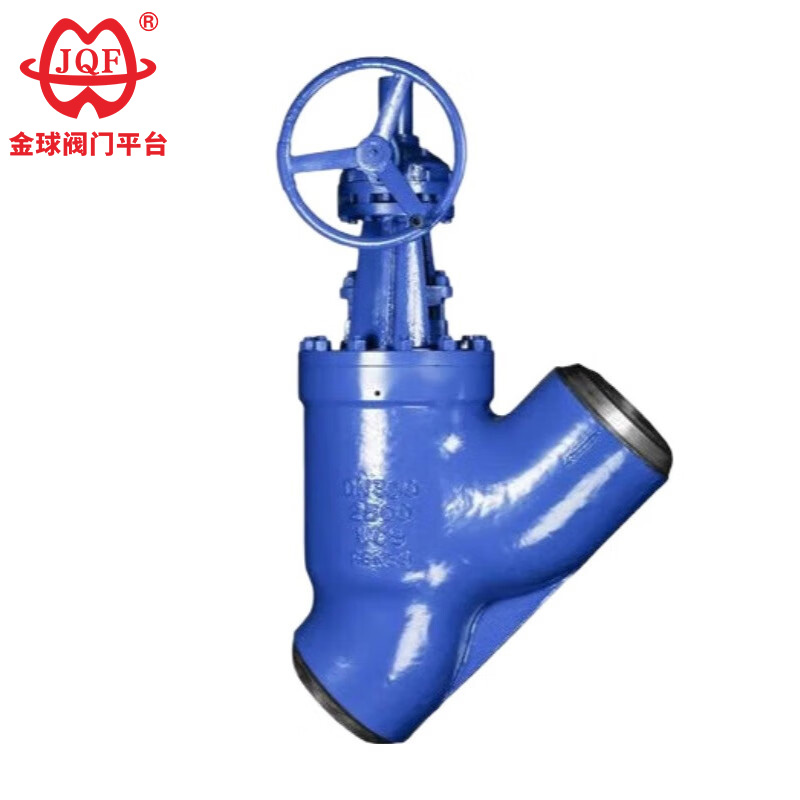
A Step-by-Step Maintenance Procedure
A systematic approach is key to effective maintenance. Always ensure the system is depressurized, isolated, and cooled before starting any work.
-
Isolation and De-energization: Completely isolate the valve from the pipeline pressure on both sides. Drain any residual medium from the valve body cavity.
-
Disassembly: Carefully remove the bonnet assembly. The Y-pattern design often allows for in-line maintenance, but follow the manufacturer's manual.
-
Inspection and Cleaning: Thoroughly inspect all internal parts—disc, seat, stem, and packing. Look for signs of erosion, corrosion, or cracking. Clean all components with an appropriate solvent.
-
Replacement of Wear Parts: Replace the seal ring/gasket set and packing rings as a standard practice during every major maintenance cycle. Worn seats or discs may need machining or replacement.
-
Reassembly and Lubrication: Reassemble components with care, applying recommended lubricants to the stem threads and seating surfaces. Ensure even, cross-pattern tightening of bonnet bolts.
-
Pressure Testing: After reassembly, perform a shell test and a seat leak test according to applicable standards (like API 598) to verify integrity before returning the valve to service.
Critical Component Checklist & Wear Indicators
The table below summarizes key components to inspect and their common wear signs.
| Component | Inspection Focus | Common Wear Indicators |
|---|---|---|
| Valve Seat & Disc | Sealing surfaces | Erosion grooves, pitting, scratches |
| Stem | Straightness & surface | Thread wear, bending, corrosion |
| Packing Set | Compression & form | Hardening, loss of elasticity, leakage path |
| Gaskets | Overall integrity | Compression set, cracks, blistering |
High Pressure Y Type Globe Valve FAQ
What is the most critical step before maintaining a High Pressure Y Type Globe Valve?
The absolute most critical step is to ensure the valve is fully isolated from the live system pressure and that any trapped, potentially hazardous energy is safely vented. Never attempt maintenance on a pressurized valve.
How often should the packing on a High Pressure Y Type Globe Valve be adjusted or replaced?
Packing should be inspected during routine shutdowns. If stem leakage is observed, it can often be corrected by slight tightening of the gland follower. However, the packing should be completely replaced during every major overhaul or if tightening no longer stops the leak, as over-tightening can damage the stem.
Can a severely eroded seat in a High Pressure Y Type Globe Valve be repaired, or must it be replaced?
Minor damage can sometimes be lapped out. However, for severe erosion or pitting that compromises the sealing integrity, the seat ring should be replaced. Jinqiu valves are designed with renewable seat rings for this exact purpose, offering a cost-effective repair solution compared to replacing the entire valve body.
Regular maintenance is not just a task; it's an investment in plant safety and operational efficiency. Using genuine Jinqiu replacement parts ensures perfect dimensional compatibility and material integrity, preserving the designed performance of your High Pressure Y Type Globe Valve.
Contact us today for a comprehensive maintenance manual or to discuss your specific valve service needs with our engineering team.