

How Do Stainless Steel Gate Valves Work in Industrial Systems?
2026-03-17
Article Summary: Stainless steel gate valves are critical components in industrial piping systems, designed to provide reliable shut-off control with minimal pressure drop. This article explains their working principle, structural design, material advantages, selection criteria, and maintenance practices. It also addresses common customer concerns such as leakage, corrosion resistance, and lifecycle cost, helping buyers make informed decisions.
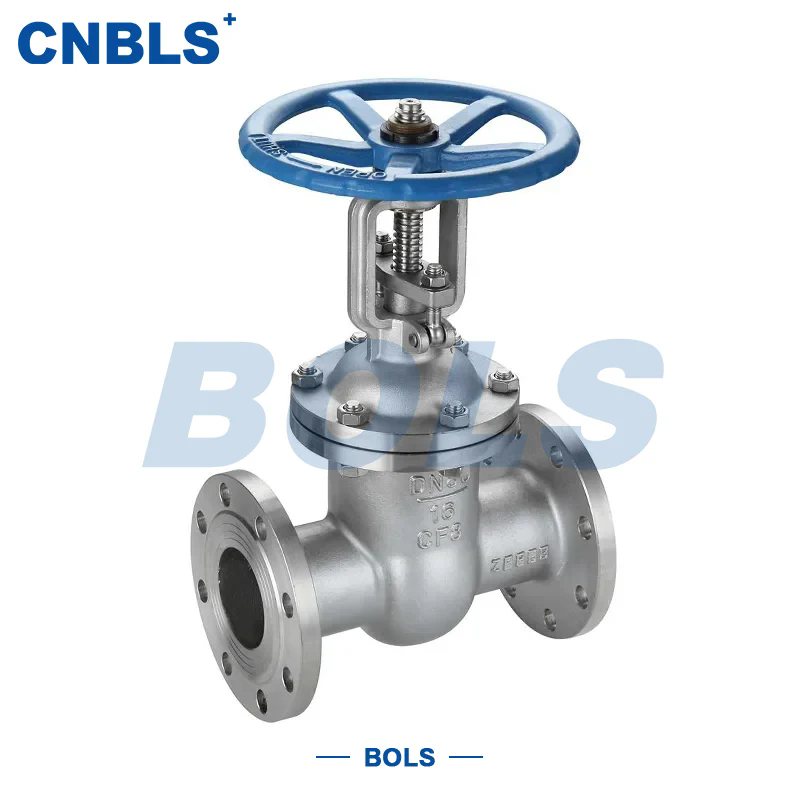
Table of Contents
1. Overview of Stainless Steel Gate Valves
2. How Stainless Steel Gate Valves Work
3. Key Structural Components
4. Advantages of Stainless Steel Material
5. Product Parameters
6. Common Customer Pain Points and Solutions
7. Selection Guide
8. Maintenance and Troubleshooting
9. FAQ
10. Conclusion
1. Overview of Stainless Steel Gate Valves
Stainless steel gate valves are widely used in industries such as oil and gas, chemical processing, water treatment, and power generation. Their primary function is to fully open or fully close the flow of fluid within a pipeline. Unlike other valve types, gate valves are not designed for throttling but for isolation.
The use of stainless steel ensures high resistance to corrosion, high temperatures, and aggressive media, making these valves suitable for demanding environments where durability and reliability are essential.
2. How Stainless Steel Gate Valves Work
The working principle of stainless steel gate valves is based on a simple yet effective mechanism. A gate (disc) moves vertically within the valve body to control fluid flow.
- When the valve is turned open, the gate lifts upward, allowing fluid to pass freely.
- When the valve is closed, the gate lowers and blocks the flow completely.
- The movement is typically controlled by a handwheel or actuator connected to a threaded stem.
This design ensures minimal flow resistance when fully open, making it ideal for applications requiring unobstructed flow.
3. Key Structural Components
Understanding the internal structure helps users evaluate quality and performance.
- Valve Body: The main housing that contains all internal components.
- Gate (Disc): The sealing element that blocks or allows flow.
- Stem: Connects the actuator to the gate and controls its movement.
- Bonnet: Covers the valve body and supports the stem.
- Seat Rings: Provide tight sealing surfaces.
- Packing: Prevents leakage along the stem.
4. Advantages of Stainless Steel Material
Material selection is one of the most critical factors when choosing a valve. Stainless steel offers several advantages:
- Excellent corrosion resistance in harsh environments
- High strength and durability
- Resistance to high temperatures and pressures
- Long service life with minimal maintenance
- Hygienic properties suitable for food and pharmaceutical industries
These benefits significantly reduce operational risks and maintenance costs over time.
5. Product Parameters
| Parameter | Description |
| Material | Stainless Steel (CF8, CF8M, CF3M) |
| Nominal Diameter | DN15 – DN600 |
| Pressure Rating | PN10 – PN100 / Class 150 – 600 |
| Connection Type | Flanged, Threaded, Welded |
| Operating Temperature | -29°C to 425°C |
| Sealing Type | Soft Seal / Metal Seal |
| Actuation | Manual, Electric, Pneumatic |
6. Common Customer Pain Points and Solutions
1. Leakage Issues
Leakage is often caused by poor sealing surfaces or worn packing. Choosing high-quality seat materials and proper maintenance can eliminate this issue.
2. Corrosion Damage
Using low-grade materials in corrosive environments leads to rapid failure. Stainless steel grades such as CF8M offer superior resistance.
3. Difficult Operation
Valves may become hard to operate due to debris or lack of lubrication. Regular inspection and cleaning improve performance.
4. High Maintenance Costs
Low-quality valves require frequent replacement. Investing in reliable brands like Bolaisi ensures long-term savings.
7. Selection Guide
Choosing the right stainless steel gate valve requires careful consideration of several factors:
- Fluid Type: Determine if the media is corrosive, abrasive, or clean.
- Pressure and Temperature: Ensure compatibility with system conditions.
- Connection Type: Match pipeline requirements.
- Operation Method: Manual or automated control.
- Standards Compliance: ANSI, DIN, or other certifications.
Selecting the correct valve ensures optimal performance and reduces the risk of system failure.
8. Maintenance and Troubleshooting
Proper maintenance extends the service life of stainless steel gate valves.
- Regularly inspect sealing surfaces and packing
- Lubricate moving parts to reduce wear
- Clean internal components to prevent blockage
- Check for corrosion or erosion signs
- Operate valves periodically to prevent sticking
Timely troubleshooting can prevent minor issues from becoming major failures.
9. FAQ
Q1: Can stainless steel gate valves be used for throttling?
No, they are designed for full open or full close operation. Using them for throttling can damage the gate and seats.
Q2: What is the difference between soft seal and metal seal?
Soft seals provide better tightness for low-pressure systems, while metal seals are more durable under high temperature and pressure.
Q3: How long do stainless steel gate valves last?
With proper maintenance, they can last for many years, often exceeding a decade depending on operating conditions.
10. Conclusion
Stainless steel gate valves play a vital role in ensuring safe and efficient fluid control across various industries. Their robust construction, corrosion resistance, and reliable sealing make them a preferred choice for demanding applications.
For businesses seeking dependable valve solutions, Bolaisi offers a comprehensive range of high-quality stainless steel gate valves designed to meet diverse industrial requirements.
If you are looking for durable, cost-effective, and high-performance valve products, contact us today to receive expert guidance and customized solutions tailored to your project needs.