

How Do Goyen Pulse Valves Enhance Dust Collector Performance?
2025-09-16
In industries ranging from cement production and steel plants to pharmaceuticals and food processing, air pollution control is not just an operational requirement—it is a regulatory necessity. Central to these efforts is the dust collector system, which captures fine particles and ensures compliance with environmental standards. At the heart of a dust collector lies one critical component: the pulse valve. Among all available pulse valve brands, Goyen Pulse Valves stand out for their reliability, durability, and efficiency.
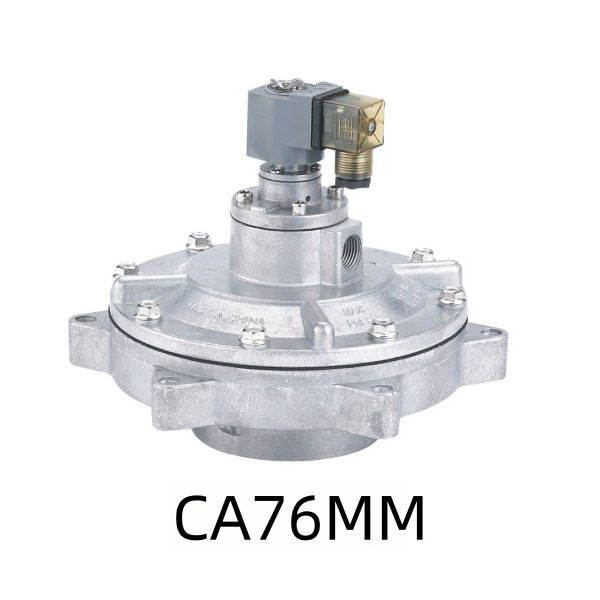
The industrial significance of Goyen Pulse Valves can be summarized as follows:
-
Regulatory compliance: Helps facilities meet stringent emission standards.
-
Operational efficiency: Keeps dust collectors performing at peak capacity.
-
Extended filter life: Prevents clogging, reducing replacement costs.
-
Energy savings: Optimized air distribution lowers compressed air usage.
These valves are widely recognized as industry leaders, delivering consistent results even in harsh environments with high dust loads and extreme operating conditions.
How Do Goyen Pulse Valves Work in Dust Collector Systems?
The working principle of a Goyen Pulse Valve is based on controlled bursts of compressed air. Installed in the dust collector’s header tank, the valve is connected to the blow tube that directs air into the filter bags or cartridges. When triggered by a timer or controller, the valve diaphragm lifts rapidly, releasing a strong pulse of air. This pulse expands within the filter, shaking off accumulated dust particles that then fall into the hopper for disposal.
Step-by-Step Process of Pulse Cleaning
-
Compressed Air Storage: Air is stored under pressure in a header tank.
-
Valve Activation: A signal from the controller energizes a solenoid, lifting the diaphragm inside the valve.
-
Air Pulse Release: A rapid discharge of compressed air is released through the blow tube into the filter.
-
Dust Dislodgement: The sudden airflow expands inside the filter, knocking dust loose from the surface.
-
Continuous Operation: Filters are cleaned sequentially to maintain airflow and minimize downtime.
Advantages of Goyen Pulse Valves Over Alternatives
-
Faster response time ensures efficient cleaning cycles.
-
Reduced compressed air consumption compared to standard valves.
-
Longer diaphragm life due to advanced materials and construction.
-
Reliable performance in both high- and low-temperature environments.
-
Wide compatibility with existing dust collection systems.
Technical Parameters of Goyen Pulse Valves
To demonstrate the versatility of Goyen Pulse Valves, here are their common specifications:
| Parameter | Specification Options |
|---|---|
| Valve Type | Right-angle, inline, or submerged |
| Body Material | Aluminum, stainless steel, or die-cast alloys |
| Diaphragm Material | Nitrile (NBR), Viton, or high-performance elastomers |
| Operating Pressure | 0.3 – 0.8 MPa |
| Operating Temperature | -40°C to +180°C depending on diaphragm material |
| Response Time | < 0.1 second |
| Service Life | Up to 1 million cycles or more |
| Sizes | ¾”, 1”, 1.5”, 2”, 2.5”, 3” connections |
These parameters highlight why Goyen Pulse Valves remain the preferred choice for industries that require efficiency, reliability, and durability in dust control systems.
How to Select and Maintain the Right Goyen Pulse Valve?
Choosing the right Goyen Pulse Valve is critical for maximizing dust collector performance and minimizing operating costs. Since different industries and environments impose unique demands, decision-makers should carefully evaluate technical and operational factors.
Key Factors When Selecting a Pulse Valve
-
Dust Collector Type
-
Baghouse or cartridge-based systems may require specific valve configurations.
-
-
Operating Environment
-
For high-temperature industries like cement or metal smelting, Viton diaphragms are preferred.
-
For chemical exposure, stainless-steel body valves ensure long-term durability.
-
-
Air Quality and Pressure
-
Adequate compressed air supply is crucial for efficient valve operation.
-
-
Valve Orientation
-
Right-angle valves are widely used for baghouses, while inline or submerged valves may suit compact installations.
-
-
Cycle Frequency
-
Valves operating in heavy-duty environments must endure high-frequency cycles without failure.
-
Maintenance Best Practices for Goyen Pulse Valves
-
Regular Inspection: Check for leaks, diaphragm wear, and proper seating.
-
Diaphragm Replacement: Replace diaphragms periodically to prevent failure and ensure consistent pulses.
-
Air Quality Management: Use clean, dry compressed air to avoid contamination and corrosion.
-
Controller Calibration: Ensure the timing system matches operational requirements to prevent over- or under-cleaning.
Common FAQs About Goyen Pulse Valves
Q1: How often should the diaphragm in a Goyen Pulse Valve be replaced?
A: Under normal operating conditions, diaphragms can last up to one million cycles. However, in harsh environments with high dust loads or extreme temperatures, it is advisable to inspect diaphragms every 6–12 months and replace them as needed to avoid unplanned downtime.
Q2: How do I troubleshoot a Goyen Pulse Valve that is not firing properly?
A: If a valve fails to activate, common causes include solenoid coil failure, clogged pilot ports, or damaged diaphragms. Begin by checking the electrical connection, then inspect the diaphragm and pilot components for wear or blockage. Replacing faulty parts usually restores performance.
How Are Goyen Pulse Valves Shaping the Future of Dust Collection Technology?
With industries facing rising environmental standards and growing demand for energy efficiency, pulse valve technology is evolving rapidly. Goyen Pulse Valves are at the forefront of this transformation, offering solutions that balance performance with sustainability.
Innovations in Goyen Pulse Valve Technology
-
Energy-Saving Designs: Valves optimized to deliver maximum cleaning efficiency with minimal air consumption.
-
Smart Integration: Compatibility with automated controllers and IoT monitoring systems for predictive maintenance.
-
Extended Lifespan Materials: Advanced elastomers and stainless-steel bodies improve durability in corrosive or high-temperature environments.
-
Compact Solutions: New valve models designed for smaller dust collectors in indoor facilities.
Why Goyen Pulse Valves Will Remain Vital for Industries
Dust collection systems are not optional—they are fundamental to safe, efficient, and environmentally responsible industrial operations. Goyen Pulse Valves, with their proven reliability and adaptability, provide a cornerstone technology for meeting these requirements. From large-scale cement plants to pharmaceutical cleanrooms, their ability to deliver consistent performance ensures they will remain indispensable in the years ahead.
At SMCC, we provide high-quality Goyen Pulse Valves and related components designed to help industries achieve cleaner air, longer equipment life, and lower operational costs. Our products are engineered to meet the toughest demands, ensuring compliance with international standards while delivering measurable efficiency improvements.
For detailed product information, customized solutions, or bulk supply inquiries, contact us today and let SMCC support your business with industry-leading dust collector technology.