

How Do Gas-Specific Valves Enhance Safety and Efficiency?
2026-02-25
Summary: Gas-Specific Valves are essential components in modern gas distribution systems. They ensure safe operation, precise control, and reliable performance across industrial, commercial, and residential applications. This article provides a comprehensive guide to their types, selection factors, and benefits, helping procurement and engineering teams make informed decisions.
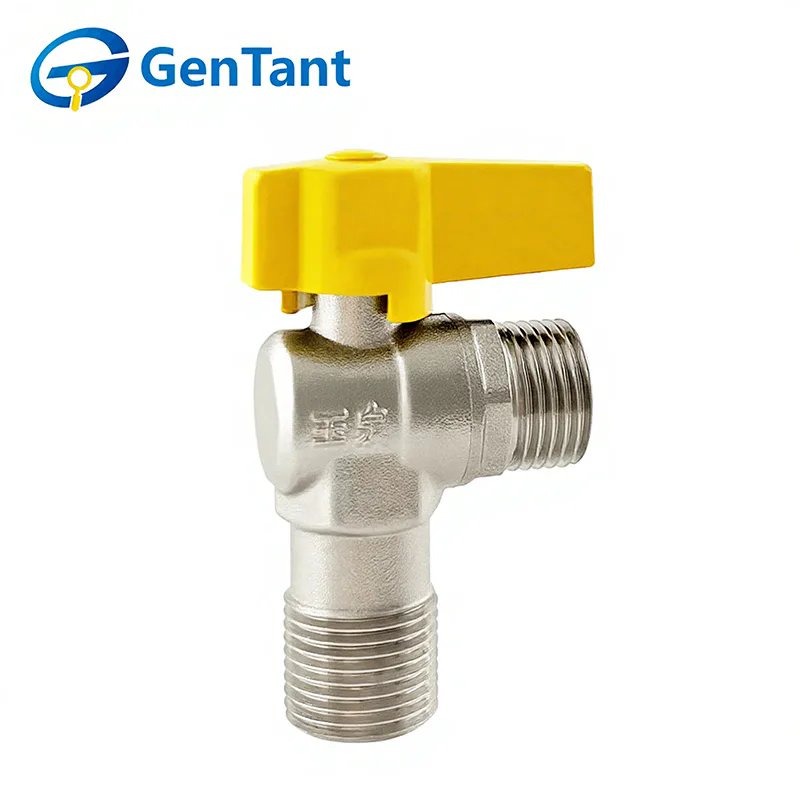
Table of Contents
- Introduction to Gas-Specific Valves
- Types of Gas-Specific Valves
- Factors to Consider When Choosing Valves
- Applications in Various Industries
- Maintenance and Longevity Tips
- Frequently Asked Questions
- Conclusion and Contact
Introduction to Gas-Specific Valves
Gas-Specific Valves are engineered for the precise control of gas flow in pipelines, offering reliable sealing, rapid operation, and long service life. Unlike general-purpose valves, these are designed with materials and structures optimized for handling flammable, corrosive, or high-pressure gases safely.
Modern gas systems demand valves that can accommodate varying pressures, temperatures, and gas types while maintaining compliance with safety standards. Companies such as Ningbo Gentant Fluid Technology Co., Ltd. provide tailored solutions to meet these critical requirements.
Types of Gas-Specific Valves
Understanding valve types helps in selecting the right solution for specific pipeline layouts and operational requirements. Key types include:
- Straight Pattern Gas Valves: Ideal for linear pipelines, offering smooth flow and dependable shut-off.
- Gas Angle Ball Valves: Designed for corner installations, they save space while maintaining excellent sealing performance.
- Three-Way Gas Valves: Enable flexible flow direction, suitable for distribution or switching between multiple lines.
- Butterfly Handle Gas Valves: Offer quick manual operation and clear open-and-close indication, perfect for frequent use in commercial and residential settings.
| Valve Type | Typical Use | Key Feature |
|---|---|---|
| Straight Pattern | Linear pipelines | Reliable shut-off, smooth flow |
| Gas Angle Ball | Corner installations | Space-saving, high sealing |
| Three-Way | Distribution systems | Flexible flow control |
| Butterfly Handle | Residential & commercial | Quick manual operation |
Factors to Consider When Choosing Valves
Proper selection ensures operational efficiency and safety. Key considerations include:
- Gas Type: Compatibility with natural gas, LPG, or industrial gases.
- Working Pressure: Maximum allowable operating pressure must match pipeline specifications.
- Temperature Range: Material performance under expected environmental conditions.
- Sealing Materials: Resistant to gas corrosion and pressure cycles.
- Installation Layout: Linear, angled, or multi-line configurations influence valve type.
- Safety Certifications: Compliance with international and regional standards.
Applications in Various Industries
Gas-Specific Valves are crucial across multiple sectors:
- Industrial Plants: For process control and emergency shut-off in chemical and manufacturing facilities.
- Commercial Buildings: Gas supply regulation for restaurants, heating systems, and laboratories.
- Residential Use: Ensuring safe delivery of LPG or natural gas for heating and cooking.
- Energy and Utilities: High-pressure pipelines for power plants and municipal gas networks.
Maintenance and Longevity Tips
Regular inspection and maintenance can extend valve life and prevent accidents:
- Check for leaks or corrosion regularly.
- Operate valves periodically to ensure smooth movement.
- Replace worn-out seals and gaskets promptly.
- Follow manufacturer guidelines for lubrication and cleaning.
- Document all inspections and maintenance activities for safety compliance.
Frequently Asked Questions
Q1: How do I know which valve is suitable for my gas type?
A1: Verify the chemical compatibility of the valve material with your gas and confirm the pressure rating aligns with your pipeline requirements.
Q2: Can these valves handle high-pressure industrial applications?
A2: Yes, many gas-specific valves are designed to withstand high pressures and meet international safety standards.
Q3: How often should gas valves be inspected?
A3: Inspect valves at least once a year or according to your facility’s safety regulations. Frequent inspections are recommended for high-use or critical pipelines.
Conclusion and Contact
Gas-Specific Valves are essential for ensuring safe, efficient, and reliable gas flow across industries. Choosing the right type, material, and configuration minimizes risks and enhances operational efficiency. Ningbo Gentant Fluid Technology Co., Ltd. offers a comprehensive range of gas valves with high performance, rapid delivery, and professional technical support.
For procurement inquiries or technical guidance, contact us today to secure tailored solutions for your gas systems.