

How Can You Troubleshoot Common Problems with a Stainless Steel Slide Gate Valve
2026-11-10
A Stainless Steel Slide Gate Valve is a reliable choice for isolating flow in water treatment, chemical processing, and industrial piping systems, and Jiangteng has supported plant engineers with precision-engineered valve solutions for years. Even well-built valves can develop issues over time, so knowing how to diagnose and resolve common faults quickly keeps your line running safely and efficiently. This guide walks through the most frequent problems, their root causes, and practical fixes.
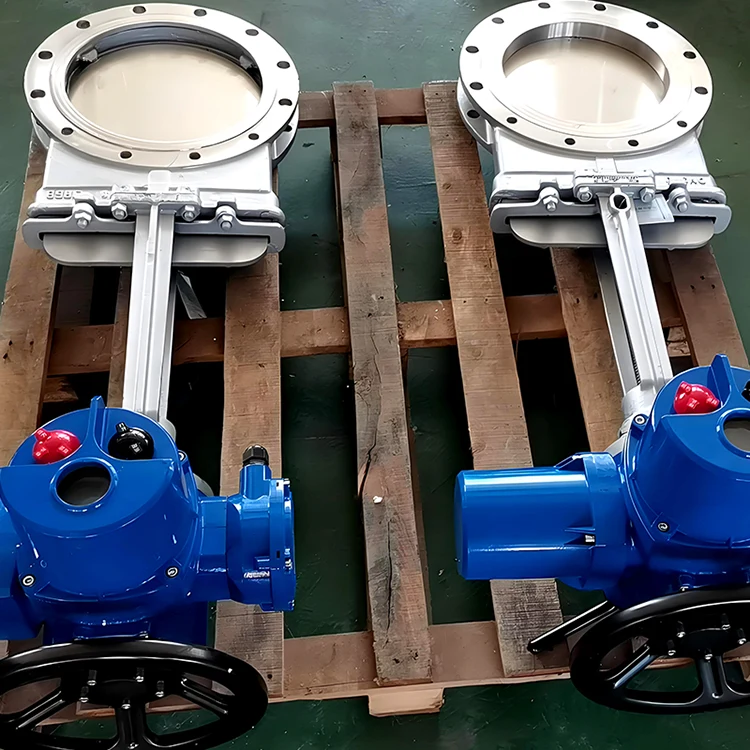
1. Valve Leaks Through the Seat (Passing)
Seat leakage is the most common complaint. The table below summarizes likely causes and corrective actions.
| Symptom | Likely Cause | Corrective Action |
|---|---|---|
| Leakage when fully closed | Debris trapped on seat face | Flush the line and cycle the valve several times |
| Persistent passing | Worn or scored seat/seal | Replace seat ring or resilient seal |
| Leak worsens over time | Corrosion or erosion damage | Inspect body and trim; upgrade material grade |
2. Stem Leakage
Packing gland leaks usually stem from loose packing, aged packing rings, or a scored stem. Tighten the gland nuts evenly in small increments; if leakage continues, replace the packing rings and inspect the stem for scoring. Jiangteng valves use accessible packing arrangements that simplify field maintenance.
3. Hard to Operate or Seized Handwheel
Difficulty operating a Stainless Steel Slide Gate Valve typically points to a bent stem, dried-out packing, debris in the stem threads, or inadequate lubrication. Check stem straightness, clean and lubricate the threads, and confirm the valve is not being operated against excessive differential pressure.
4. Gate Does Not Fully Open or Close
Partial travel often results from an obstruction in the seat area, a damaged gate guide, or incorrect actuator limit settings on automated units. Inspect the bore, clear debris, and recalibrate actuator travel limits.
5. External Corrosion or Body Damage
Although stainless steel resists corrosion, chloride-rich environments can still cause pitting. Verify the material grade suits the service conditions, rinse external surfaces regularly, and repair minor damage promptly to prevent escalation.
6. Erratic Actuator Performance
For actuated valves, check air supply pressure, solenoid function, and position feedback. A Stainless Steel Slide Gate Valve paired with a correctly sized actuator should stroke smoothly and repeatably.
Frequently Asked Questions
Q: How often should a Stainless Steel Slide Gate Valve be inspected?
A: Inspect at least every six months, and quarterly in demanding services such as slurries or high-cycle isolation duty; check packing, seat tightness, stem condition, and actuator response at each interval.
Q: What causes a Stainless Steel Slide Gate Valve to leak through the seat?
A: Debris on the seat face, worn or scored seat rings, corrosion damage, or incomplete closure from obstruction are the main causes; flush and cycle the valve first, then replace seats if leakage persists.
Q: Can a Stainless Steel Slide Gate Valve be repaired in line?
A: Many maintenance tasks, including packing replacement and actuator servicing, can be done in line, while seat and gate repairs generally require isolation and partial disassembly; consult Jiangteng for service guidance specific to your model.
Contact us today to discuss your Stainless Steel Slide Gate Valve requirements, request technical support, or receive a tailored quotation from the Jiangteng team.