

How can you select the right low temperature gate valve for subzero industrial processes
2026-05-26
Selecting the right Low Temperature Gate Valves for subzero industrial processes is critical to ensure safety, operational continuity, and equipment longevity. Whether your facility handles LNG, liquid nitrogen, or cold chemical media, the choice of Low Temperature Gate Valves directly impacts leakage prevention and material integrity. At Hanno, we specialize in engineering cryogenic valve solutions that meet the toughest environmental and mechanical demands.
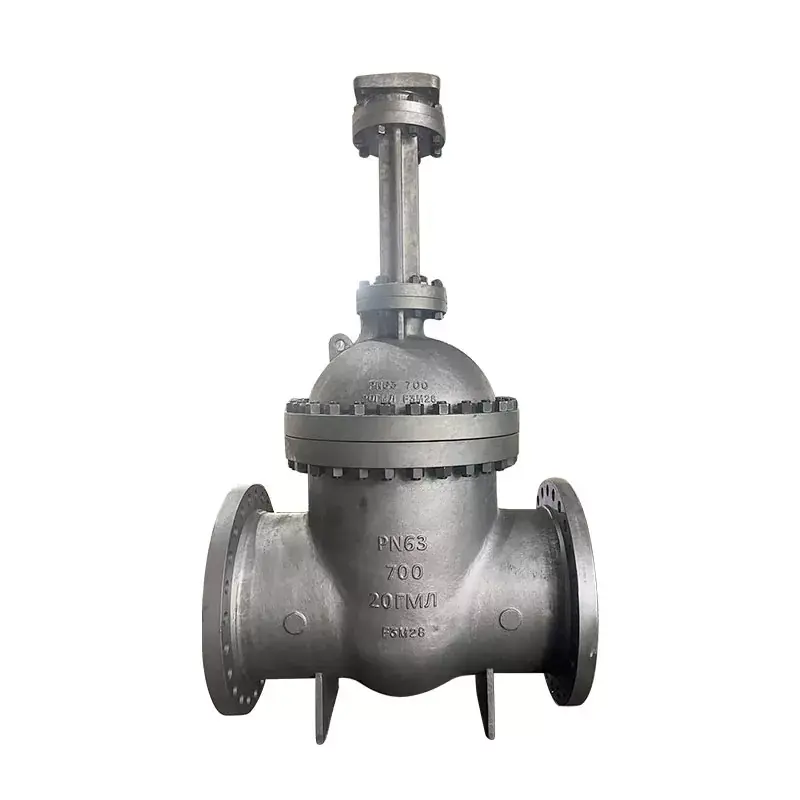
Key selection criteria for Low Temperature Gate Valves
To make an informed decision, engineers must evaluate several technical parameters. The table below outlines the most decisive factors when selecting Low Temperature Gate Valves for subzero applications.
| Selection Parameter | Why It Matters for Subzero Processes | Typical Requirement |
|---|---|---|
| Material toughness | Prevents brittle fracture at cryogenic temperatures | Impact-tested austenitic stainless steel (CF8M, CF3M) |
| Bonnet extension length | Protects stem packing from ice formation | Extended bonnet ≥ 150 mm for –196°C |
| Seat and disc sealing | Maintains zero leakage under thermal contraction | Metal-to-metal or PTFE with cryogenic certification |
| Packing material | Avoids cold flow and fugitive emissions | Graphite or live-loaded PTFE |
| Test standard compliance | Verifies performance in real cold conditions | BS 6364, API 624, or ISO 28921-1 |
Engineering considerations for reliable operation
Beyond material selection, the design of Low Temperature Gate Valves must accommodate thermal cycling. Standard gate valves often seize or leak when subjected to sudden temperature drops from ambient to –196°C. Hanno incorporates extended bonnets and drip plates to shield the upper stem and gland packing from direct cold exposure. Additionally, pressure-containing parts must undergo Charpy impact testing at the intended service temperature—a non-negotiable step that Hanno rigorously performs on every cryogenic valve.
Frequently Asked Questions about Low Temperature Gate Valves
What is the minimum temperature rating for industrial Low Temperature Gate Valves
Most industrial Low Temperature Gate Valves are rated for service down to –196°C (–320°F), suitable for LNG and liquid nitrogen. Special designs can reach –254°C for liquid hydrogen applications. The limiting factor is the material’s ductile-to-brittle transition temperature. Hanno valves are impact-tested at –196°C to verify mechanical properties remain intact.
How does the bonnet extension length affect the performance of Low Temperature Gate Valves
The bonnet extension ensures that the stem packing and actuator are kept away from the cold zone. Without sufficient extension, moisture in the packing freezes, leading to stem binding and leakage. For subzero processes, a bonnet extension of at least 150 mm is standard, while Hanno offers custom lengths up to 300 mm for ultra-low temperatures, preserving smooth rotation and sealing.
Can Low Temperature Gate Valves be used for both on-off and throttling service in cryogenic lines
Low Temperature Gate Valves are primarily designed for isolation (full open or fully closed). Using them for throttling at subzero temperatures accelerates seat erosion and may cause partial freezing around the disc. For modulating control in cryogenic lines, Hanno recommends dedicated globe or control valves. Gate valves should be reserved for block-stop duties where tight shut-off is essential.
Why Hanno stands out in the cryogenic valve industry
Hanno designs each Low Temperature Gate Valve with 100% cryogenic testing before shipment. Our valves comply with BS 6364 and ISO 28921-1, and every unit includes a certified material test report. By combining extended bonnets, impact-tested stainless steel bodies, and live-loaded packing, Hanno ensures zero stem leakage and smooth operation even after hundreds of thermal cycles.
Take action for your subzero process safety
Selecting the wrong Low Temperature Gate Valve leads to unplanned downtime, hazardous leaks, and costly repairs. For a detailed specification review or to request a quote for your specific subzero operating conditions, contact Hanno today to speak with a cryogenic valve engineer.